The Value of Custom Packaging
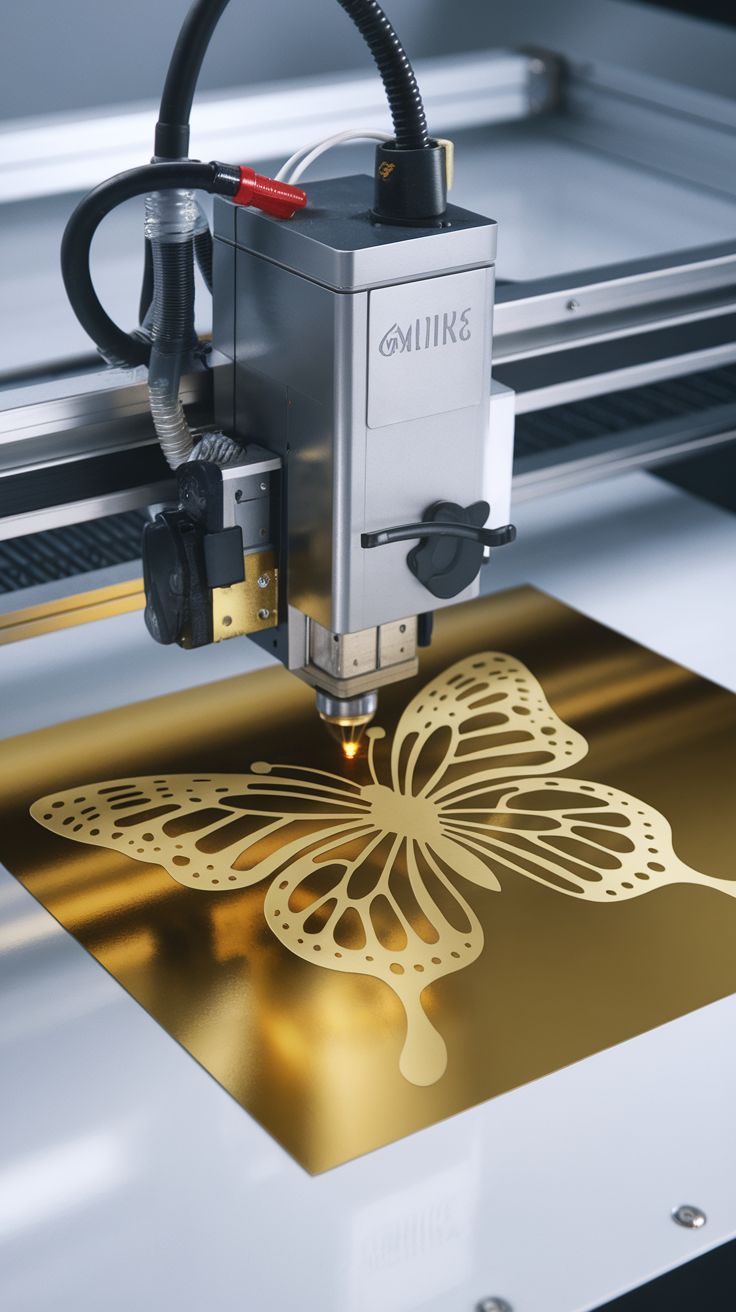
Packaging serves functional purposes—protection, containment, information—but also communicates brand value and creates unboxing experiences. Custom packaging differentiates products, justifies premium pricing, and creates memorable customer interactions. Laser cutting enables economical production of custom packaging in quantities ranging from single pieces to thousands, without tooling costs that make traditional custom packaging prohibitive for small runs.
The unboxing experience has become critical in e-commerce and gift markets. Packaging that reveals products dramatically, protects elegantly, and presents beautifully creates shareable moments and brand loyalty. Laser cutting enables intricate cutouts, precise fits, and decorative elements that elevate packaging from commodity to experience. This capability particularly benefits luxury goods, artisan products, and subscription boxes where presentation matters.
Sustainability pressures influence packaging design. Custom packaging optimized for product dimensions reduces material waste and shipping volume. Laser cutting enables precise sizing without standard box constraints. Material selection includes recyclable, biodegradable, and renewable options. These sustainability attributes appeal to environmentally conscious consumers and meet corporate responsibility goals.
Packaging Types and Applications
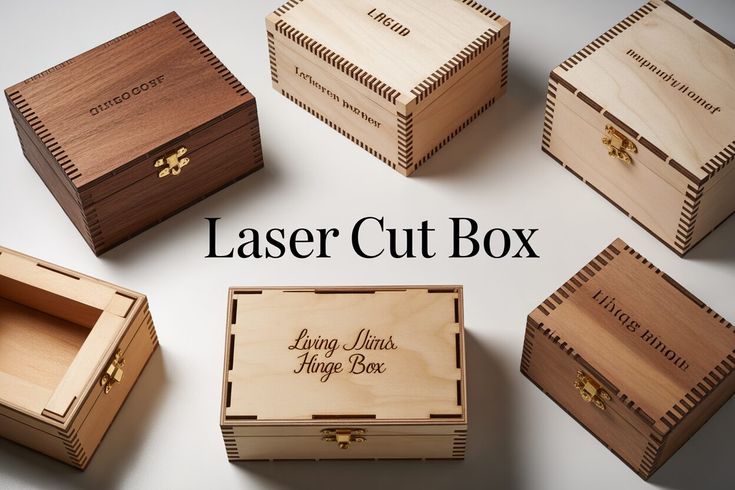
Presentation boxes showcase individual products with premium presentation. Rigid boxes with laser-cut inserts hold products securely while displaying elegantly. Materials range from paperboard to wood to acrylic depending on brand positioning. Lids may feature laser-cut windows, logos, or decorative patterns. These boxes serve retail, gifts, and luxury goods.
Shipping boxes optimized for specific products reduce damage and dimensional weight charges. Laser cutting creates custom dimensions fitting products precisely, eliminating void fill and reducing box volume. Internal structures laser-cut from corrugated or foam protect products during transit. These optimizations reduce shipping costs and environmental impact while improving protection.
Display packaging combines protection with point-of-sale presentation. Laser-cut stands, hangers, and display features integrate with packaging for retail effectiveness. Materials balance durability for handling with appearance for merchandising. These packages reduce retail preparation requirements and improve shelf presence.
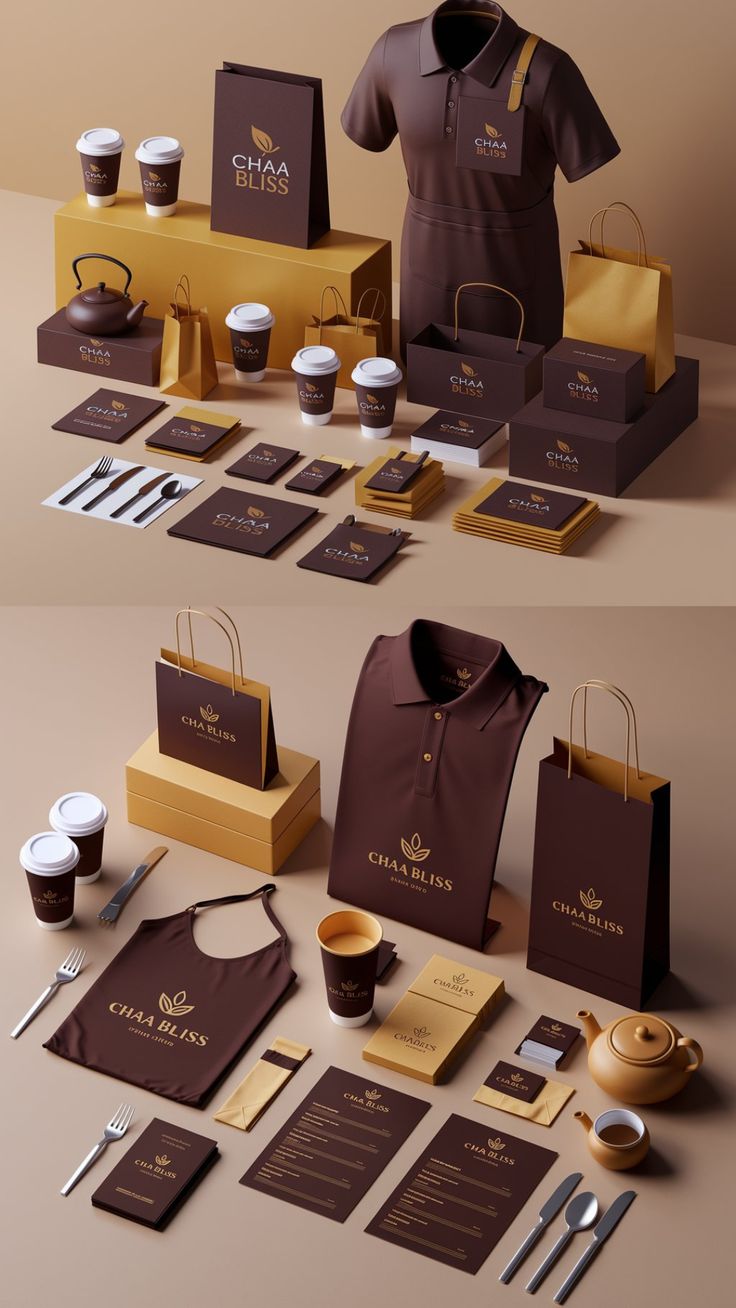
Promotional and gift packaging creates memorable brand interactions. Limited editions, holiday packaging, and corporate gifts utilize custom designs impossible with standard packaging. Laser cutting enables personalization—names, dates, or messages—adding value through customization. These special packages support marketing campaigns and relationship building.
| Packaging Type | Materials | Construction | Applications |
|---|---|---|---|
| Rigid Boxes | Paperboard, MDF, Acrylic | Folded or assembled walls | Luxury goods, gifts, retail |
| Folding Cartons | Cardstock, corrugated | Die-cut/ laser-cut, folded | Consumer goods, shipping |
| Inserts/Trays | Foam, cardboard, wood | Laser-cut cavities | Product protection, presentation |
| Display Boxes | Clear acrylic, mixed | Structural with windows | Retail presentation, collectibles |
| Sleeves/Wraps | Paper, cardstock, wood | Laser-cut patterns | Outer decoration, information |
| Specialty Shapes | Various | Custom geometries | Unique products, brand expression |
Material Selection for Packaging
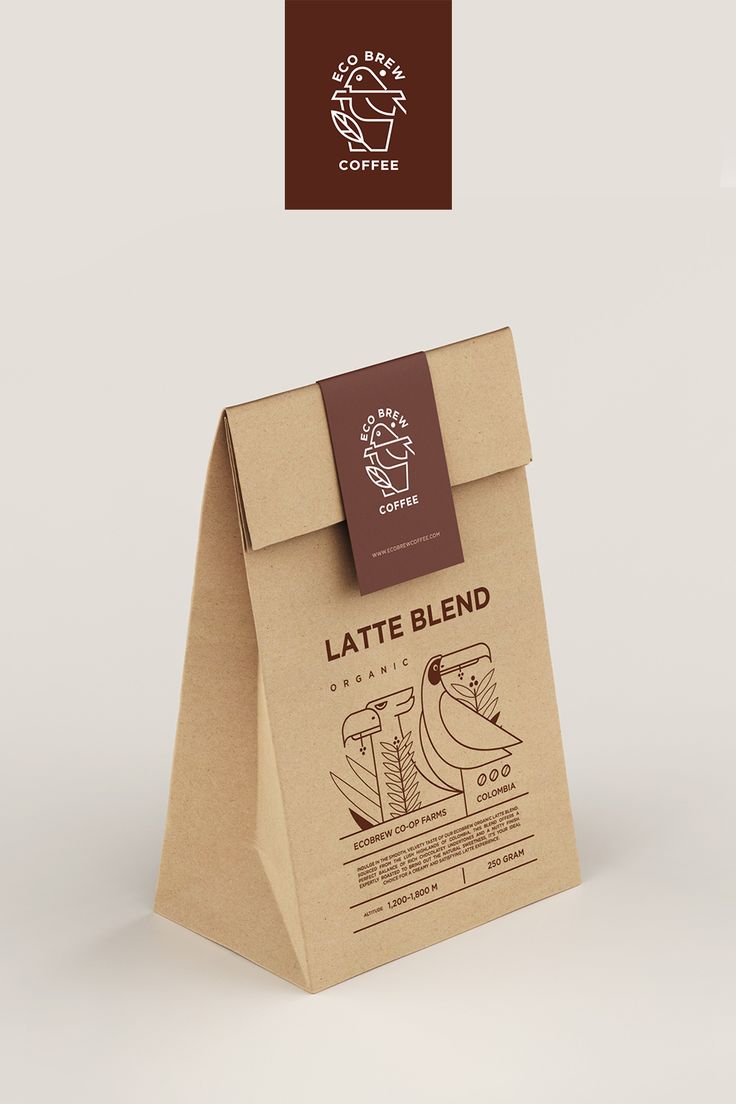
Paper and cardstock provide economical, printable substrates for folding cartons and sleeves. Laser cutting creates windows, handles, and decorative features in these materials. Various weights and finishes (matte, gloss, textured) suit different applications. Coatings protect and enhance appearance. These materials recycle easily supporting sustainability.
Corrugated cardboard offers structural protection for shipping applications. Laser cutting creates custom box dimensions, internal partitions, and protective structures. Single-wall through triple-wall grades provide protection levels matching product fragility and weight. Printability allows branding on shipping boxes. Recyclability and renewable sourcing appeal to sustainability goals.
Wood and MDF create premium rigid boxes and inserts. Laser cutting precision enables intricate joinery and decorative elements. Finishes range from natural oils through painted colors. These materials suit high-value products where packaging substantiates price positioning. Weight and cost limit applications but create distinctive presence.
Acrylic provides clear or colored transparent packaging for display purposes. Product visibility combined with protection suits collectibles, electronics, and cosmetics. Laser cutting creates precise dimensions and polished edges. Higher cost than other materials limits applications to premium positioning.
Foam materials (EVA, polyurethane, polyethylene) provide protective cushioning laser-cut to product contours. Custom cavities hold products securely preventing movement damage. Layered foam constructions protect complex shapes. These materials may be laminated with fabric or other surfaces for presentation quality.
Design for Packaging
Structural design ensures protection and functionality. Compression strength for stacking; burst strength for handling; dimensional stability for storage. Laser cutting creates structural features—flaps, locks, reinforcements—that assemble into robust containers. Testing validates structural performance before production.
Fit and tolerance critical for packaging function. Products must fit securely without force that could cause damage or loose fit allowing movement. Laser kerf and material thickness affect internal dimensions; design must compensate. Prototype testing with actual products verifies fit before cutting production quantities.
Assembly efficiency affects packaging economics. Designs that fold quickly without adhesive or complex fastening reduce labor costs. Laser scoring (partial-depth cutting) creates fold lines in rigid materials. Interlocking features eliminate fasteners. These design choices balance assembly speed with structural integrity.
Graphics integration combines laser cutting with printing. Laser-cut windows reveal products or printed materials behind; laser engraving adds texture and information; cut shapes create silhouette effects. These techniques coordinate with printed graphics for cohesive packaging design. Registration between cutting and printing requires precision.
Production Considerations
Nesting efficiency affects material cost significantly. Packaging often involves multiple parts (box, lid, insert) that nest together on material sheets. Laser cutting software optimizes nesting, but design characteristics affect efficiency. Standard material sizes (1220×2440mm) inform optimal packaging dimensions.
Quantity economics balance setup costs against unit costs. Laser cutting setup (file preparation, material loading) represents fixed cost per job; cutting time represents variable cost. Small quantities have high per-unit costs; quantities above 100-500 units achieve reasonable economics. Very large quantities may justify die cutting despite tooling costs.
Finishing requirements complete packaging appearance. Folding and creasing (by hand or machine); adhesive application; assembly; insertion of products. These labor-intensive processes may exceed cutting costs. Design for efficient finishing improves total economics. Some providers offer complete fulfillment services.
Luna Graphics provides custom packaging solutions from design through production for Kenyan brands. Our laser cutting capabilities enable economical custom packaging without tooling investment, while our understanding of packaging function ensures protective, effective designs. Whether you need premium presentation boxes, optimized shipping packaging, or promotional gift boxes, contact us to discuss bespoke packaging solutions.
Written by Ian Love
Marketing Director
Professional contributor at Luna Graphics specializing in printing and branding solutions.