
The Critical Role of Packaging for SME Success
For Kenyan small and medium enterprises (SMEs), branded packaging represents critical touchpoint influencing customer perception, product protection, and brand memorability. In competitive markets where product differentiation challenges resource-constrained businesses, packaging provides tangible quality signal and brand experience differentiating professional operations from informal competitors. For e-commerce and retail SMEs, packaging may be the only physical brand interaction, making its impact disproportionate to cost.
However, SME packaging must balance professional aspiration with budget reality—investing sufficiently to achieve quality perception without excessive expenditure draining limited resources. Strategic packaging prioritizes high-impact elements, leverages scalable solutions, and phases sophistication with business growth.
Packaging Hierarchy and Prioritization
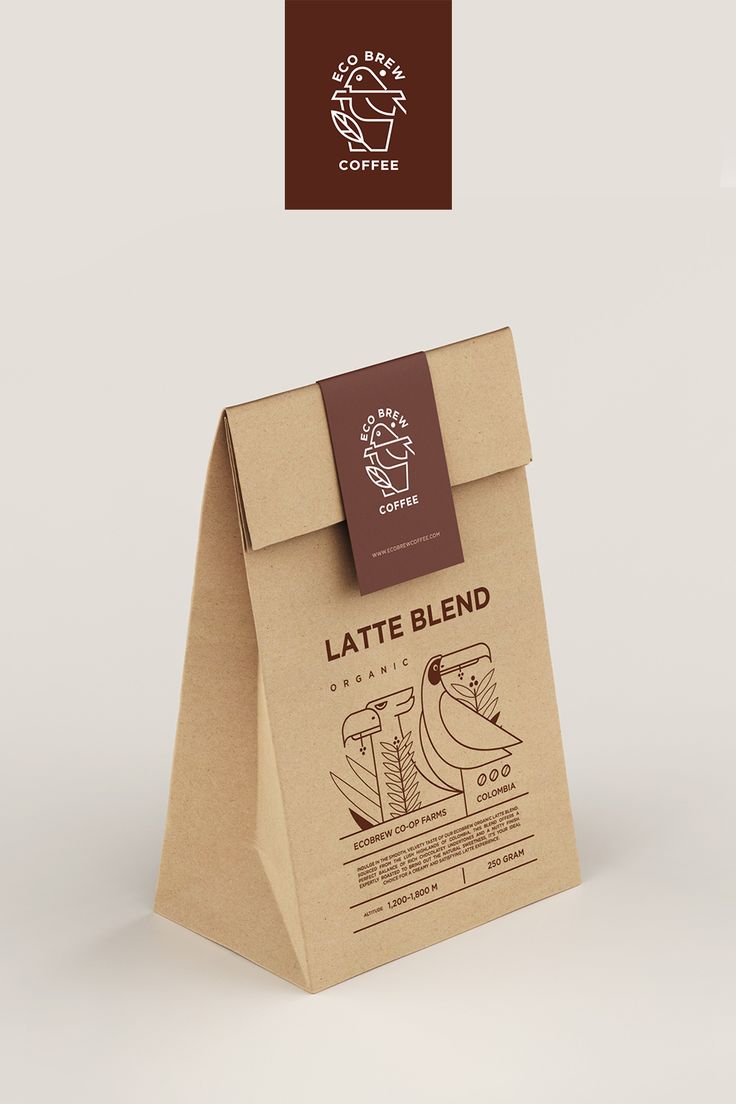
SME packaging strategy should prioritize touchpoints by impact: primary packaging (product container) essential for protection and first impression; secondary packaging (boxes, bags) for transport and presentation; and tertiary packaging (shipping materials) for e-commerce fulfillment. For resource-constrained SMEs, primary packaging warrants maximum investment as immediate customer touchpoint.
For Kenyan product businesses, packaging hierarchy should address: shelf presence for retail; unboxing experience for direct and e-commerce; and protection for product integrity. Luna Graphics provides packaging consultation optimizing investment across hierarchy levels.
| Packaging Level | Function | SME Priorities | Cost Optimization |
|---|---|---|---|
| Primary | Product containment, first impression | Quality materials, clear branding, functionality | Standard sizes, efficient quantities, local sourcing |
| Secondary | Presentation, protection, information | Brand experience, practical utility, recognition | Modular systems, multi-use design, scalable printing |
| Tertiary | Shipping, protection, cost efficiency | Damage prevention, brand presence, sustainability | Standardized sizes, bulk materials, minimal branding |
| Labels/tags | Information, branding, compliance | Professional appearance, legal requirements, story | Digital printing, efficient sizes, batch production |
| Inserts | Experience, information, engagement | Thank you, instructions, social media, offers | Digital print, template design, variable content |
Design Strategy for Maximum Impact
SME packaging design should maximize impact within constraints: bold, simple graphics visible at small scale or distance; color consistency with brand identity; clear information hierarchy; and memorable unboxing experience encouraging social sharing. For Kenyan SMEs, authentic local elements can differentiate from generic international aesthetics.
Design should anticipate production methods—digital printing enabling short runs and versioning; flexography for volume efficiency; and labels providing flexibility for evolving product lines. Professional design investment prevents costly production errors and maximizes limited material impact.
Material Selection and Sustainability
SME packaging materials balance cost, protection, and presentation: cardboard and paper providing economical, printable, recyclable options; plastics offering durability and clarity; and emerging sustainable materials aligning with environmental values. For Kenyan SMEs, local material sourcing reduces cost and supports domestic economy.
Sustainability considerations increasingly influence packaging—minimal material use, recyclability, and biodegradability responding to consumer environmental concern. For SMEs, sustainable packaging can differentiate and justify premium positioning.
Scalable Solutions and Growth Accommodation
SME packaging should accommodate growth without complete redesign: modular systems enabling product line extension; print templates allowing versioning; and standard sizes reducing inventory complexity. For growing Kenyan businesses, packaging scalability prevents costly redesign at critical growth moments.
Digital printing technologies enable economical short runs for market testing and seasonal variations, scaling to flexographic efficiency as volumes justify. Luna Graphics provides scalable packaging solutions growing with SME clients.
E-Commerce and Shipping Optimization
For Kenyan e-commerce SMEs, packaging must optimize for shipping: right-sizing reducing material and transport cost; protection ensuring arrival condition; unboxing experience generating social sharing; and return facilitation supporting customer service. Branded shipping materials extend presence through delivery chain.
Shipping cost optimization through packaging efficiency directly impacts SME profitability and competitive pricing capability.
Local Production and Supply Chain
Kenyan SME packaging benefits from local production reducing lead times, minimum order quantities, and import complexity. Local packaging converters, label printers, and material suppliers enable responsive, economical solutions appropriate to SME scale and cash flow.
Luna Graphics provides Kenyan SME packaging services leveraging local production capabilities with professional design and quality standards.
Conclusion: Packaging as SME Growth Enabler
Strategic branded packaging, appropriately invested, elevates SME professional perception, protects product quality, and builds brand recognition supporting growth. For Kenyan small businesses competing against larger competitors, packaging provides accessible differentiation and quality demonstration.
Luna Graphics provides SME-focused packaging services balancing professional quality with budget consciousness. Our scalable solutions grow with your business. Contact our packaging team to discuss professional presentation strategies for your products.
Written by Ian Love
Marketing Director
Professional contributor at Luna Graphics specializing in printing and branding solutions.