
The Evolution of Workplace Signage
Interior office signage has evolved from purely functional identification into strategic tools supporting employee experience, organizational culture, and brand expression in contemporary workplaces. For Kenyan offices adapting to hybrid work models, generational workforce changes, and competitive talent markets, signage plays crucial roles in wayfinding efficiency, space utilization, and workplace attraction. Current trends emphasize flexibility, employee wellbeing, sustainability, and brand authenticity reflecting broader workplace evolution.
The post-pandemic office emphasizes signage supporting health and safety, flexible space configuration, and connection for distributed teams. These functional requirements merge with aesthetic trends toward minimalism, biophilic design, and human-centered spaces creating signage that is simultaneously useful and beautiful.
Minimalist and Integrated Design
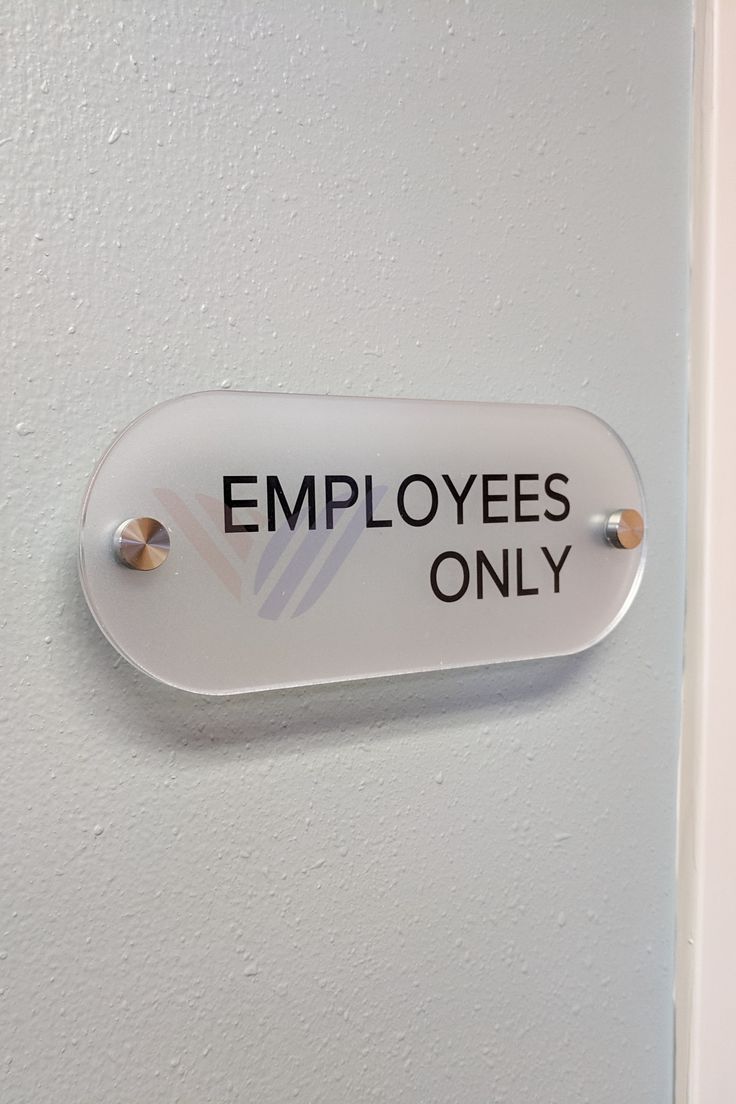
Contemporary office signage trends toward visual minimalism—clean lines, restrained color, generous negative space, and integration with architecture rather than applied decoration. This approach reduces visual clutter in information-rich environments while suggesting organizational sophistication and confidence. For Kenyan corporate offices seeking international standards, minimalist signage signals global professionalism.
Integration with architecture includes recessed mounting, material continuity with surrounding surfaces, and lighting integration eliminating visible hardware. Signs become architectural elements rather than applied graphics, requiring close coordination with interior design and construction.
| Trend | Characteristics | Applications | Benefits |
|---|---|---|---|
| Minimalist design | Clean, simple, reduced elements | Wayfinding, room ID, corporate environments | Sophistication, clarity, timelessness |
| Biophilic/nature | Organic forms, natural materials, plant integration | Wellness-focused offices, creative spaces | Wellbeing, connection, stress reduction |
| Digital hybrid | Screens, sensors, dynamic content | Agile workplaces, visitor management | Flexibility, real-time info, data integration |
| Cultural expression | Values, history, local context | Corporate HQs, regional offices | Engagement, identity, differentiation |
| Sustainable materials | Recycled, renewable, low-impact | ESG-committed organizations | Values alignment, employee pride |
| Universal design | Accessibility, inclusivity, multi-sensory | All contemporary workplaces | Compliance, inclusion, better for all |
| Agile/flexible | Modular, changeable, system-based | Dynamic organizations, co-working | Adaptability, cost efficiency, responsiveness |
Wayfinding for Agile and Hybrid Workplaces
Hybrid work models and agile office design challenge traditional wayfinding assumptions of fixed assignments and predictable occupancy. Contemporary office signage must accommodate hot-desking, neighborhood seating, bookable rooms, and dynamic team configurations. Digital wayfinding with real-time space availability, mobile app integration, and sensor-based occupancy indication supports flexible work patterns.
For Kenyan offices implementing hybrid models, wayfinding systems should guide both regular employees and occasional visitors through unfamiliar configurations. Clear neighborhood identification, technology-enabled space finding, and intuitive visual logic reduce friction in dynamic environments.
Culture and Values Expression
Beyond functional wayfinding, office signage increasingly expresses organizational culture, values, and history creating emotional connection and employee engagement. Values walls, heritage timelines, achievement recognition, and mission statements transform utilitarian spaces into meaningful environments. For Kenyan companies building employer brand and employee loyalty, cultural signage investments yield engagement returns.
Local context integration—including Kenyan cultural references, community connections, or location-specific elements—creates authentic workplace identity distinct from generic corporate environments. Luna Graphics provides cultural signage design reflecting organizational uniqueness.
Biophilic and Wellness-Focused Design
Biophilic design incorporating natural elements, organic forms, and nature references supports employee wellness and cognitive function. Signage contributes through material selection (wood, stone, plant integration), organic shapes, and nature imagery. For Kenyan offices, local landscape references create connection and calm.
Wellness-focused signage includes air quality indication, ergonomic reminders, stair encouragement for physical activity, and mental health resource identification. These applications demonstrate organizational care for employee wellbeing beyond mere compliance.
Sustainability and Material Innovation
Sustainable signage materials including recycled substrates, renewable resources, low-VOC finishes, and end-of-life recyclability align with organizational environmental commitments. For Kenyan companies with ESG objectives or international sustainability standards, signage material selection demonstrates values authenticity.
Material innovation extends to living signage with integrated plants, reclaimed materials with unique character, and bio-based substrates reducing environmental impact. These approaches create distinctive appearance while supporting sustainability narratives.
Digital Integration and Smart Workplaces
Digital signage integration enables dynamic capabilities supporting smart workplace functions: room booking displays showing availability and enabling reservation; visitor management systems with digital check-in and wayfinding; environmental sensors with air quality and comfort indication; and corporate communication with news, recognition, and culture content.
For Kenyan offices with technology infrastructure, digital-physical hybrid signage provides flexibility impossible with static systems. However, digital requires maintenance, content management, and backup systems ensuring reliability.
Universal Design and Inclusion
Contemporary office signage embraces universal design principles ensuring accessibility for diverse abilities, languages, and neurotypes. Tactile and Braille elements, high contrast and large format options, clear language and iconography, and sensory-friendly design create inclusive environments. For Kenyan workplaces with diverse workforces, inclusive signage supports equity and legal compliance.
Universal design benefits extend beyond specific accommodations to improve usability for all employees—clearer wayfinding, better lighting, and intuitive layouts serve everyone regardless of individual needs.
Implementation and Change Management
Office signage implementation requires coordination with workplace strategy, interior design, and organizational change management. Signage should support rather than dictate spatial behavior, with flexibility for evolving work patterns. Employee involvement in signage planning builds ownership and ensures utility.
For Kenyan organizations undergoing workplace transformation, signage implementation timing should align with change communication and space launch, with temporary solutions bridging transition periods.
Conclusion: Signage for Contemporary Workplaces
Interior office signage trends reflect broader workplace evolution toward flexibility, employee experience, sustainability, and authentic culture. For Kenyan organizations competing for talent and optimizing productivity, contemporary signage investments support strategic workplace objectives beyond mere identification.
Luna Graphics provides modern office signage services from strategy and design through implementation and ongoing management. Our workplace expertise ensures signage solutions supporting contemporary work models and organizational culture. Contact our workplace specialists to discuss your office signage requirements and discover how current trends can enhance your work environment.
Written by Ian Love
Marketing Director
Professional contributor at Luna Graphics specializing in printing and branding solutions.