
The Visibility Advantage of Illumination
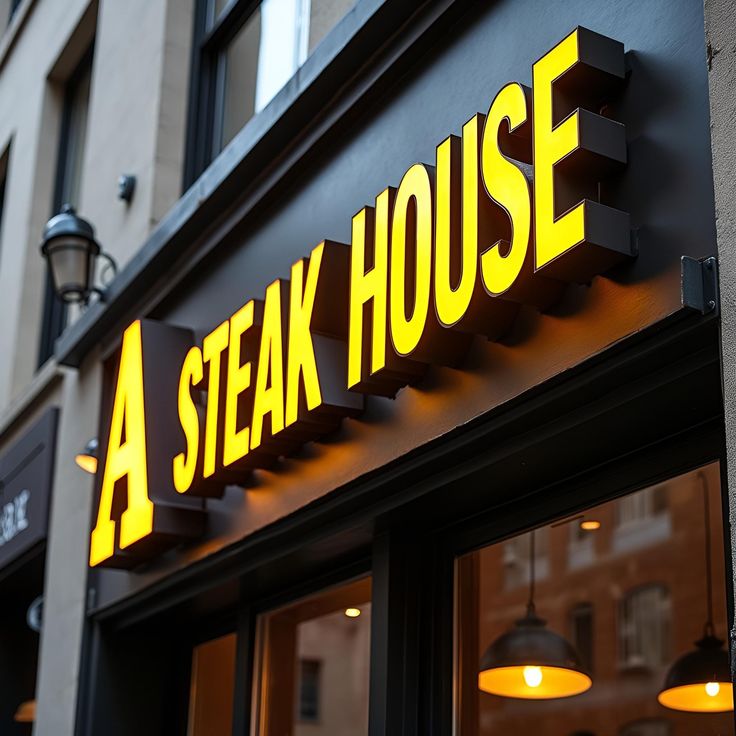
Illuminated signage extends brand visibility into evening and early morning hours when significant commercial and social activity continues in Kenyan urban centers. For businesses targeting customers outside standard daylight hours—restaurants, entertainment venues, service stations, healthcare facilities—illumination is essential rather than optional. Even for daytime-focused businesses, illuminated signage creates distinctive presence and ensures visibility during overcast weather or shaded locations.
However, illumination requires substantial additional investment in equipment, energy consumption, and maintenance compared to non-illuminated alternatives. Strategic selection based on business hours, location characteristics, competitive environment, and budget constraints optimizes signage return on investment.
Illumination Technologies and Efficiency
LED technology has revolutionized signage illumination, providing energy-efficient, long-lasting, and design-flexible solutions replacing legacy neon and fluorescent systems. LED illuminated signage consumes 60-80% less electricity than neon equivalents, with 50,000+ hour lifespans reducing maintenance requirements. For Kenyan businesses facing electricity cost pressures or generator dependence, LED efficiency provides compelling economics.
Solar-powered illumination enables off-grid operation for remote locations or sustainability positioning, with photovoltaic panels charging batteries powering LED systems through nighttime hours. This technology is particularly relevant for Kenyan applications with unreliable grid power or environmental commitments.
| Comparison Factor | Illuminated Signage | Non-Illuminated Signage | Strategic Implications |
|---|---|---|---|
| Initial investment | Higher (2-4x non-illuminated) | Lower | Budget allocation, financing considerations |
| Operating cost | Electricity, maintenance | Minimal | Long-term budgeting, energy efficiency priority |
| Visibility hours | 24 hours | Daylight dependent | Business hours alignment, location lighting |
| Maintenance | Electrical service, component replacement | Cleaning, structural | Technical capability, service access |
| Impact/differentiation | High, especially at night | Moderate, daylight only | Competitive environment, brand positioning |
| Flexibility | Dynamic options (digital, color change) | Static | Messaging needs, brand evolution |
| Regulatory | Electrical codes, light pollution | Generally simpler | Permitting complexity, compliance cost |
When Illumination is Essential
Illumination investment is essential for: businesses operating evening hours (restaurants, entertainment, retail); high-competition environments requiring differentiation; locations with poor natural lighting or heavy shading; highway or major road visibility where nighttime traffic is significant; and brand positioning requiring premium presence. For Nairobi businesses on major corridors like Mombasa Road or in 24-hour districts like Westlands, non-illuminated signage misses substantial audience exposure.
Emergency services, healthcare facilities, and safety-critical applications require illuminated identification for urgent location. Security considerations may favor illumination deterring criminal activity through visibility.
When Non-Illuminated Suffices
Non-illuminated signage provides adequate visibility for: businesses with strictly daytime operations (professional offices, certain retail); locations with excellent natural lighting and short evening relevance; budget-constrained applications where basic identification suffices; heritage or design contexts where illumination would be inappropriate; and temporary or short-term applications where illumination investment cannot be recovered.
For Kenyan businesses in well-lit urban centers with minimal nighttime activity, non-illuminated signage with quality materials and design may provide sufficient visibility at substantially lower life-cycle cost.
Hybrid and Strategic Approaches
Many applications benefit from hybrid approaches: primary identification illuminated with secondary information non-illuminated; illumination on key facades only; or solar-powered accent lighting supplementing main non-illuminated signage. These approaches balance visibility impact with cost management.
Programmable or sensor-controlled illumination enabling operation only when needed—business hours, motion-activated, or dusk-to-dawn—optimizes energy consumption while maintaining visibility benefit.
Energy and Sustainability Considerations
Illuminated signage energy consumption, while reduced by LED technology, remains significant for large installations or 24-hour operation. Energy costs should be factored into total cost of ownership calculations. For Kenyan businesses with sustainability commitments, illuminated signage may conflict with environmental objectives unless solar-powered or offset.
Non-illuminated signage generally offers superior environmental profile through zero energy consumption and simpler material composition, though lifecycle assessment should consider material durability and replacement frequency.
Maintenance and Reliability Factors
Illuminated signage requires electrical maintenance including LED/driver replacement, connection inspection, and cleaning ensuring light output. For Kenyan conditions with dust and potential power quality issues, electrical maintenance demands are significant. Backup power or surge protection may be necessary for reliability.
Non-illuminated signage maintenance is substantially simpler—primarily cleaning and structural inspection—reducing ongoing service requirements and costs. For remote locations or limited maintenance capability, non-illuminated reliability advantages are substantial.
Design Integration and Aesthetics
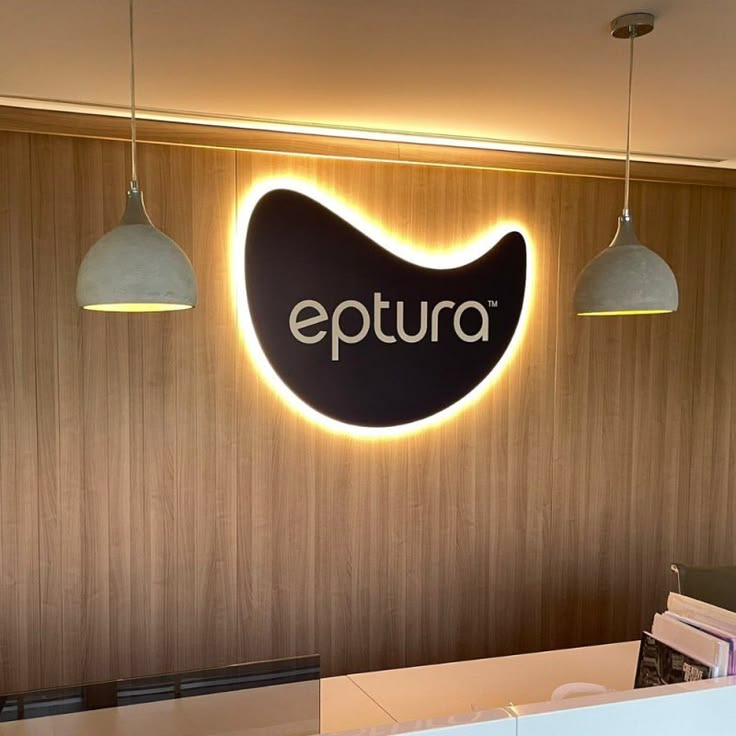
Illumination enables design possibilities impossible with non-illuminated signage—halo effects, color change, dynamic content, and dramatic nighttime transformation of building appearance. These capabilities support brand expression and environmental enhancement beyond mere visibility.
However, poorly designed illuminated signage creates light pollution, neighbor intrusion, or visual clutter degrading rather than enhancing environment. Professional design ensures illumination contributes positively to nighttime urban landscape.
Cost Analysis and Decision Framework
Total cost of ownership analysis—including initial investment, energy costs, maintenance, and replacement—often narrows apparent cost advantage of non-illuminated signage, particularly for high-visibility applications where illuminated impact generates revenue benefit. For each application, business case should quantify visibility value against illumination cost.
Luna Graphics provides cost-benefit analysis and strategic consultation supporting informed illuminated versus non-illuminated decisions based on specific business requirements and constraints.
Conclusion: Strategic Illumination Investment
The choice between illuminated and non-illuminated signage requires strategic analysis of business needs, location characteristics, competitive context, and budget parameters rather than defaulting to either option. For many Kenyan businesses, optimal solutions combine both approaches—illuminated primary identification with non-illuminated secondary elements—balancing impact and economy.
Luna Graphics provides both illuminated and non-illuminated signage capabilities, enabling objective comparison and optimal specification for specific requirements. Our consultation services ensure signage investment delivering maximum visibility and brand impact within budget constraints. Contact our specialists to discuss your illumination strategy and discover the optimal approach for your visibility needs.
Written by Ian Love
Marketing Director
Professional contributor at Luna Graphics specializing in printing and branding solutions.