Technological Trajectories
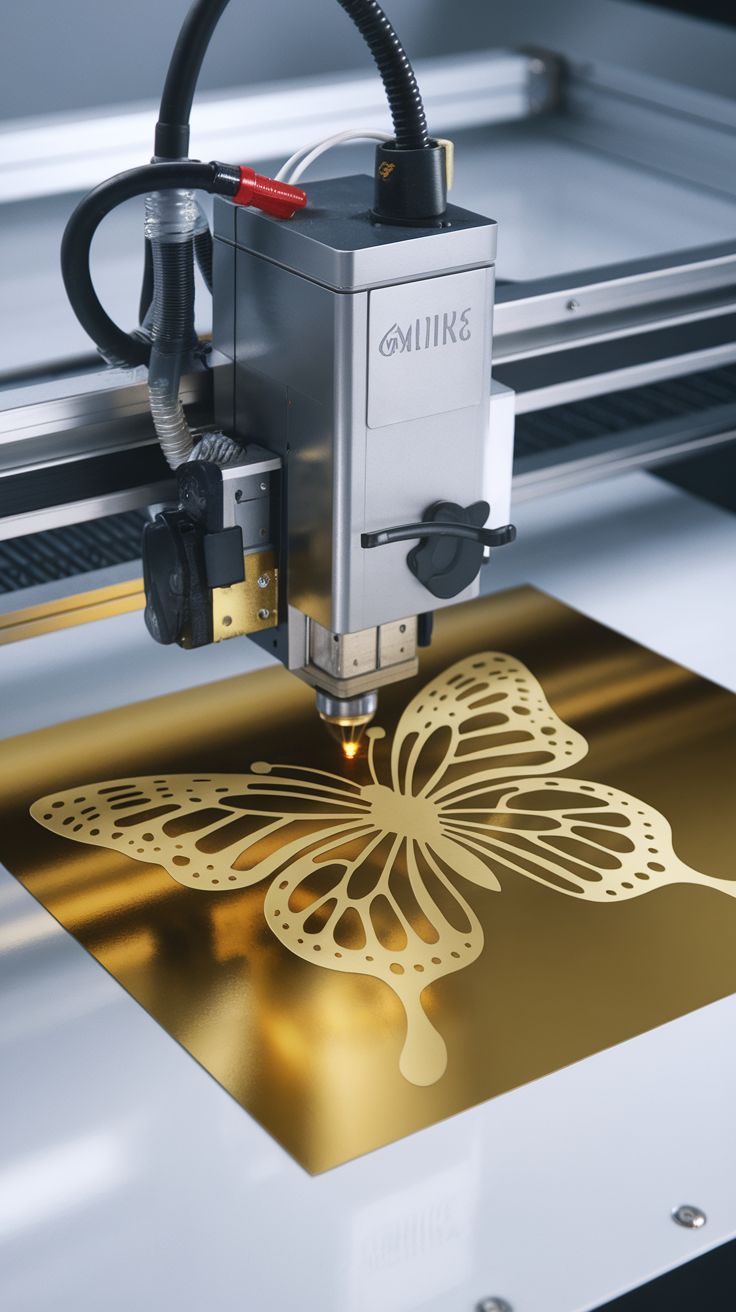
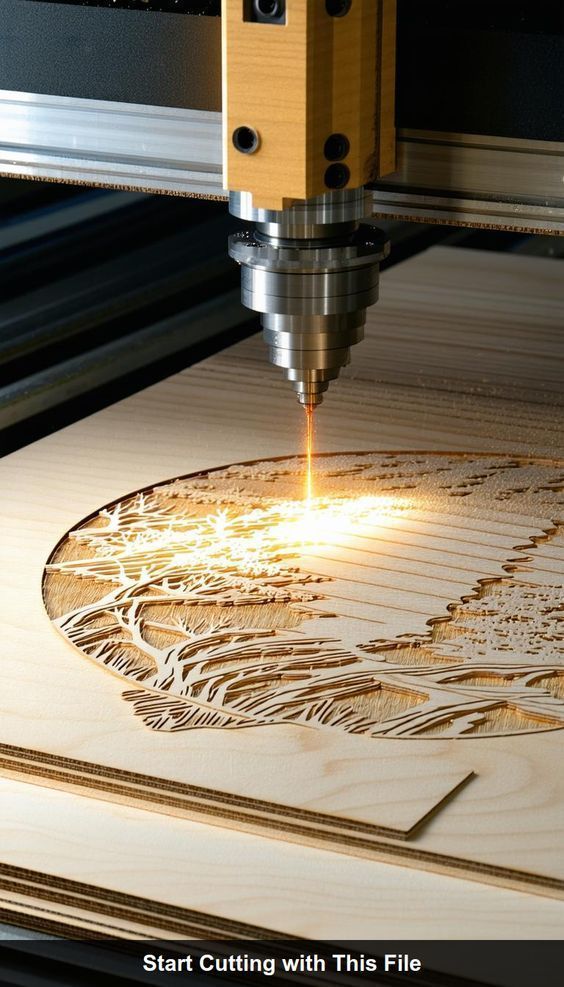
Laser cutting technology continues evolving with advances in laser sources, motion systems, and process control. These developments expand capabilities, improve economics, and enable new applications. Understanding emerging trends helps businesses prepare for future capabilities and market changes.
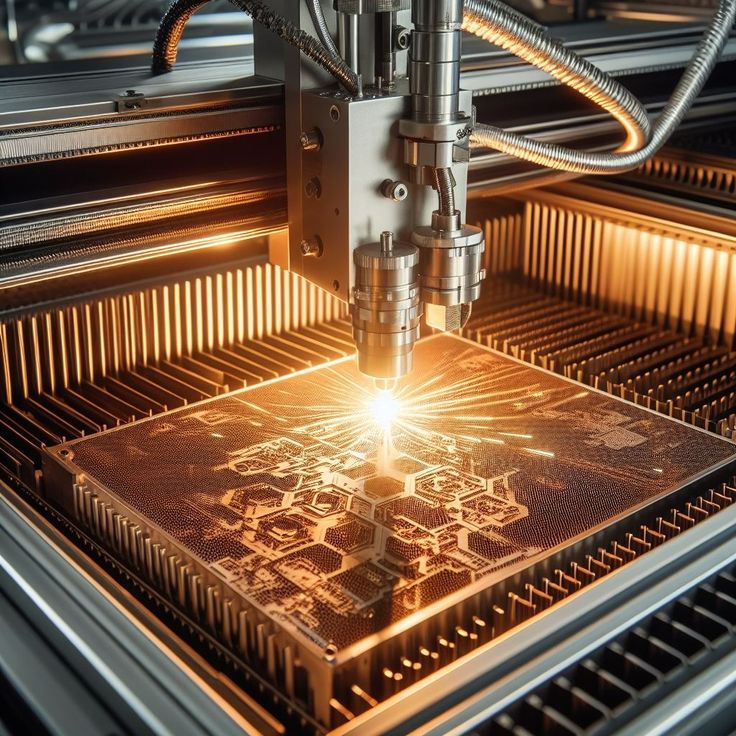
Laser source development focuses on efficiency and capability. Fiber laser technology advancing in power and beam quality; diode lasers emerging for specific applications; ultrafast lasers (picosecond, femtosecond) enabling precision processing with minimal heat effects. These sources will expand material capabilities and precision limits.
Motion and control systems improve speed and precision. Linear motor drives replacing ball screws for higher acceleration; advanced control algorithms optimizing cutting paths; real-time monitoring adjusting parameters. These advances increase throughput and consistency.
Automation integration reduces labor and increases flexibility. Robotic material handling; automated sorting and stacking; integration with ERP and MES systems; lights-out operation capability. These developments make laser cutting more competitive for production volumes.
Emerging Capabilities
3D laser cutting expands application range. Five-axis systems cutting complex three-dimensional parts; tube and profile cutting; robotic laser cutting cells. These capabilities challenge traditional machining and fabrication methods for complex components.
Additive-subtractive hybrid systems combine processes. Laser deposition adding material; laser cutting removing material; integrated in single system. These hybrids enable repair, feature addition, and complex geometry impossible with either process alone.
Ultrafast laser processing enables new precision levels. Cold ablation with minimal heat effects; processing of sensitive materials; micron-scale precision. These capabilities open medical, electronics, and precision engineering applications.
In-process monitoring and AI optimization improve quality. Real-time cut quality monitoring; automatic parameter adjustment; predictive maintenance; machine learning optimization. These intelligent systems reduce variation and improve reliability.
| Development | Current State | Future Direction | Impact |
|---|---|---|---|
| Laser power | 6-12kW fiber common | 20-50kW+ emerging | Thicker, faster cutting |
| Beam quality | Single mode, multi-mode | Beam shaping, dynamic | Better edge quality, control |
| Automation | Auto-feed, sorting | Full lights-out, AI | Labor reduction, 24/7 operation |
| 3D cutting | 5-axis, tube cutting | Robotic, complex forms | New application areas |
| Hybrid processes | Cutting + welding | Cutting + additive | New manufacturing paradigms |
| Software/AI | Nesting, CAM | Real-time optimization | Efficiency, quality gains |
Application Evolution
Microfabrication applications expand with precision improvements. Electronics; medical devices; MEMS; precision optics. These high-value applications justify advanced laser system investment. Kenyan market will follow global trends with delay.
Sustainable manufacturing practices integrate laser cutting. Material efficiency; energy optimization; recycling support; design for disassembly. Environmental pressures drive adoption of efficient, clean processes like laser cutting.
Mass customization becomes economically viable. Personalized products at mass production costs; on-demand manufacturing; distributed production. Laser cutting's flexibility enables these business models challenging traditional manufacturing.
Digital manufacturing integration connects laser cutting to broader systems. IoT connectivity; cloud-based optimization; digital twins; blockchain traceability. These integrations transform laser cutting from isolated process to connected manufacturing node.
Market and Industry Trends
Service model evolution from job shop to manufacturing partner. Design for manufacturing consultation; inventory management; quality systems; supply chain integration. Laser cutting services become strategic suppliers rather than commodity vendors.
Vertical specialization deepens expertise. Industry-specific knowledge (medical, aerospace, automotive); application expertise; regulatory compliance; certified quality systems. Generalists face pressure from specialized competitors.
Geographic expansion continues beyond traditional manufacturing centers. Regional service centers; on-site production; distributed manufacturing. Technology diffusion enables global capability with local presence.
Workforce development challenges require attention. Technical skills for advanced systems; programming and optimization; maintenance and troubleshooting; business management. Education and training investments essential for industry development.
Kenyan Market Outlook
Technology adoption will accelerate as market matures. Fiber laser metal cutting growth; automation integration; advanced software adoption. Kenyan market follows global patterns with 5-10 year lag typically.
Application expansion into new sectors. Beyond current signage and events into: manufacturing components; architectural production; product fabrication; medical devices. Economic development drives demand for precision fabrication.
Competitive dynamics intensify requiring differentiation. Technology investment; quality systems; specialization; value-added services. Commodity competition at low end; value creation at high end.
Sustainability positioning becomes market requirement. Environmental compliance; sustainable practices; circular economy participation. Market access may require sustainability credentials.
Luna Graphics invests continuously in technology and capability development positioning for future market evolution. We monitor global trends, adopt relevant advances, and develop expertise anticipating client future needs. Our commitment to innovation ensures we remain capable partners as laser cutting technology and applications advance. Contact us to discuss how emerging capabilities can serve your future fabrication requirements.
Written by Ian Love
Marketing Director
Professional contributor at Luna Graphics specializing in printing and branding solutions.