
The Fabric Revolution in Exhibition Graphics
Exhibition fabric printing has fundamentally transformed trade show environments over the past decade, with textile-based graphics displacing traditional rigid and vinyl materials across diverse applications. This shift reflects fabric's unique combination of visual sophistication, practical advantages, and sustainability credentials aligning with contemporary exhibition requirements. For Kenyan exhibition designers and marketers, understanding fabric printing capabilities and trends enables creation of distinctive booth environments with competitive advantages in weight, installation efficiency, and aesthetic quality.
The technical evolution of fabric printing—particularly dye-sublimation technology—has enabled photographic quality reproduction on textile substrates with durability and colorfastness matching or exceeding traditional materials. Simultaneously, hardware innovations in tensioning systems, framing, and illumination have solved early fabric installation challenges, enabling complex architectural forms and seamless large-scale graphics previously impossible. These technical foundations support current trends toward textile-dominant exhibition design.
Dye-Sublimation: The Premium Fabric Printing Standard
Dye-sublimation printing remains the dominant technology for exhibition fabric graphics, with process characteristics ideally suited to textile applications. Unlike surface deposition printing, dye-sublimation converts solid dye to gas under heat and pressure, bonding molecularly with polyester fibers for permanent, full-color penetration. This process produces vibrant, photographic quality with exceptional color consistency across production runs and resistance to fading, washing, or abrasion. For Kenyan exhibition applications requiring durability and visual impact, dye-sublimation provides reliable quality foundation.
Recent dye-sublimation advances include expanded color gamuts approaching or exceeding CMYK plus orange and violet for enhanced color range, improved ink formulations reducing environmental impact, and printer resolution enhancements enabling fine detail reproduction. Direct-to-textile printing eliminates transfer paper requirements for certain applications, reducing cost and environmental footprint. Luna Graphics maintains current dye-sublimation capabilities ensuring exhibition clients access latest technical quality.
| Fabric Type | Characteristics | Best Applications | Care Requirements |
|---|---|---|---|
| Polyester knit (standard) | Economical, slight stretch, good print quality | Banners, simple backdrops, short-term use | Machine washable, wrinkle resistant, easy care |
| Polyester woven | Stable, crisp detail, professional drape | High-end graphics, precise registration, reusable | Professional cleaning recommended, careful storage |
| Backlit polyester | Translucent, even light diffusion, vibrant illuminated | Lightboxes, towers, dramatic presence | Gentle cleaning, avoid sharp folding |
| Blockout fabric | Opaque, prevents show-through, double-sided capable | Freestanding displays, double-sided flags | Standard textile care, durable construction |
| Mesh/polyester blend | Wind permeable, lightweight, outdoor suitable | Outdoor events, large hanging structures, safety requirements | Weather resistant, UV stable, rugged use |
| Recycled PET fabric | Sustainable sourcing, quality comparable to virgin | Eco-conscious brands, green positioning, reusable programs | Same care as standard polyester, sustainability story |
| Stretch/tension fabric | High elasticity, seamless appearance, form fitting | Form-fitting frames, 3D structures, pillowcase graphics | Careful installation, avoid overstretching |
Backlit Fabric and Illuminated Applications
Backlit fabric applications represent one of exhibition printing's most dramatic trends, with illuminated textile graphics creating presence impossible through reflected light alone. Dye-sublimation on translucent polyester fabrics enables even light diffusion with vibrant color saturation, transforming booth walls and towers into glowing beacons visible across exhibition halls. LED illumination technology—slim panels, edge-lit systems, and flexible arrays—enables backlighting in configurations impossible with fluorescent predecessors.
Double-sided backlit fabric maximizes visibility for island booths or hanging structures, with print on both sides of single fabric layer or separate graphics back-to-back. Tension fabric lightboxes with silicone edge graphics (SEG) provide frameless appearance with easy graphic changeout, ideal for exhibitors with changing messaging or reusable frame systems. For Kenyan exhibition booths seeking distinctive presence, backlit fabric provides competitive differentiation through visual drama.
Tensioning Systems and Frame Integration
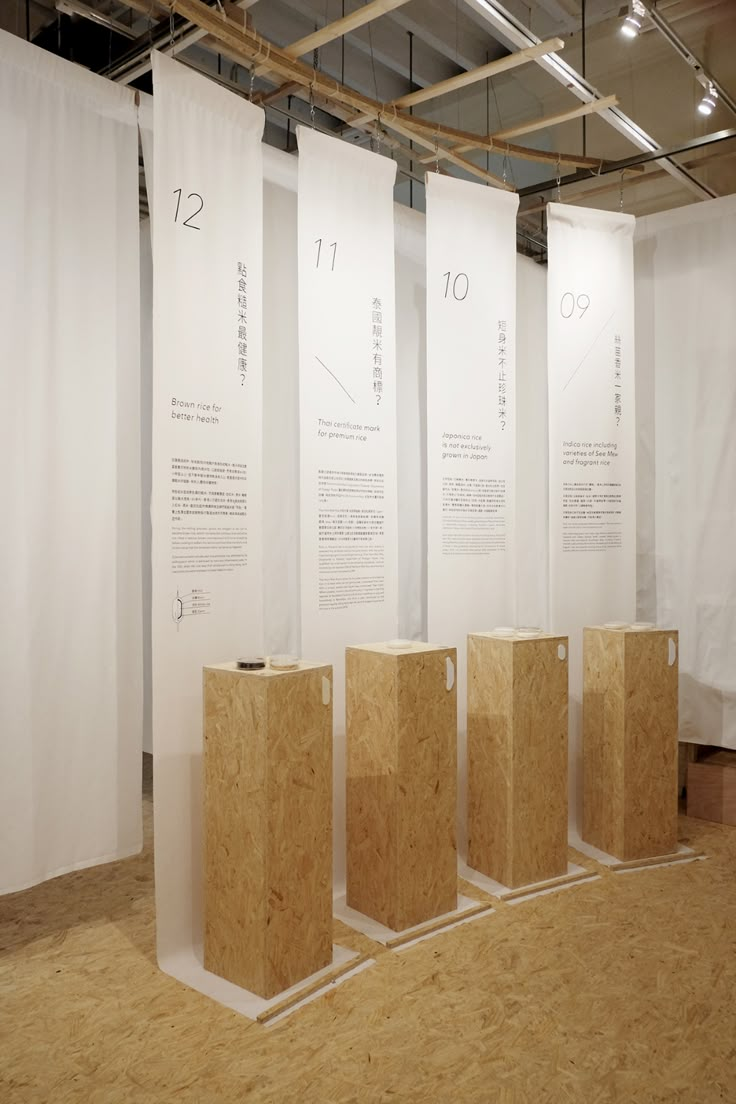
Modern fabric exhibition graphics depend on sophisticated tensioning systems stretching textiles taut across frames, creating smooth, wrinkle-free surfaces with precise dimensional stability. Silicone edge graphics (SEG) systems utilize thin silicone strips sewn into fabric edges, pushed into frame channels for secure, even tension with minimal visible hardware. This approach enables frameless appearance with easy graphic replacement, supporting reusable hardware investment with changeable messaging.
Pillowcase graphics stretch over rigid frames creating three-dimensional forms with fabric covering front and sides, ideal for towers, counters, or architectural elements. Push-fit systems utilize fabric pockets or channels on frame edges, while magnetic or mechanical fastening provides alternative tensioning approaches. System selection depends on graphic size, change frequency, structural requirements, and budget considerations. Luna Graphics provides consultation on optimal tensioning systems for specific exhibition applications.
3D Forms and Architectural Applications
Fabric printing enables complex three-dimensional exhibition structures impossible with rigid materials, with textile skins conforming to curved, organic, or geometric frameworks. Tensioned fabric ceilings create immersive environments; curved walls guide traffic flow; organic forms suggest brand attributes or product characteristics. These architectural applications transform exhibition booths from rectilinear boxes into distinctive branded environments.
Inflatable structures utilizing fabric graphics provide rapid deployment and dramatic scale for temporary exhibitions, with sealed or continuous-blow systems supporting various durations and structural requirements. For Kenyan exhibitions with complex design ambitions, fabric's formability enables creative execution within practical logistics constraints.
Sustainability and Environmental Trends
Fabric exhibition graphics align with sustainability priorities through multiple mechanisms: lightweight construction reducing shipping carbon footprint; reusable hardware systems minimizing waste; recyclable polyester substrates; and durability enabling extended use cycles. Recycled PET fabrics manufactured from post-consumer plastic bottles provide environmental narrative without quality compromise, increasingly specified by environmentally conscious brands.
Water-based dye-sublimation inks reduce environmental impact compared to solvent alternatives, while energy-efficient curing processes minimize production footprint. For Kenyan organizations with sustainability commitments, fabric exhibition solutions demonstrate values through material selection while delivering practical performance advantages.
Portability and Logistics Advantages
Fabric graphics provide dramatic logistics advantages over rigid alternatives, with lightweight, foldable textiles reducing shipping volume and weight significantly. A complete fabric booth system may ship in cases transportable by passenger vehicle rather than freight, with installation possible without specialized labor or equipment. These practical benefits translate to cost savings and flexibility particularly valuable for exhibitors with frequent or remote exhibition schedules.
Wrinkle resistance and machine washability enable easy maintenance and refresh, with fabrics emerging from shipping folds ready for installation after simple hanging or light steaming. For Kenyan exhibitions with tight setup schedules or challenging venue access, fabric logistics advantages ensure reliable execution.
Hybrid Applications and Material Integration
Contemporary exhibition design increasingly combines fabric with other materials—rigid substrates, digital screens, or dimensional elements—creating rich material palettes with varied textures and effects. Fabric softens rigid architecture, provides acoustic dampening in hard-surface environments, and enables curved forms complementing angular construction. These hybrid approaches leverage fabric advantages while maintaining structural variety and visual interest.
Projection mapping onto fabric surfaces combines textile presence with dynamic media, with fabric providing physical presence and projection adding temporal dimension. For technology-integrated Kenyan exhibitions, fabric-projection combinations create sophisticated environments.
Quality Standards and Production Excellence
Exhibition fabric printing quality depends on color management ensuring consistency across production runs and hardware systems, resolution appropriate for viewing distances, and finishing precision including sewing, cutting, and hardware attachment. Color profiling specific to fabric substrates and illumination conditions ensures predictable results matching design intentions. Production inspection verifies print quality, dimensional accuracy, and hardware functionality before shipment.
Luna Graphics maintains quality protocols for exhibition fabric printing including color management, material inspection, and finishing standards ensuring professional results. Our dye-sublimation capabilities serve diverse exhibition requirements from simple banners to complex architectural installations.
Future Trends and Innovation
Emerging fabric printing technologies include direct-to-textile UV printing expanding substrate options beyond polyester, conductive fabrics enabling integrated electronics, and smart textiles with responsive or interactive capabilities. These innovations will further expand fabric exhibition applications, potentially integrating digital functionality directly into textile graphics.
For Kenyan exhibition designers, staying current with fabric printing trends ensures competitive capability and client value delivery. Luna Graphics invests in ongoing technology advancement ensuring clients access evolving fabric printing possibilities.
Conclusion: Textile Transformation of Exhibition Design
Exhibition fabric printing has evolved from alternative material to dominant approach, with technical capabilities and practical advantages supporting widespread adoption across trade show environments. Through dye-sublimation quality, tensioning system sophistication, and sustainability credentials, fabric graphics enable exhibition solutions impossible with traditional materials. For Kenyan businesses investing in exhibition presence, fabric printing provides competitive advantages in visual impact, logistics efficiency, and environmental responsibility.
Luna Graphics provides comprehensive exhibition fabric printing services from design consultation through production and hardware integration. Our expertise in dye-sublimation, tensioning systems, and architectural applications ensures optimal fabric solutions for specific exhibition objectives. Contact our exhibition specialists to discuss fabric printing for your upcoming trade show programs, and discover how textile transformation can elevate your booth presence.
Written by Ian Love
Marketing Director
Professional contributor at Luna Graphics specializing in printing and branding solutions.