
The Critical Importance of Strategic Timeline Planning in Exhibition Printing
Exhibition printing represents one of the most time-sensitive disciplines in the visual communications industry, where multiple interconnected elements must converge perfectly at specific venue installation deadlines. Unlike standard print jobs with flexible delivery windows, exhibition materials face immovable show opening times that create cascading deadline pressures throughout the production process. For Kenyan businesses preparing for trade shows at KICC, Sarit Centre, or international exhibitions abroad, understanding realistic lead times and strategic planning sequences prevents costly rush charges, quality compromises, and the stress of last-minute problem-solving.
The exhibition printing timeline extends far beyond the physical production period, encompassing design finalization, proofing cycles, material procurement, production scheduling, quality control, logistics coordination, and on-site installation. Each phase requires adequate time allocation, with insufficient planning in early stages creating compressed schedules and elevated costs in later stages. Professional exhibition printing demands strategic foresight typically beginning eight to twelve weeks before show opening for comprehensive booth programs, though individual elements may be accommodated within shorter windows when necessary.
The Pre-Design Phase: Strategic Foundation (8-12 Weeks Before Show)
Effective exhibition printing begins with strategic planning before any design work commences, establishing parameters that guide all subsequent decisions. This foundational phase includes booth space confirmation and dimensional verification, competitor analysis and positioning strategy, messaging hierarchy development, and preliminary budget allocation across print categories. For Kenyan exhibitors targeting international markets or high-profile local shows, this phase may also include venue regulation research regarding height restrictions, material prohibitions, and installation requirements that affect design possibilities.
Vendor selection and preliminary quotations should occur during this phase, with exhibition printing specialists like Luna Graphics providing detailed estimates based on preliminary specifications. Early engagement enables value engineering suggestions—alternative materials, production methods, or design approaches that achieve visual objectives more efficiently. This phase also establishes project management protocols, communication schedules, and approval hierarchies preventing decision bottlenecks during subsequent phases.
Design Development and Refinement (6-8 Weeks Before Show)
The design phase transforms strategic objectives into visual solutions, with exhibition printing timelines heavily influenced by design complexity and approval processes. Comprehensive booth designs incorporating multiple graphic elements, structural components, and interactive features require substantial development time, particularly when coordinating with booth builders or exhibition stand contractors. For Kenyan businesses without in-house exhibition design capabilities, this phase includes designer selection and briefing, with external design relationships adding communication coordination time to the schedule.
Design development should proceed systematically through concept presentation, refinement cycles, and final approval, with each iteration requiring adequate review time from stakeholders. Complex exhibition programs involving multiple decision-makers—marketing directors, brand managers, sales teams, and executive leadership—frequently encounter approval delays that compress subsequent production phases. Building approval buffer time into design schedules, and establishing clear approval deadlines with escalation protocols, maintains overall timeline integrity.
Technical File Preparation and Pre-Press (4-5 Weeks Before Show)
Once designs achieve approval, technical file preparation translates creative concepts into production-ready specifications. This phase includes high-resolution image sourcing and optimization, vector artwork finalization, typography refinement, and color management setup for predictable output. Exhibition printing often involves diverse materials—vinyl banners, fabric graphics, rigid substrates, promotional paper products—each requiring specific technical preparation optimized for particular output characteristics.
Pre-press proofing provides critical quality verification before production commitment, with physical proofing particularly valuable for color-critical brand applications or new material selections. Digital proofing offers rapid, economical verification suitable for timeline-pressured situations, while press proofs on actual production materials provide ultimate confirmation for high-investment exhibition programs. Proofing cycles should allocate time for review, potential corrections, and re-proofing when necessary, with compressed schedules potentially accepting digital-only proofing to maintain timelines.
| Exhibition Element | Minimum Lead Time | Recommended Lead Time | Critical Considerations |
|---|---|---|---|
| Vinyl banners and basic signage | 5-7 working days | 10-14 days | Simple production, weather-resistant materials |
| Fabric graphics and tension displays | 7-10 working days | 14-21 days | Dye-sublimation requires specialized equipment |
| Rigid substrate graphics (foam, acrylic) | 7-10 working days | 14-21 days | Cutting and finishing complexity |
| Custom promotional merchandise | 10-14 working days | 21-30 days | Sourcing and branding multiple items |
| Large format wall graphics | 7-10 working days | 14-21 days | Panel alignment and installation planning |
| Complex multi-element booths | 14-21 working days | 30-45 days | Coordination with booth builders |
| International shipping requirements | Add 7-14 days | Add 14-21 days | Customs clearance and logistics buffer |
Production Phase Management (3-4 Weeks Before Show)
Production scheduling for exhibition printing requires careful coordination across multiple elements with different production characteristics and timelines. Large format graphics typically dominate production schedules, with banner printing, wall graphics, and structural signage requiring substantial equipment time and sequential processing. Promotional materials—brochures, business cards, giveaways—often proceed in parallel through different production streams, with finishing processes (die-cutting, binding, packaging) adding time to paper-based products.
Quality control checkpoints throughout production catch potential issues while correction remains feasible, with particular attention to color consistency across multiple elements intended for cohesive booth presentation. Material inspection confirms substrate quality and specification compliance before production commitment, while output verification ensures resolution, registration, and finishing meet standards. For Kenyan exhibition printing managed by Luna Graphics, production transparency includes progress reporting and milestone confirmation, enabling client confidence without disruptive status inquiries.
Finishing, Packaging, and Logistics (1-2 Weeks Before Show)
Post-production finishing transforms printed elements into exhibition-ready condition, with processes varying dramatically by application type. Large format graphics require hemming, grommeting, or specialized finishing for installation systems, while rigid materials need edge treatment, mounting hardware attachment, or protective packaging. Promotional materials require collation, packaging, and quantity verification ensuring adequate supply for show duration.
Logistics coordination ensures timely delivery to exhibition venues or advance warehouse facilities, with shipping method selection balancing speed, cost, and security requirements. Local Nairobi exhibitions may utilize direct delivery to venue loading docks, while international shows require freight forwarding, customs documentation, and destination handling coordination. Luna Graphics provides comprehensive logistics management including insurance coverage, tracking systems, and delivery confirmation, eliminating client coordination burden for complex shipping requirements.
Installation and On-Site Support (Show Opening)
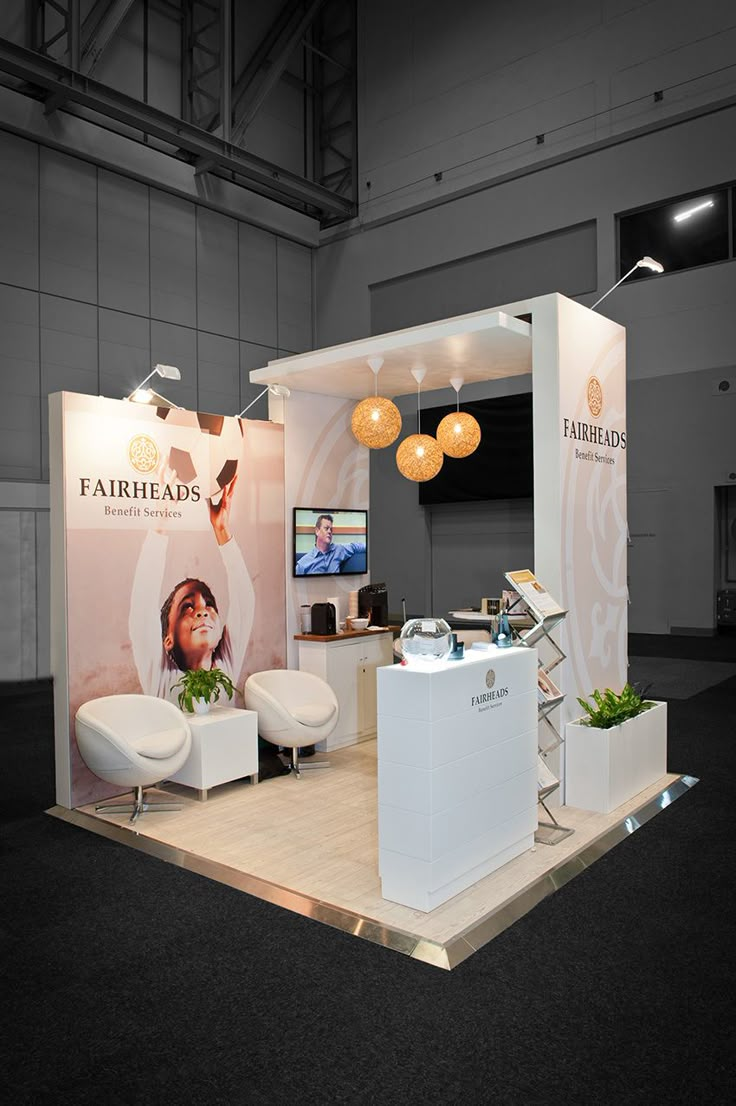
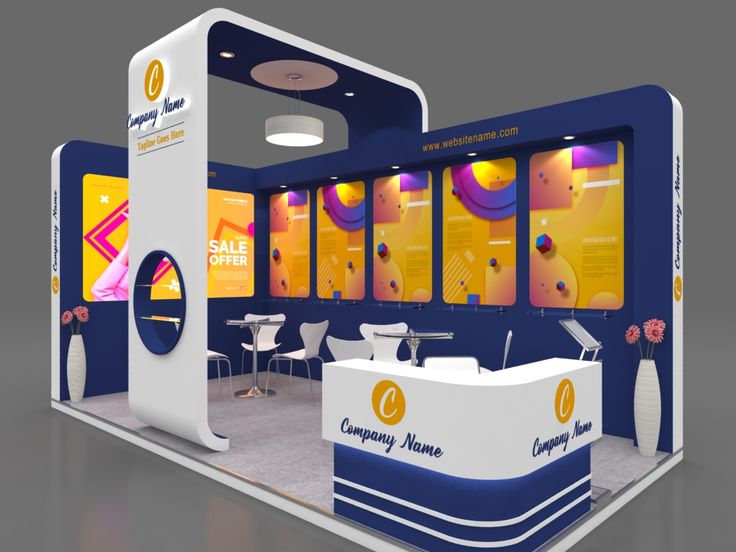
Exhibition installation represents the culmination of timeline planning, with printed elements positioned and secured according to booth design specifications. Professional installation services ensure graphics are properly tensioned, aligned, and secured, maximizing visual impact and preventing damage during show duration. For complex booth systems, installation coordination with booth builders, electricians, and AV technicians prevents conflicts and ensures cohesive final presentation.
Contingency planning addresses potential installation challenges including damaged elements requiring replacement, sizing discrepancies needing adjustment, or last-minute design changes responding to competitive developments. Luna Graphics maintains emergency production capabilities for critical replacement needs, though proactive timeline planning minimizes reliance on expedited solutions. Post-show removal and storage planning, established during initial timeline development, ensures efficient closeout and material preservation for future exhibition reuse.
Rush Production: When Timelines Compress
Despite best planning efforts, exhibition printing frequently encounters compressed timelines requiring expedited production strategies. Rush capabilities accommodate urgent requirements through prioritized scheduling, extended production hours, and streamlined approval processes, though typically at premium pricing reflecting resource reallocation. Understanding realistic rush limitations prevents impossible expectations—certain processes including dye-sublimation fabric printing, complex die-cutting, or international shipping cannot be substantially accelerated regardless of budget.
Strategic rush management prioritizes critical elements for expedited handling while maintaining standard timelines for less urgent components, optimizing both timeline compliance and cost control. Digital printing technologies enable faster turnaround than traditional methods for appropriate applications, while design simplification—reducing color complexity, finishing requirements, or material variety—accelerates production feasibility. Luna Graphics provides transparent rush assessment, clearly communicating achievable timelines and associated costs enabling informed client decisions.
Technology Integration: Modern Timeline Optimization
Digital workflow technologies significantly enhance exhibition printing timeline efficiency through streamlined file transfer, automated pre-flight checking, remote proofing capabilities, and production tracking systems. Cloud-based collaboration platforms enable real-time design review and approval regardless of stakeholder location, eliminating traditional courier-based proofing delays. For Kenyan businesses with international exhibition programs, these technologies bridge geographical gaps enabling responsive management despite time zone differences.
Print-on-demand capabilities for certain exhibition elements—particularly promotional literature—enable last-minute content updates and quantity adjustments without full timeline disruption. Variable data printing personalizes materials for specific show audiences with minimal additional production time, while digital large format printing accommodates late design refinements impossible with analog production methods. Technology integration, properly leveraged, provides timeline flexibility without quality compromise.
Multi-Show Programs: Efficiency Through Planning
Businesses with recurring exhibition commitments achieve substantial timeline and cost efficiencies through strategic multi-show planning. Generic booth elements—corporate identity graphics, structural signage, reusable display components—can be produced in economical batch quantities, with show-specific customization limited to easily changeable elements. This approach concentrates design and production investment in foundational elements, reducing per-show preparation timelines to customization and logistics coordination.
Storage and asset management programs maintain exhibition materials between shows, with inventory systems tracking condition, location, and availability for rapid deployment. Luna Graphics provides exhibition asset management services including climate-controlled storage, condition inspection, and refurbishment capabilities, extending material lifespan and simplifying show-to-show transitions. For Kenyan businesses with quarterly or monthly exhibition schedules, such programs transform timeline pressure into predictable, manageable processes.
Conclusion: Timeline Mastery Enables Exhibition Excellence
Exhibition printing timeline planning, approached systematically, transforms potentially stressful countdowns into confident, controlled processes delivering superior results. Strategic phase management, realistic lead time allocation, quality verification protocols, and contingency planning collectively ensure that printed materials achieve maximum impact precisely when exhibition opportunities open. For Kenyan businesses leveraging trade shows for market development—whether targeting local Nairobi audiences or international export markets—timeline mastery represents competitive advantage through superior presentation quality and reliable execution.
Luna Graphics partners with exhibition-active businesses throughout Kenya, providing timeline guidance, production capabilities, and logistical support that ensures show success. From initial planning consultations through on-site installation support, our comprehensive exhibition printing services eliminate uncertainty and elevate presentation impact. Contact our exhibition specialists to discuss your upcoming show schedule, develop customized timeline plans, and discover how professional exhibition printing management enhances your trade show return on investment.
Written by Ian Love
Marketing Director
Professional contributor at Luna Graphics specializing in printing and branding solutions.