
The Transformative Power of Light-Print Integration
Exhibition booth design traditionally treats lighting and printed graphics as separate elements—illumination providing visibility while graphics provide messaging—with integration limited to basic visibility assurance. Contemporary exhibition practice, however, recognizes lighting as active design material that fundamentally transforms printed graphic appearance, creating dimensional experiences impossible through print alone. For Kenyan exhibitors competing in crowded trade show environments, strategic lighting-print synergy creates distinctive presence that attracts attention and communicates quality.
Light interacts with printed materials through multiple mechanisms: transmission through translucent substrates creating glow and depth, reflection off surfaces affecting color perception and visibility, projection creating shadow and dimension, and color temperature influencing emotional response and brand association. Understanding these interactions enables intentional design where lighting and print are developed as integrated system rather than sequential additions, achieving effects neither could accomplish independently.
Backlit Graphics: Translucency and Glow
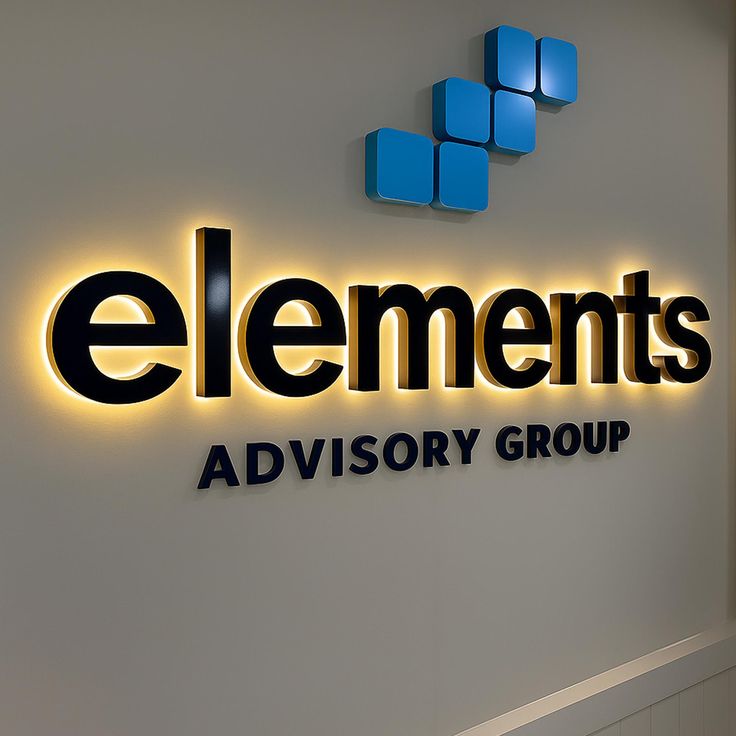
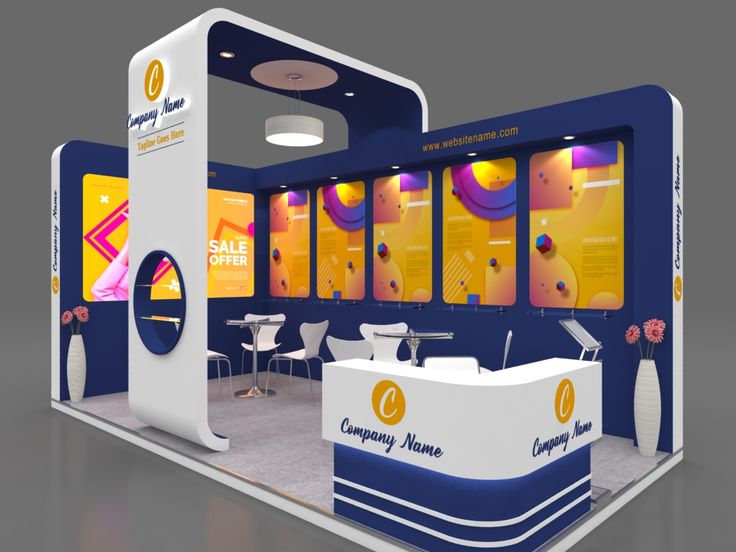
Backlit graphic systems represent the most dramatic lighting-print integration, with illumination from behind printed translucent materials creating vibrant, self-luminous displays visible across exhibition halls. Dye-sublimation printing on tension fabric or direct printing on translucent rigid substrates produces graphics that transform dramatically when illuminated—colors intensify, whites glow, and imagery gains dimensional depth suggesting window-like views into branded spaces. For Kenyan exhibition booths seeking maximum visual impact, backlit systems provide presence impossible with front-lit alternatives.
LED technology has revolutionized backlit exhibition graphics, with slim light panels, edge-lit systems, and flexible LED sheets enabling backlighting in configurations impossible with fluorescent predecessors. These systems run cool, consume minimal electricity, and provide consistent illumination without maintenance, suitable for multi-day exhibitions without technical attention. Lightbox depths have reduced to 100mm or less while maintaining uniformity, preserving valuable booth space for interaction rather than infrastructure.
| Backlit System | Construction | Best Applications | Considerations |
|---|---|---|---|
| Tension fabric lightbox | Silicone-edge graphics on aluminum frame with LED | Large walls, towers, overhead hanging | Wrinkle-free tensioning, even illumination, lightweight |
| Rigid panel lightbox | Acrylic or polycarbonate with direct print or film | Counters, product displays, wayfinding | Durability, cleanability, structural rigidity |
| Edge-lit panel | Laser-etched acrylic with LED edge strips | Slim displays, mobile units, elegant minimalism | Ultra-thin profile, even lighting, premium appearance |
| Flexible LED sheet | Adhesive LED array with fabric overlay | Curved surfaces, columns, irregular shapes | Conformability, installation complexity, cost |
| Double-sided hanging | Lightbox visible from both sides | Aisle visibility, island booths, space division | 360-degree impact, structural requirements, power access |
| Dynamic RGB backlit | Color-changing LED with printed graphic | Attention grabbing, mood variation, time-based messaging | Control systems, programming, visual complexity |
Front-Lighting Strategies for Print Enhancement
While backlighting creates dramatic transformation, front-lighting remains essential for most exhibition graphics, with strategic illumination significantly enhancing print appearance and effectiveness. Color rendering index (CRI) becomes critical for front-lit graphics, with high-CRI sources (90+) ensuring printed colors appear as designed rather than distorted by poor-quality lighting. For Kenyan exhibition booths where brand color accuracy matters, LED track lighting with high CRI specification preserves investment in careful graphic color management.
Lighting angle and intensity dramatically affect graphic appearance, with grazing light angles emphasizing texture and dimension while frontal illumination maximizes color saturation and readability. Adjustable track systems enable optimization for specific graphic types—dimensional letters benefit from angled lighting creating shadow, while photographic imagery requires even, frontal illumination preventing glare and ensuring color fidelity. Lighting design should anticipate visitor viewing angles and booth traffic patterns, ensuring graphics remain well-lit from primary approach directions.
Color Temperature and Brand Psychology
Light color temperature—measured in Kelvin (K)—profoundly influences emotional response and brand perception, with warm temperatures (2700K-3000K) creating intimacy and comfort while cool temperatures (5000K-6500K) suggest clarity, technology, and alertness. Exhibition lighting should align with brand positioning and product category—financial services may benefit from neutral-to-cool precision while hospitality brands suit warmer, welcoming temperatures. For Kenyan exhibition booths, color temperature consistency across all sources prevents discordant appearance suggesting poor quality.
Color temperature interaction with printed colors requires careful consideration, as warm lighting enriches reds, oranges, and yellows while potentially dulling blues and greens; cool lighting enhances blues and whites while potentially washing out warm tones. Graphic design should anticipate lighting color temperature, or lighting should be specified to complement designed color palettes. Tunable white LED systems enable color temperature adjustment for different booth activities or times of day, providing flexibility within single installation.
Projection and Dynamic Lighting Effects
Projection mapping and dynamic lighting extend static printed graphics into animated, responsive experiences without replacing physical materials. Projected imagery overlays printed substrates with motion, color change, or interactive response, with printed bases providing physical presence and brand consistency while projection adds temporal dimension. For Kenyan exhibition booths seeking dynamic presence without video wall investment, projection onto printed surfaces offers cost-effective animation capability.
Gobo projection—patterned light created through stencils or digital projection—casts branded imagery, textures, or messaging onto floors, walls, or ceilings, extending brand presence beyond graphic panels into environmental surfaces. Moving head fixtures create animated light patterns drawing attention and suggesting technological sophistication. These dynamic elements should complement rather than compete with printed graphics, with coordinated programming ensuring cohesive experience.
Integrated Design Development
Optimal lighting-print synergy requires integrated design development rather than sequential addition, with lighting designers and graphic designers collaborating from concept phase. Graphic design should anticipate lighting effects—specifying translucent areas for backlighting, reflective materials for sparkle, or matte finishes preventing glare under front-lighting. Lighting design should respond to graphic intentions—providing appropriate color temperature, intensity, and distribution for specific visual objectives.
Technical coordination ensures power distribution, fixture mounting, and control systems support design intentions without compromising graphic presentation or booth functionality. For Kenyan exhibition booths with complex lighting-print integration, professional design coordination prevents common problems including uneven illumination, color inconsistency, or inadequate power infrastructure.
Material Selection for Lighting Compatibility
Printed material selection significantly impacts lighting effectiveness, with substrate translucency, reflectivity, and texture determining illumination results. Backlit applications require specifically engineered translucent fabrics or rigid materials with optimal light diffusion—too transparent creates hot spots, too opaque dulls illumination. Front-lit applications benefit from matte surfaces preventing glare and color shifts under angled lighting, though specific effects may utilize glossy or textured materials for particular results.
Ink and print technology influence lighting interaction, with dye-sublimation providing excellent backlighting penetration and color consistency, while UV-cured inks offer durability for edge-lit applications. Metallic inks, reflective elements, or specialty media create unique lighting effects—sparkle, iridescence, or dimensionality—enhancing standard graphic impact. Luna Graphics provides material consultation optimizing print specifications for intended lighting approaches.
Practical Implementation and Budget Optimization
Lighting-print synergy implementation ranges from simple—adding LED strips behind fabric graphics—to complex—programmed RGB systems with sensor interaction. Budget allocation should prioritize highest-impact applications, typically large backlit walls or towers creating booth presence visible across exhibition halls. Modular systems enabling reconfiguration across multiple exhibitions maximize investment return for regular exhibitors.
Rental lighting equipment provides access to sophisticated capabilities without capital investment, with professional installation ensuring technical execution. For Kenyan businesses with occasional exhibition participation, rental approaches enable professional lighting quality without ownership burden. Luna Graphics provides integrated lighting-print solutions including equipment rental, installation, and technical support.
Measurement and Optimization
Lighting effectiveness should be evaluated through both objective measurement—illuminance levels, color temperature accuracy, uniformity—and subjective assessment—visual appeal, brand communication effectiveness, visitor engagement. Post-show review identifies optimization opportunities for subsequent exhibitions, with photographic documentation enabling analysis of lighting appearance and visitor interaction patterns.
Emerging technologies including circadian lighting, LiFi communication, and responsive environments will further expand lighting-print integration possibilities. Luna Graphics monitors technological developments ensuring Kenyan exhibition clients access current capabilities and future innovations.
Conclusion: Illumination as Design Material
Exhibition booth lighting-print synergy transforms two-dimensional graphics into dimensional experiences, static messaging into dynamic presence, and ordinary booths into memorable brand environments. Through strategic integration of backlighting, front-lighting, color temperature, and dynamic effects, exhibitors achieve distinctive presence justifying investment through measurable engagement and brand impact. For Kenyan businesses competing in exhibition environments, lighting sophistication increasingly differentiates professional presence from amateur participation.
Luna Graphics provides integrated lighting-print design and implementation services, combining large format printing expertise with lighting design capability and technical installation. Our comprehensive approach ensures cohesive results impossible through separate vendor coordination. Contact our exhibition specialists to discuss lighting-print integration for your upcoming booth programs, and discover how strategic illumination can transform your exhibition presence.
Written by Ian Love
Marketing Director
Professional contributor at Luna Graphics specializing in printing and branding solutions.