
The Power of Illuminated Brand Presence
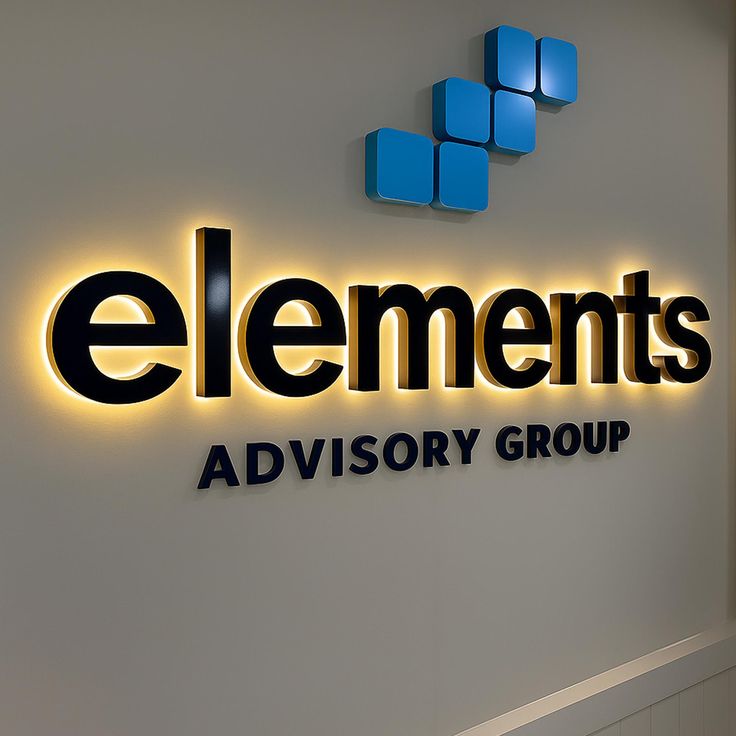
Backlit signage transforms retail environments, creating beacons that attract attention, communicate brand identity, and guide customer behavior. In Kenya's competitive retail landscape— from Nairobi's shopping malls to high street storefronts—illuminated graphics provide visibility that static signage cannot match. The interplay of light and color creates emotional engagement that drives foot traffic and purchasing decisions.
The technology behind effective backlit signage involves sophisticated material science, precision printing, and lighting engineering. Understanding these elements enables retail operators to invest in illuminated graphics that deliver consistent impact without excessive energy consumption, maintenance burden, or premature failure.
Backlit Material Technologies
Backlit vinyl films serve as the primary printed substrate for illuminated signage. These translucent materials diffuse light evenly across printed graphics, preventing hot spots while maintaining color vibrancy. Calendered backlit vinyl provides economical solutions for flat applications; cast backlit vinyl offers conformability for curved lightboxes.
Diffuser fabrics provide textile alternatives with elegant drape and acoustic benefits. These woven polyester materials accept dye-sublimation printing, producing seamless graphics for large architectural installations. The fabric's light diffusion creates soft, even illumination preferred for upscale retail environments.
Rigid backlit materials including acrylic and polycarbonate serve specific applications. Edge-lit acrylic panels with laser-etched graphics create ultra-thin displays. Polycarbonate provides impact resistance for high-traffic areas. These rigid options suit permanent architectural integration rather than flexible graphic applications.
Blockout materials enable double-sided illumination without image bleed-through. These opaque interlayers prevent light transmission between sides, allowing different graphics on each face of a lightbox. Essential for projecting signage viewed from multiple directions.
Printing Technologies for Backlit Applications
UV-curable printing provides optimal durability and color saturation for backlit graphics. UV inks resist fading from the heat and UV exposure inherent in illuminated applications. The technology prints directly to vinyl or fabric without transfer processes, ensuring color accuracy and adhesion.
Dye-sublimation produces vibrant textile graphics with excellent light transmission characteristics. The dye-polyester bond creates permanent color that won't crack or peel under thermal cycling from illumination. Essential for fabric-based backlit installations.
Latex printing offers water-based alternatives with low odor and environmental impact. While generally less durable than UV for high-heat applications, latex serves well for moderate illumination and short-term campaigns. The technology enables rapid production without solvent curing requirements.
Day/night printing techniques balance appearance in illuminated and unlit conditions. Without backlighting, standard backlit prints appear washed out. Special ink formulations and double-printing techniques ensure acceptable appearance when unlit while maximizing impact when illuminated.
Lighting System Integration
LED illumination has revolutionized backlit signage, replacing fluorescent tubes with efficient, long-lasting, compact light sources. LED systems reduce energy consumption 50-70% compared to fluorescent while providing more consistent illumination without the maintenance of tube replacement.
LED configuration options include edge-lighting for thin profiles, back-lighting for maximum brightness, and matrix arrangements for uniform distribution. Edge-lit systems suit shallow depth restrictions; back-lit provides brightest output for high-ambient-light environments.
Color temperature selection affects graphic appearance and emotional impact. Cool white (5000-6500K) maximizes perceived brightness and color accuracy; warm white (2700-3500K) creates inviting, comfortable ambiance. RGB LED systems enable dynamic color changing for promotional flexibility.
Dimming and control systems extend signage utility. Daylight sensors adjust brightness to ambient conditions, saving energy and preventing overwhelming brightness at night. Programmable controllers enable scheduled dimming or dynamic effects for special promotions.
Design Optimization for Illuminated Graphics
| Design Element | Backlit Consideration | Recommendation |
|---|---|---|
| Color Density | Light transmission affects appearance | Test prints under actual illumination |
| White Areas | Unprinted areas transmit maximum light | Use sparingly; can cause hot spots |
| Black/Dark Areas | Block light transmission | Ensure adequate density for contrast |
| Fine Detail | Diffusion softens edges | Avoid very fine text or intricate patterns |
| Gradients | Smooth transitions challenge printing | Verify smoothness in proofs |
| Brand Colors | Backlighting alters color perception | Adjust files for illuminated appearance |
| Registration | Double-sided requires precision | Allow tolerance for material stretch |
Color management for backlit applications requires specific profiles accounting for light transmission. Standard print profiles assume reflected light viewing; backlit viewing transmits light through color layers, altering apparent saturation and hue. Professional backlit production uses calibrated profiles and physical proofing under illumination.
Contrast requirements differ from reflective signage. Backlit graphics compete with ambient light rather than relying on it. Designs may require boosted contrast and adjusted tonal curves to maintain impact when surrounded by illuminated retail environments.
Installation and Maintenance Best Practices
Lightbox construction affects graphic appearance and longevity. Even light distribution requires proper diffusion distance—too close to LEDs creates visible hotspots; too far reduces brightness. Professional engineering ensures optimal light mixing for uniform appearance.
Graphic installation must achieve tension without distortion. Wrinkles or sagging create visible defects under illumination. Silicone edge graphics (SEG) systems provide consistent tensioning; traditional mounting requires careful stretching and securing.
Thermal management extends LED and graphic life. Enclosed lightboxes require ventilation or active cooling to prevent heat buildup that degrades LEDs and can warp graphics. Outdoor installations need weatherproofing that maintains thermal performance.
Maintenance access should be designed for graphic changes. Retail campaigns require periodic updates; difficult access increases labor costs and downtime. Snap-frame systems, magnetic mounts, or SEG channels enable rapid graphic replacement.
Retail Application Strategies
Storefront windows provide prime backlit real estate for retail visibility. Transparent or perforated backlit films allow visibility from inside while creating dramatic exterior presence. These applications transform storefronts into dynamic advertising surfaces after dark.
Interior wayfinding and department identification utilize backlit signage for functional elegance. Illuminated directories, category markers, and promotional displays guide customers while reinforcing brand sophistication. The ambient lighting improves store atmosphere and perceived quality.
Point-of-sale backlit displays capture attention at purchase decision points. Countertop lightboxes, shelf-edge illumination, and checkout area graphics influence impulse purchases and upsell opportunities. The illumination draws eyes to specific products or promotions.
Mall common area signage reaches audiences beyond individual store traffic. Backlit mall directories, promotional displays, and sponsorship signage provide exposure to broader shopping center visitors. These placements require coordination with mall management and adherence to design guidelines.
Cost Structures and ROI Analysis
Backlit signage investment includes graphic production, lighting hardware, installation, and energy consumption. Initial costs exceed non-illuminated alternatives substantially—typically 3-5x for equivalent size. However, extended viewing hours and superior impact often justify premium pricing.
LED energy costs are modest—typically KES 500-2,000 monthly for retail-scale installations depending on size and electricity rates. LED longevity (50,000+ hours) minimizes maintenance compared to fluorescent alternatives requiring regular tube replacement.
Graphic replacement costs should be budgeted for campaign changes. While hardware represents long-term investment, graphics require periodic updating. Modular systems enabling graphic changes without hardware modification reduce long-term costs.
Luna Graphics provides comprehensive backlit signage solutions from design optimization through production, hardware specification, and installation coordination. Our technical team ensures your illuminated graphics achieve maximum impact with reliable performance. Contact us for site surveys and project consultation.
Written by Ian Love
Marketing Director
Professional contributor at Luna Graphics specializing in printing and branding solutions.