
The Rise of Textile Graphics in Kenyan Event Production
Fabric printing has revolutionized event visual production in Kenya, replacing rigid, heavy traditional materials with lightweight, elegant textile solutions. From exhibition backdrops to stage draping, from branded table coverings to suspended ceiling features, fabric graphics offer practical and aesthetic advantages that transform event environments. Understanding available technologies, material characteristics, and display systems enables event organizers to leverage textile printing for maximum impact.
The shift toward fabric solutions reflects global trends while addressing specific Kenyan logistical challenges. Fabric graphics pack compactly for efficient transport—critical given Nairobi's traffic constraints and venue access limitations. They resist wrinkling better than vinyl banners, present softer aesthetics appropriate for upscale events, and offer reusability that reduces long-term costs for recurring event series.
Primary Fabric Printing Technologies
Dye-sublimation printing dominates high-quality fabric graphics production, utilizing the same chemical principles described for apparel decoration but applied to display textiles. Polyester fabrics specifically engineered for display applications—varying in weight, texture, and opacity—accept sublimated dyes that produce vibrant, permanent imagery with excellent color consistency.
Display polyester fabrics range from lightweight (100-150 gsm) options suitable for backlit applications and suspended banners, to heavyweight (300+ gsm) textiles for stage backdrops and self-supporting displays. Knitted constructions offer stretch and wrinkle resistance, while woven fabrics provide dimensional stability for precision applications. The material selection significantly impacts final appearance and functionality.
Direct-to-textile (DTT) inkjet printing offers alternatives using pigment or reactive inks deposited directly onto fabric surfaces without transfer paper. These methods can print on natural fibers including cotton and silk, expanding material options beyond polyester limitations. However, color vibrancy and wash durability generally fall short of sublimation standards, limiting DTT primarily to short-term display applications rather than apparel or frequently washed items.
UV-curable printing on textiles represents emerging technology for rigid display applications, though less common for flexible fabrics in Kenyan market. This method offers potential for printing on unconventional textile substrates with exceptional durability, but currently sees limited adoption due to equipment costs and stiffness of cured ink deposits.
Display Systems and Installation Methods
Fabric graphics require appropriate display systems to achieve professional presentation. Tension fabric displays utilize aluminum frames with silicone edge graphics (SEG) that push into frame channels, creating drum-tight surfaces without visible fasteners. These systems pack compactly, assemble without tools, and enable rapid graphic changes—ideal for exhibition programs with varying messaging.
Pop-up and hop-up displays provide portable solutions for smaller exhibitions and retail promotions. Magnetic or hook-and-loop attachments secure printed fabric panels to collapsible frames, creating substantial display areas from compact transport cases. These systems suit sales teams, product demonstrations, and temporary retail environments.
Hanging and suspended systems maximize vertical space in exhibition halls and event venues. Fabric's light weight enables ceiling suspension without structural concerns that rigid materials would create. Custom shapes, curved forms, and layered installations create dramatic architectural elements that define event spaces.
Stage and set applications utilize fabric for backdrops, wings, and scenic elements. The material's acoustic properties—absorbing sound rather than reflecting it—improve audio quality in event environments. Lighting designers appreciate fabric's interaction with theatrical lighting, producing soft, even illumination without hot spots or glare.
Material Specifications for Event Applications
| Fabric Type | Weight/Construction | Best Applications | Characteristics |
|---|---|---|---|
| Polyester Poplin | 130-150 gsm, woven | Table covers, drapes | Smooth, opaque, economical |
| Polyester Satin | 150-200 gsm, woven | Premium backdrops, elegance | Lustrous surface, light reflective |
| Polyester Jersey | 180-220 gsm, knitted | Stretch displays, curved frames | Wrinkle-resistant, form-fitting |
| Polyester Mesh | 90-120 gsm, open weave | Large banners, wind permeability | Lightweight, see-through effect |
| Polyester Canvas | 250-350 gsm, textured | Stage backdrops, premium displays | Substantial, painterly texture |
| Backlit Polyester | 130-180 gsm, woven | Lightbox graphics, illumination | Light diffusion, vibrant color |
| Blockout Polyester | 200-250 gsm, coated | Double-sided displays, opacity | Complete light blocking |
| Recycled Polyester | Various | Sustainable events | Eco-friendly, quality comparable |
Design Considerations for Fabric Graphics
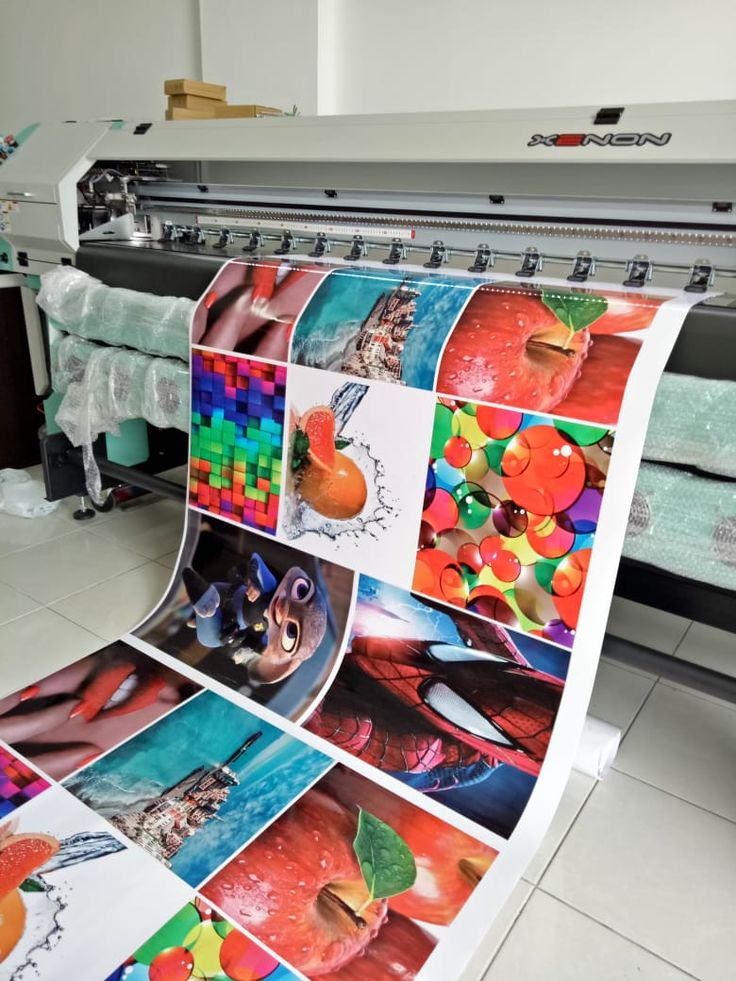
Fabric printing accommodates designs impossible with rigid materials, including seamless graphics exceeding standard material widths. Wide-format sublimation printers handle fabrics up to 3.2 meters wide, while sewing techniques can join sections invisibly for unlimited dimensions. This scalability enables building wraps, stage backdrops, and exhibition graphics without visual interruptions.
Color reproduction on fabric differs from paper or vinyl substrates. Fabric texture affects ink appearance—smooth satins produce vibrant, reflective color while textured canvas absorbs light creating softer, more muted effects. Designers should request material samples printed with color charts to understand specific fabric behavior before finalizing designs.
Stretch and shrinkage characteristics require design accommodation. Knitted fabrics stretch during installation, potentially distorting graphics if not properly tensioned. Allowance for fabric behavior ensures graphics appear as intended when installed. Professional fabric display systems account for these characteristics through engineered frame dimensions and attachment methods.
Logistics and Practical Advantages
Transport efficiency represents fabric graphics' compelling practical advantage. A complete exhibition booth's fabric graphics might pack into a single suitcase, while equivalent rigid materials would require large vehicles and multiple handlers. This efficiency reduces transport costs, simplifies logistics, and enables international shipping for regional events without prohibitive freight expenses.
Installation speed transforms event setup timelines. Fabric graphics attach to frames in minutes compared to hours for panel systems or vinyl applications. This efficiency reduces labor costs and venue rental time—significant considerations given Nairobi venue pricing and strict access schedules.
Maintenance and longevity favor quality fabric graphics. Wrinkles relax when hung or can be steamed smooth. Unlike vinyl, fabric doesn't crack, delaminate, or show edge curl. Properly stored fabric graphics maintain appearance through dozens of uses, providing exceptional return on investment for recurring events.
Cost Structures and Value Analysis
Fabric graphic pricing includes material, printing, finishing (hemming, sewing), and hardware components. Display polyester costs KES 800-1,500 per square meter depending on weight and quality, with printing adding KES 600-1,000 per square meter. Hardware systems represent significant initial investment but amortize across multiple uses and graphic changes.
Total cost of ownership analysis often favors fabric over alternatives despite higher initial material costs. Ten uses of a fabric graphic system typically cost less than ten replacements of disposable vinyl graphics, while providing superior appearance and installation efficiency. For organizations with regular event programs, fabric systems deliver substantial long-term value.
Rental options provide access to fabric display systems without capital investment. Luna Graphics offers comprehensive rental programs including hardware, custom-printed graphics, and installation services for single events or series. This flexibility enables smaller organizations to access professional fabric display capabilities without inventory investment.
Sustainability and Environmental Considerations
Fabric graphics offer environmental advantages through reusability and material characteristics. Quality display fabrics withstand hundreds of uses, dramatically reducing waste compared to single-use vinyl alternatives. End-of-life recycling options for polyester are emerging, though infrastructure remains limited in Kenya.
Transport efficiency reduces carbon footprint associated with event logistics. Lighter shipping weights and compact packing decrease fuel consumption for event transport. Some organizations specifically select fabric graphics as part of broader sustainability commitments for corporate events.
Water-based sublimation inks eliminate solvent emissions associated with vinyl printing, improving indoor air quality at events. This characteristic particularly benefits enclosed venues where ventilation may be limited and occupant health is priority.
Luna Graphics provides comprehensive fabric printing and display system services for Kenya's event industry. From material consultation and design optimization through production and installation support, our textile graphics capabilities transform event environments. Contact our events team to discuss your specific requirements and explore fabric solutions for your next exhibition or corporate event.
Written by Ian Love
Marketing Director
Professional contributor at Luna Graphics specializing in printing and branding solutions.