
Mechanical vs. Abrasive Waterjet Cutting
CNC cutting (mechanical, using rotating tools) and waterjet cutting (using high-pressure water, optionally with abrasive) represent distinct material removal methodologies, each with specific advantages and optimal applications. Both are CNC-controlled processes, but cutting mechanism fundamentally differs affecting material compatibility, edge characteristics, and economic considerations.
Understanding these differences enables informed technology selection, and many manufacturing operations maintain both capabilities for comprehensive service. This guide provides detailed comparison supporting appropriate method selection.
Technology Fundamentals
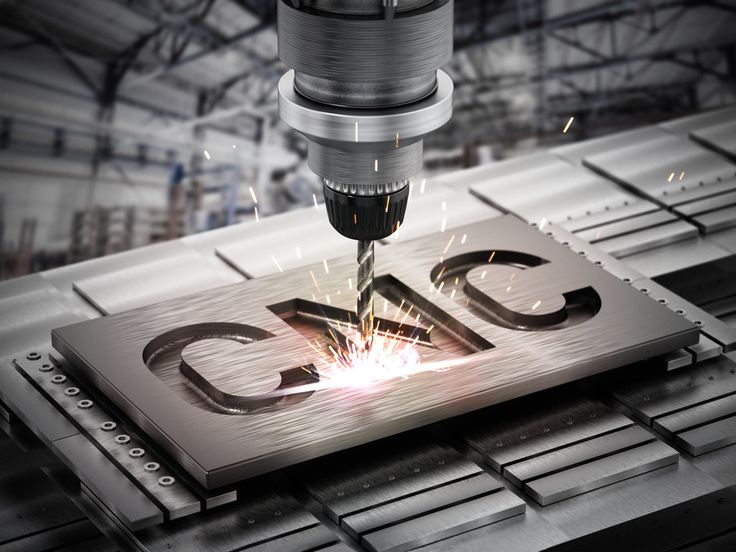
CNC Mechanical Cutting: Rotating cutting tools (end mills, routers) physically shear material through direct contact. Tool geometry and parameters optimized for material; chip formation removes material; and cutting forces require workpiece stabilization.
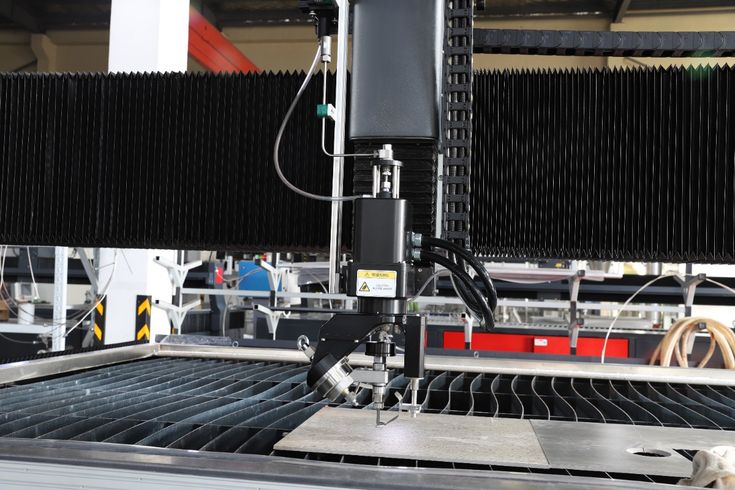
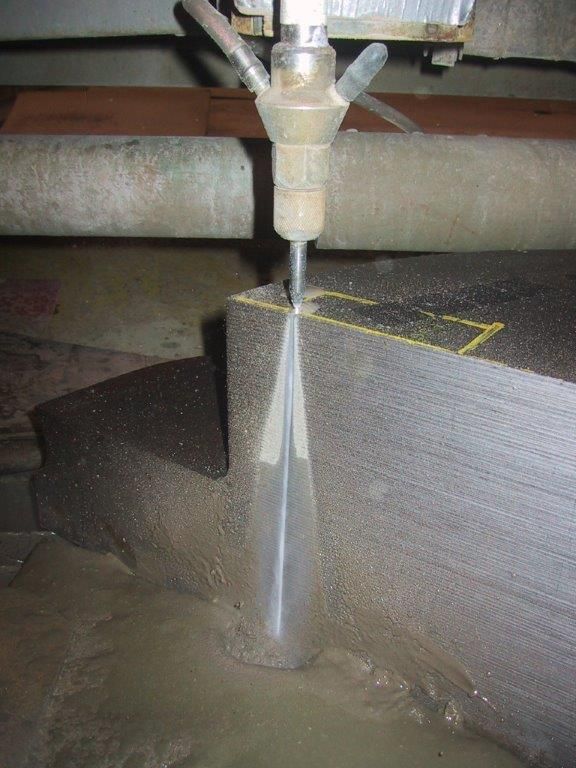
Waterjet Cutting: High-pressure water (typically 60,000 psi/4,000 bar) forced through small orifice (0.1-0.4mm) creating high-velocity jet. Pure waterjet cuts soft materials; abrasive waterjet adds garnet abrasive enabling hard material cutting. Material removed by erosion rather than shearing.
| Characteristic | CNC Mechanical | Waterjet | Implication |
|---|---|---|---|
| Cutting mechanism | Shearing | Erosion | Different material effects |
| Heat generation | Significant | None (cold cutting) | Thermal sensitivity |
| Cut width (kerf) | Tool diameter (3-12mm) | 0.8-1.7mm | Material waste, detail capability |
| Cutting speed | Material dependent, generally faster | Slower, especially thick materials | Production economics |
| Maximum thickness | Machine Z-travel limited | Up to 300mm+ | Thick material capability |
| Material range | Wide, machinable materials | Virtually unlimited | Material flexibility |
| Precision | ±0.05-0.1mm typical | ±0.1-0.2mm typical | Tolerance capability |
| Edge quality | Tool marks, may require finishing | Satin finish, no heat affect | Post-processing needs |
Material Compatibility Comparison
CNC Mechanical Advantages:
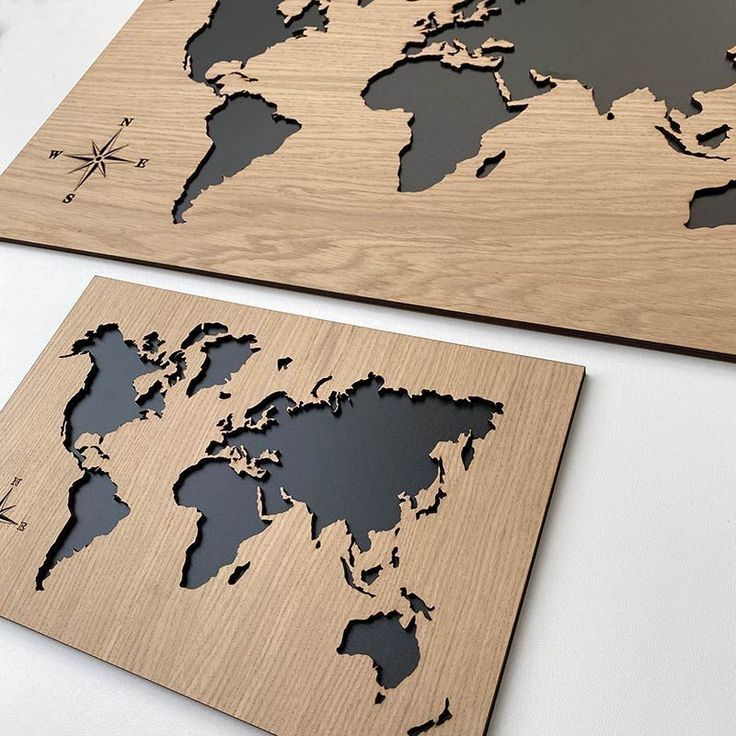
- Wood and wood composites: Clean cutting, fast, economical
- Plastics (most): Good edge quality, fast processing
- Soft metals (aluminum, brass): Efficient with proper equipment
- Materials requiring 3D machining: True depth capability
Waterjet Advantages:
- Hardened steels: No thermal damage, no tool wear
- Stone, ceramic, glass: No cracking from thermal shock
- Composites: No delamination, clean edges
- Thermally sensitive materials: No heat-affected zone
- Very thick materials: Unlimited practical thickness
- Reflective materials: No beam reflection issues (vs. laser)
Edge Quality and Characteristics
CNC Mechanical Edges: Show tool marks parallel to cutting direction; may have slight burr requiring removal; heat-affected zone in metals; and sharp corners limited by tool radius.
Waterjet Edges: Satin, matte finish without tool marks; slight taper (1-3 degrees) due to jet spreading; no heat-affected zone; and sharp corners possible.
Precision Comparison: CNC mechanical generally achieves tighter tolerances (±0.05mm) than waterjet (±0.1-0.2mm) due to kerf width and jet behavior. Waterjet taper requires compensation for precision work.
Economic Considerations
Operating Costs:
- CNC Mechanical: Tool wear (significant cost for hard materials); spindle power; and maintenance.
- Waterjet: Abrasive consumption (major cost); pump maintenance; orifice replacement; and water treatment.
Speed and Productivity: CNC mechanical generally faster for suitable materials, especially in thin to medium sections. Waterjet slow on thick materials but unmatched in capability.
Setup and Programming: Similar CAD/CAM workflow for both; waterjet simpler (2D only) while CNC mechanical handles 3D; and nesting optimization similar.
Specific Application Guidance
Choose CNC Mechanical When:
- Material machines well (wood, plastic, soft metal)
- 3D features, pockets, or profiling required
- Tightest tolerances needed
- High production speed important
- Edge finish achievable with tooling
- Material thickness within machine capacity
Choose Waterjet When:
- Material thermally sensitive or very hard
- Very thick material (over 50mm)
- No heat-affected zone critical
- Material reflective or difficult for other thermal methods
- Composite materials prone to delamination
- Stack cutting multiple sheets efficiently
Hybrid and Complementary Use
Many applications benefit from both technologies—waterjet cutting blanks or profiles subsequently CNC machined for precision features; or CNC cutting soft materials while waterjet handles hard materials in same project. Integrated manufacturing operations offer both capabilities for optimal solutions.
Luna Graphics evaluates project requirements recommending CNC mechanical cutting, waterjet, or alternative methods based on material, geometry, precision, and economic factors. Our consultation ensures optimal manufacturing method selection for your specific requirements.
Written by Ian Love
Marketing Director
Professional contributor at Luna Graphics specializing in printing and branding solutions.