
Safety in CNC Cutting Operations
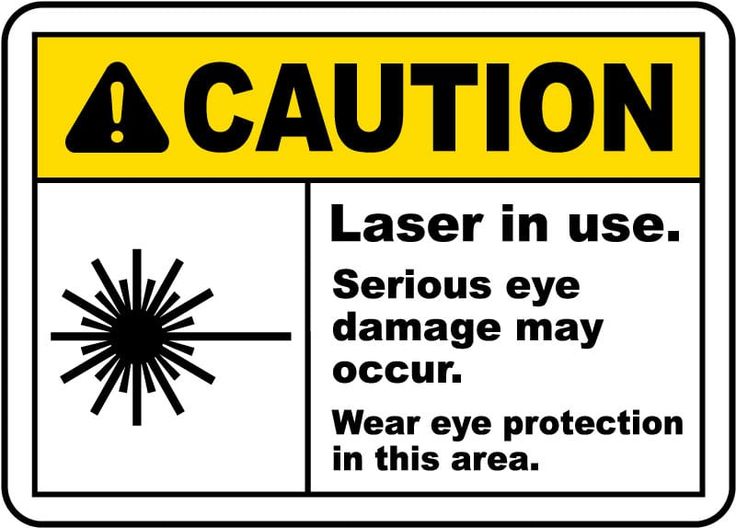
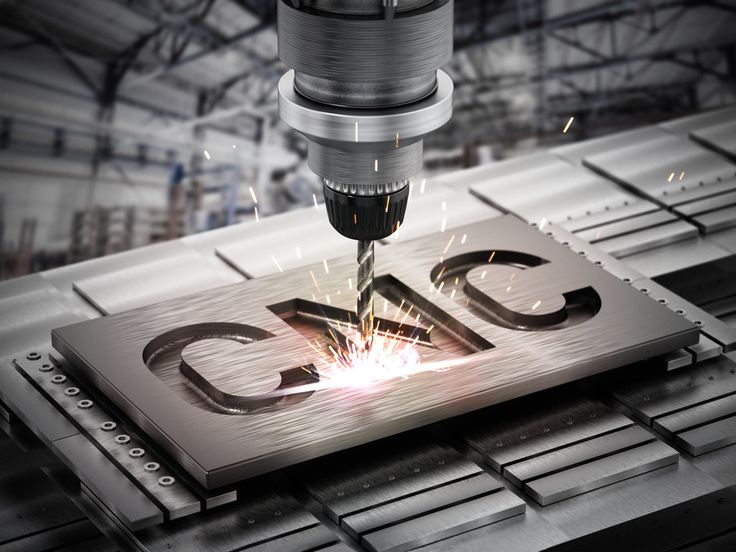
CNC cutting, while automating many hazardous aspects of machining, presents significant safety risks requiring systematic management. High-speed rotating tools, material projectiles, dust generation, and mechanical hazards demand comprehensive safety protocols, protective equipment, and operator training. Understanding and implementing safety standards protects workers, ensures regulatory compliance, and maintains productive operations.
Safety management in CNC cutting encompasses machine safeguarding, operational procedures, environmental controls, and emergency preparedness. This guide examines safety standards applicable to CNC cutting, hazard identification, and risk mitigation strategies.
Machine Safeguarding
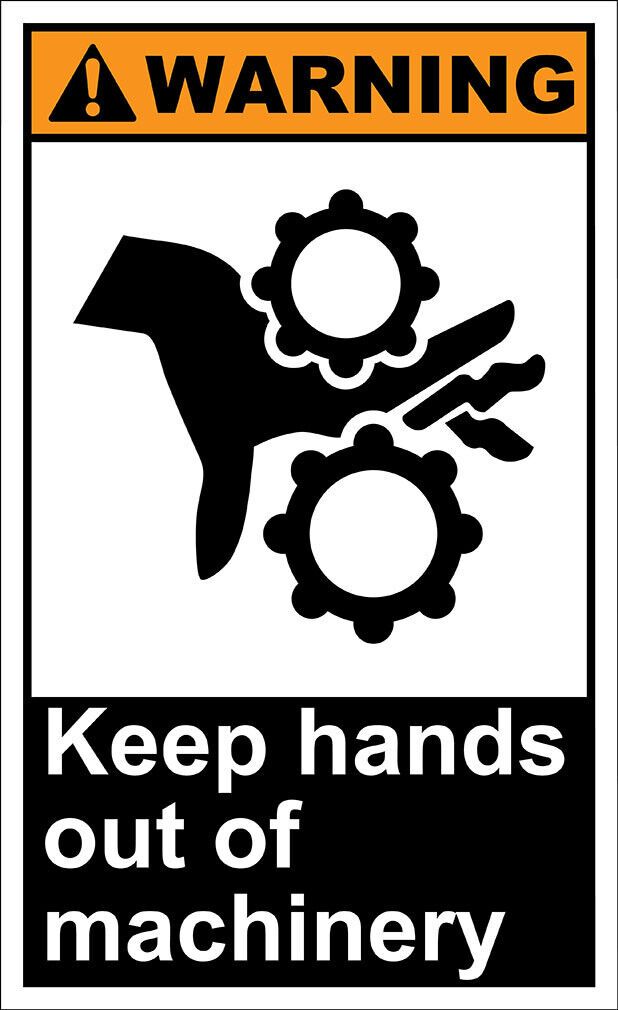
Enclosures and Guards: Physical barriers preventing operator contact with hazardous areas during operation. Interlocked doors stopping machine when opened; fixed guards for non-access areas; and adjustable guards accommodating various workpiece sizes. Guard design maintains visibility for operation monitoring while ensuring protection.
Emergency Stopping: Readily accessible emergency stop devices (e-stop buttons, pull cords) immediately halting machine motion. Category of stop (0, 1, or 2) determines braking method; reset procedures prevent inadvertent restart; and regular testing ensures function.
Control System Safety: Safety-rated control systems (Category 3 or 4 per ISO 13849) monitoring critical functions. Dual-channel safety circuits; self-monitoring for faults; and fail-safe design ensuring safe state upon failure.
| Hazard | Source | Safeguarding Method | Standard Reference |
|---|---|---|---|
| Contact with tool | Rotating cutter | Enclosures, interlocks | ISO 12100, ISO 14120 |
| Projectiles | Tool breakage, chips | Enclosures, PPE | ISO 23125 |
| Entanglement | Rotating spindles | Guards, training | OSHA 1910.212 |
| Crushing | Moving axes | Enclosures, safeguarding | ISO 14119 |
| Electrical | Control systems | Enclosures, grounding | IEC 60204-1 |
| Noise | Cutting, vacuum | Enclosures, PPE | OSHA 1910.95 |
| Dust | Material cutting | Extraction, PPE | OSHA 1910.1000 |
Operational Safety Procedures
Lockout/Tagout (LOTO): Procedures ensuring machine energy isolation during maintenance or setup. Lockout devices preventing unexpected startup; authorized personnel only; verification of zero energy state; and documentation of LOTO events.
Safe Work Procedures: Written procedures for all operations including:
- Machine startup and shutdown sequences
- Workpiece loading and securing
- Tool changing protocols
- Maintenance and cleaning procedures
- Emergency response actions
Operator Training: Comprehensive training covering:
- Machine operation and controls
- Hazard recognition and avoidance
- Safe work procedures
- PPE requirements and use
- Emergency procedures
- Basic maintenance and troubleshooting
Training documentation; competency verification; refresher training schedule; and authorization levels based on demonstrated competence.
Environmental and Health Hazards
Dust Extraction: Wood dust classified as carcinogenic (IARC Group 1); other material dusts present respiratory hazards. Local exhaust ventilation (LEV) at source; duct velocity maintaining transport; filtration (bag filters, HEPA for fine dust); and regular system maintenance and inspection.
Noise Control: CNC operations generate noise potentially exceeding exposure limits. Machine enclosures reducing noise emission; hearing protection (earmuffs, plugs) when engineering controls insufficient; and noise monitoring ensuring compliance with 85 dB(A) action level.
Chemical Exposure: Cutting coolants, lubricants, and cleaning solvents present skin and inhalation risks. Material Safety Data Sheets (MSDS) for all chemicals; appropriate PPE (gloves, respirators when required); ventilation; and spill containment.
Fire and Explosion: Wood dust explosion risk; flammable material storage; hot work permits; and fire detection and suppression systems.
Material-Specific Hazards
Wood and Composites: Dust generation primary hazard; some composite materials (MDF, particleboard) contain formaldehyde; and fire risk from dust accumulation.
Plastics: Thermal decomposition producing hazardous fumes if overheated; static electricity; and some materials (PVC) releasing chlorine gas if burned.
Metals: Sharp chips causing cuts; coolant mist inhalation; heavy lifting; and some metals (beryllium copper, leaded alloys) toxic.
Composites: Fiberglass and carbon fiber dust respiratory hazards; epoxy resin sensitization; and electrical conductivity of carbon fiber.
Regulatory Compliance
Machine Directive (EU): 2006/42/EC Machinery Directive applicable to machine manufacturers and importers. Essential health and safety requirements; CE marking; technical documentation; and user instructions.
OSHA Standards (US): 29 CFR 1910 subpart O ( Machinery and Machine Guarding); specific standards for woodworking (1910.213); and general industry standards applicable to CNC operations.
Local Regulations: Kenyan Occupational Safety and Health Act (OSHA 2007) and subsidiary regulations. Factory inspection and certification; accident reporting; and worker compensation requirements.
Safety Management Systems
Risk Assessment: Systematic identification and evaluation of hazards. Job hazard analysis; machine-specific risk assessment; regular review and update; and documentation of controls implemented.
Incident Investigation: Root cause analysis of accidents and near-misses. Corrective action implementation; trend analysis; and prevention of recurrence.
Safety Culture: Management commitment to safety; worker involvement in safety programs; recognition and reward for safe behavior; and continuous improvement.
Luna Graphics maintains comprehensive safety programs ensuring worker protection and regulatory compliance. Our safety record reflects commitment to safe operations; our training programs develop competent, safety-conscious operators; and our facilities meet or exceed safety standards. Contact us to discuss safety practices or arrange facility visits observing our safety protocols.
Written by Ian Love
Marketing Director
Professional contributor at Luna Graphics specializing in printing and branding solutions.