
Sustainability Through Reusable Design
Event industry environmental impact has prompted increasing focus on sustainable practices, with reusable structures representing significant opportunity for waste reduction. CNC cutting enables sophisticated reusable systems through precision manufacturing ensuring consistent assembly, durable construction, and modular adaptability. Investment in quality reusable elements amortizes across multiple events, reducing per-event environmental footprint while improving economic returns.
The challenge lies in designing systems flexible enough for diverse event requirements while standardized enough for manufacturing efficiency and inventory management. CNC cutting's digital nature supports this balance—designs modify for specific events while connection systems and component standards remain consistent.
This guide examines strategies for designing, producing, and managing reusable CNC-cut event structures.
Modular System Design
Standardized Connections: Reusable systems rely on standardized connection methods enabling various configurations. CNC-cut connection features—slots, tabs, holes, or hardware mounts—repeat across component types. Common systems include:
- Bolt-together framing with CNC-cut brackets and connectors
- Slot-and-tab systems for tool-free assembly
- Cam-lock or similar quick-connect hardware
- Magnetic or mechanical panel attachment
Dimensional Standards: Component sizing based on modular dimensions enables flexible arrangement. Common modules (600mm, 1200mm, 2400mm) accommodate transport constraints while providing building blocks for various scales. CNC cutting precision ensures modules align regardless of production batch.
| Component Type | Function | CNC Features | Reusability Factors |
|---|---|---|---|
| Frame members | Structure, support | Connection holes, slots | Durability, repairability |
| Panels | Surfaces, graphics | Edge details, mounting features | Finish durability, updateability |
| Corners/joints | Direction change | Precision angles, connections | Standardization, strength |
| Bases/feet | Stability, leveling | Adjustability, anchoring | Versatility, stability |
| Hardware | Connection, hanging | Mounting features | Standardization, availability |
Material Selection for Longevity
Durability vs. Weight: Reusable structures must withstand repeated assembly, transport, and use without degradation. Material selection balances durability against weight (affecting transport cost and handling):
- Aluminum: Excellent durability-to-weight ratio; corrosion resistant; recyclable. Higher initial cost offset by longevity.
- Steel: Ultimate durability for high-stress applications; heavier; requires corrosion protection.
- Birch Plywood: Good strength and durability; repairable; warm appearance. Edge sealing and finish protection critical.
- Aluminum Composite: Rigid, lightweight, durable faces; suitable for panels; limited structural application.
- High-Density Plastics: HDPE, phenolic, or engineered plastics for specific applications; excellent durability; higher cost.
Finish Durability: Surface finishes must withstand handling and cleaning between events. Powder coating (metals); laminates or high-durability paints (wood); anodizing (aluminum). Finish selection significantly affects component lifespan.
Storage and Transport Efficiency
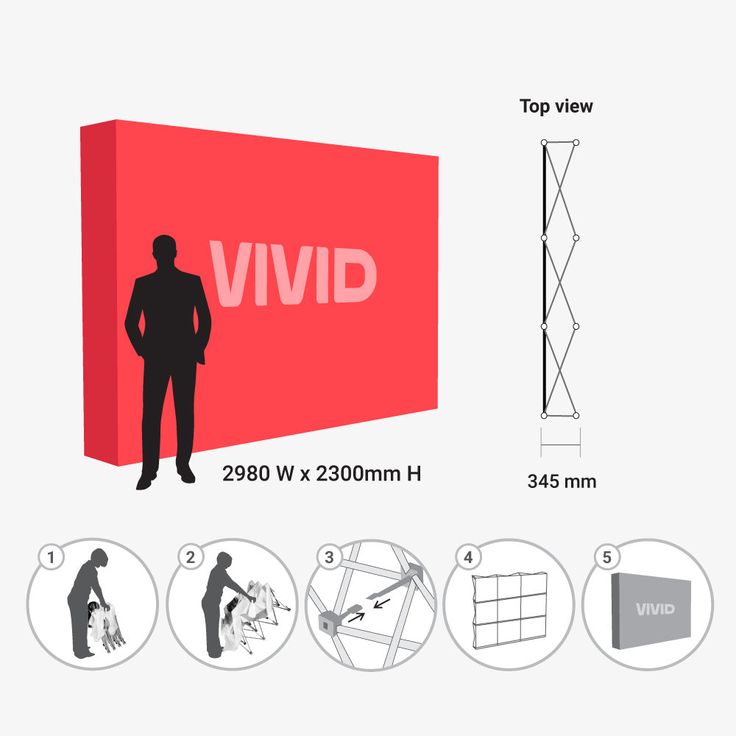
Flat-Pack Design: Components designed for efficient flat storage minimizing warehouse footprint and transport volume. Panel elements store stacked; frame members bundle; hardware organized in compartmentalized cases.
Nesting and Stacking: Component shapes optimized for nesting (efficient arrangement minimizing empty space) or stacking (stable vertical storage). CNC-cut features may include stacking locators or nesting guides.
Protective Packaging: Reusable components require protection during transport and storage. Custom foam inserts CNC-cut to component shapes; padded bags or wraps; hard cases for delicate elements. Packaging itself reusable and durable.
Inventory Management: Tracking systems manage component inventory—quantities, condition, location, and history. Barcode or RFID identification; database tracking usage and maintenance; rotation ensuring even wear across inventory.
Adaptability and Reconfiguration
Graphic Updateability: Reusable structures accommodate changing graphics through:
- Replaceable graphic panels or inlays
- Tension fabric systems with changeable skins
- Applied graphics removable without substrate damage
- Chalkboard or whiteboard surfaces for temporary messaging
Scale Modularity: Systems configurable for various event scales—small meeting to large exhibition—using common components. Additive design: small configuration plus additional modules equals large configuration. Reduces inventory requirements while serving diverse needs.
Multi-Event Versatility: Design systems serving various event types—corporate, social, exhibition—through appropriate finish and graphic treatments. Neutral structural systems adaptable through applied graphics and accessories.
Lifecycle Management
Maintenance Protocols: Regular inspection and maintenance extends component life. Inspection schedules; touch-up painting; hardware replacement; structural repair procedures. Documented maintenance history informs replacement decisions.
Repair vs. Replace: CNC-cut components often repairable—damaged sections replaced, finishes renewed, hardware updated. Repair economics favor quality reusable systems; repair capability requires design consideration (modular replacement parts, accessible fasteners).
End-of-Life Planning: Eventually, components reach end of useful life. Design for disassembly enables material separation and recycling. Material selection favoring recyclability; documentation of material content; take-back programs with suppliers.
Economic Analysis
Total Cost of Ownership: Evaluate reusable systems across projected lifespan, not merely initial cost. Factors include:
- Initial manufacturing investment
- Storage costs (warehouse space)
- Transport costs (frequency and distance)
- Maintenance and repair
- Labor for assembly/disassembly
- Disposal or residual value
Break-Even Analysis: Reusable systems typically cost 3-5x single-use equivalents but break even after 4-8 uses depending on specific costs. High-frequency users (rental companies, frequent exhibitors) benefit most; occasional users may prefer rental services.
Rental Model: Investment in reusable systems enables rental services to other event producers. Quality CNC-cut inventory differentiates rental offerings; maintenance investment ensures reliability; broad inventory serves diverse client needs.
Sustainability Certification
Environmental Claims: Reusable structures support sustainability certifications (ISO 20121 for sustainable events; LEED for venue construction). Documented reuse quantifies waste reduction; material selection affects environmental impact; end-of-life planning demonstrates responsibility.
Carbon Footprint: Lifecycle analysis comparing reusable vs. disposable options typically favors reusable systems despite transport emissions, due to avoided material production for each event. Local production and regional inventory reduce transport impact.
Luna Graphics designs and manufactures reusable event structures for rental inventory and client investment. Our systems balance durability, flexibility, and efficiency, providing sustainable alternatives to disposable event construction. Contact our sustainable design specialists to discuss reusable solutions for your event program.
Written by Ian Love
Marketing Director
Professional contributor at Luna Graphics specializing in printing and branding solutions.