
Expanding CNC Cutting into Metals
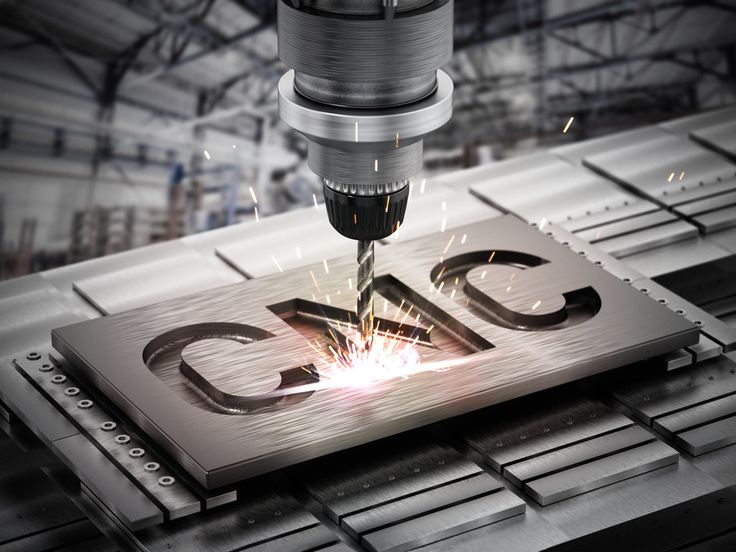
CNC cutting of aluminum and soft metals extends precision manufacturing capabilities beyond traditional wood and plastic applications, enabling durable, structural components for signage, architecture, and industrial use. While requiring more robust equipment and specialized parameters than softer materials, modern CNC routers with appropriate spindles and tooling machine non-ferrous metals effectively, bridging the gap between routing and milling operations.
The distinction between "CNC cutting" (routing) and "CNC machining" (milling) blurs with metal applications. Industrial CNC routers handle aluminum sheet and plate efficiently; heavier milling centers address thick stock and harder alloys. Understanding equipment capabilities and material requirements ensures appropriate method selection for specific metal cutting needs.
Kenyan metal CNC cutting serves growing architectural metalwork sector, signage industry requiring durable exterior materials, and industrial fabrication needs. Aluminum composite panels (ACP) dominate signage applications, while solid aluminum and brass serve premium architectural and decorative uses.
Aluminum CNC Cutting
Alloy Selection: Aluminum alloys vary significantly in machinability. 1xxx series (pure aluminum) and 3xxx series (manganese alloy) offer excellent machinability for general applications. 5xxx series (magnesium alloy) provides good machinability with improved strength and corrosion resistance, popular for marine and architectural use. 6xxx series (magnesium-silicon, including 6061) machines well with excellent structural properties, widely used for structural components. 7xxx series (zinc alloy) offers highest strength but more challenging machining.
Material Forms: Sheet aluminum (0.5-6mm) cuts efficiently on quality CNC routers with appropriate spindles. Plate aluminum (6-25mm+) requires more robust equipment and slower parameters. Aluminum composite panels (ACP)—thin aluminum skins bonded to polyethylene core—cut very easily, popular for signage due to rigidity, light weight, and foldability after V-cutting.
| Aluminum Type | Thickness Range | Spindle Power Needed | Cutting Speed | Primary Applications |
|---|---|---|---|---|
| Sheet (soft alloys) | 0.5-3mm | 3HP+ | 8-15 m/min | Signage, decorative panels |
| Sheet (structural) | 3-6mm | 5HP+ | 5-10 m/min | Architectural, structural |
| Plate | 6-12mm | 10HP+ | 3-6 m/min | Heavy components, industrial |
| ACP (3mm) | 3mm total | 3HP+ | 15-25 m/min | Signage, cladding |
| ACP (4-6mm) | 4-6mm total | 5HP+ | 10-20 m/min | Large signage, architectural |
Cutting Parameters: Aluminum machining requires slower speeds than wood or plastic due to material density and heat generation. Spindle speeds typically 12,000-18,000 RPM (slower than wood cutting), with feed rates 3-15 meters/minute depending on thickness and alloy. Chip load (advance per flute per revolution) critical—too aggressive causes tool breakage; too conservative creates rubbing and heat buildup.
Tooling Requirements: Carbide tools essential; high-speed steel inadequate for aluminum volume cutting. Single-flute or two-flute tools preferred over multi-flute designs for chip evacuation in routing applications. Tool coatings (TiN, TiAlN) extend life but sharp uncoated carbide often performs best for aluminum preventing material buildup. Tool diameter affects rigidity—larger tools (6-12mm) handle heavy cutting; smaller tools (3-4mm) for detail work.
Cooling and Lubrication: Heat management crucial for aluminum cutting quality and tool life. Options include:
- Mist coolant: Compressed air with small coolant volume, effective for most routing applications
- Flood coolant: Continuous liquid cooling, standard on CNC mills, messy for routers
- Compressed air: Chip evacuation and some cooling, minimum mess
- Dry cutting: Possible with proper parameters and tooling, requires excellent chip evacuation
Other Non-Ferrous Metals
Brass: Copper-zinc alloys machine similarly to aluminum though with greater work-hardening tendency. Sharp tooling and adequate chip evacuation essential; dull tools create work-hardened surfaces resisting further cutting. Attractive gold appearance suits decorative applications, signage, and architectural elements. Free-machining brass (C36000) offers best CNC cutting characteristics.
Copper: Pure copper's high ductility makes machining challenging—tends to gum on tools and create burrs. Oxygen-free copper slightly better than electrolytic tough pitch. Sharp, polished tools with high rake angles improve cutting. Applications include electrical components, heat sinks, and decorative elements where conductivity or color desired.
Bronze: Copper-tin alloys vary widely in machinability depending on composition. Leaded bronzes machine freely; aluminum bronzes more difficult. Generally machines similarly to brass with appropriate parameter adjustment. Applications include bearings, bushings, marine hardware, and sculpture.
Aluminum Composite Panel (ACP) Processing
ACP represents the most commonly CNC-cut metal material in Kenyan signage and architectural markets. The sandwich construction—typically 0.2-0.5mm aluminum skins over 3-6mm polyethylene core—combines metal appearance with light weight, rigidity, and easy fabrication.
Profile Cutting: Standard routing cuts ACP cleanly with carbide tooling. High spindle speeds (18,000-24,000 RPM) and moderate feeds (15-25 m/min) optimize edge quality. Single-pass cutting possible for 3mm material; thicker panels may benefit from multi-pass approaches. Edge quality generally excellent, though core exposure at edges requires sealing for exterior applications.
V-Cutting and Folding: Specialized V-bits cut partial-depth grooves through outer skin and core, leaving inner skin intact as hinge. This enables precise folding for channel letters, tray signs, and architectural forms. V-cut angle (typically 90° or 120°) and depth determine fold characteristics. Post-fold, corners welded or joined with specialized adhesives.
Routing and Pocketing: ACP machines well for recessed areas, mounting features, and decorative relief. Careful depth control prevents cutting through bottom skin unless specified. Applications include sign faces with recessed lettering, architectural panels with textured surfaces, and functional features.
Applications and Design Considerations
Signage and Wayfinding: Aluminum and ACP provide weather-resistant, durable signage substrates. CNC cutting creates dimensional lettering, logo elements, and panel shapes with precision. Exterior durability exceeds wood and most plastics; anodized or painted finishes provide color options. Structural aluminum supports large installations; ACP offers economical lightweight alternatives.
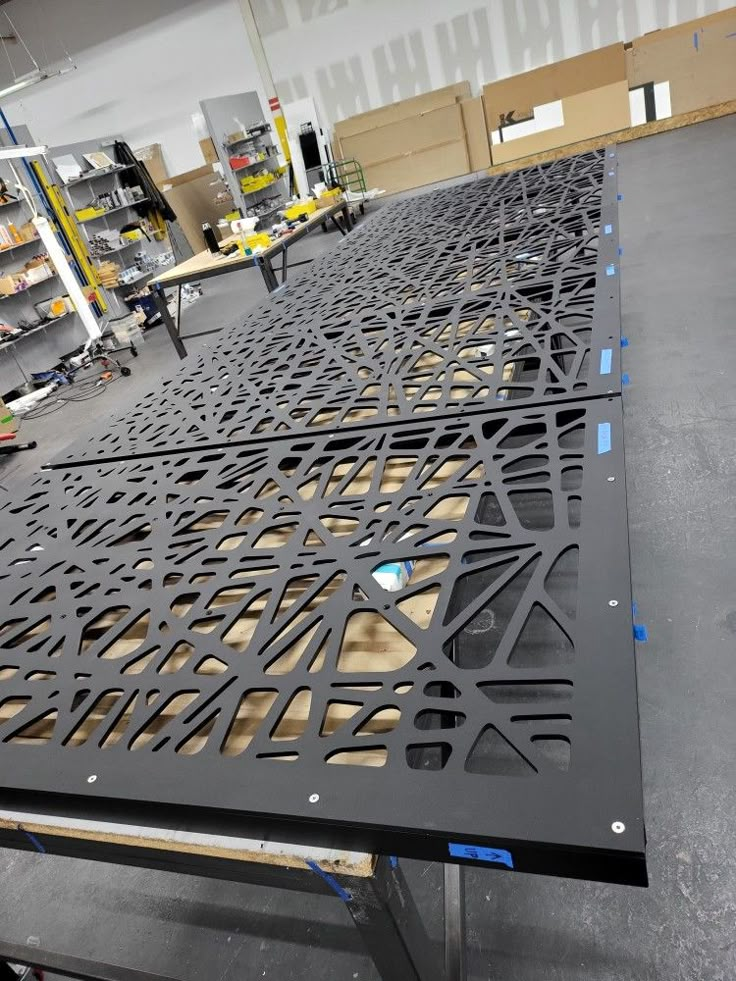
Architectural Cladding: Metal panel systems CNC cut with perforation patterns, relief textures, and custom shapes enhance building exteriors and interiors. Aluminum's weather resistance and light weight suit large installations. Folded ACP creates rigid panels with concealed fastening systems.
Industrial Components: Aluminum brackets, housings, and fixtures CNC cut for equipment manufacturing. Thermal conductivity makes aluminum ideal for heat sinks and thermal management components. Electrical enclosures, machine guards, and automation components benefit from aluminum's combination of light weight, strength, and machinability.
Decorative and Artistic: Brass and copper CNC cutting creates premium decorative elements, signage, and art pieces. Metal's inherent value and durability justify higher material costs for appropriate applications. Patina finishes, polishing, and clear coatings provide diverse aesthetic options.
Technical Challenges and Solutions
Burr Formation: Metal cutting inevitably creates burrs—raised edges requiring removal. Deburring methods include manual filing, sanding, tumbling, and specialized deburring tools. Design considerations—avoiding sharp internal corners, specifying break edges—reduce deburring burden. Some applications accept minor burrs; others (food contact, high-precision mechanical) require complete removal.
Workholding: Metal cutting forces exceed wood/plastic applications, requiring robust workholding. Vacuum tables effective for sheet materials with adequate airflow; mechanical clamps for smaller parts or heavy cutting. Preventing workpiece movement critical—metal cutting forces can shift inadequately held material causing tool breakage or dimensional error.
Chip Management: Metal chips unlike wood dust—sharp, heavy, and potentially damaging to finished surfaces. Effective extraction essential; chip recutting damages tools and surface finish. Magnetic chip conveyors or specialized extraction for ferrous metals; standard systems adequate for non-ferrous.
Tool Wear: Metal cutting consumes tooling faster than softer materials. Tool life monitoring and scheduled replacement prevent quality degradation. Tooling costs significant in metal cutting economics—factor into pricing and planning.
Luna Graphics operates CNC metal cutting capabilities serving Kenya's signage, architectural, and industrial sectors. Our equipment handles aluminum, brass, and ACP with precision and efficiency, delivering durable metal components for demanding applications. Contact our technical team to discuss your metal CNC cutting requirements and discover robust solutions for your projects.
Written by Ian Love
Marketing Director
Professional contributor at Luna Graphics specializing in printing and branding solutions.