
Rigid Substrate Advantages
Rigid board printing offers dimensional stability, premium presentation, and durability exceeding flexible materials. Unlike vinyl banners or paper posters requiring tensioning or framing, rigid substrates self-support or mount flush to surfaces without additional infrastructure. This structural integrity suits permanent signage, architectural graphics, and high-end displays where professional appearance justifies investment.
Direct printing onto rigid materials eliminates lamination and mounting steps required for flexible graphic application, reducing labor and potential failure points. UV-curable and latex printing technologies bond inks directly to substrate surfaces creating scratch-resistant, weatherproof images integral to the material.
PVC Foam Board (Forex, Sintra, Celtec)
Expanded PVC foam board represents the most common rigid substrate, known by brand names including Forex, Sintra, and Celtec. This material sandwiches dense PVC foam between smooth, hard surfaces, creating lightweight rigidity. Available thicknesses from 2mm to 19mm accommodate various structural requirements.
Key specifications include: cell structure (closed-cell prevents moisture absorption), surface finish (matte or gloss), and density (measured in kg/m³ affecting screw holding and impact resistance). Premium grades offer UV-stabilized formulations preventing yellowing and brittleness in outdoor exposure.
Applications span signage, exhibition displays, point-of-purchase fixtures, and architectural models. 3-5mm thickness suits indoor wall graphics and temporary displays; 10mm provides freestanding sign rigidity; 19mm supports structural elements and outdoor signage.
Printing compatibility is excellent with UV-curable inks adhering tenaciously to PVC surfaces. Latex printing performs well on properly prepared boards. Solvent inks may attack foam structure and are generally avoided. Direct print durability matches or exceeds vinyl graphic application.
Acrylic and Polycarbonate
Acrylic (polymethyl methacrylate, PMMA) provides glass-like clarity and premium aesthetics. Cast acrylic offers superior optical quality and chemical resistance versus extruded grades. Applications include corporate signage, awards, display cases, and architectural elements requiring sophistication.
Printing on acrylic utilizes UV-curable inks or reverse printing (second-surface) protecting graphics behind clear material. Face-mounted vinyl graphics provide alternative application methods. Thicknesses from 2mm to 25mm suit various applications.
Polycarbonate offers impact resistance exceeding acrylic (virtually unbreakable) with slightly reduced optical clarity. Safety applications, machine guards, and high-traffic environments benefit from polycarbonate durability. Printing compatibility similar to acrylic.
Aluminum Composite Panels (ACP)
Aluminum composite panels (Dibond, Alucobond, Reynobond) sandwich polyethylene core between aluminum skins (typically 0.2-0.5mm thickness). This construction provides exceptional flatness, rigidity-to-weight ratio, and weather resistance.
Applications include building signage, fascia identification, and long-term outdoor displays. Direct UV printing creates durable graphics; vinyl graphic application provides alternative. Material thickness (2-6mm total) determines structural capability.
Cutting and fabrication require specialized tools—router, CNC, or panel saw. V-grooving enables bending for dimensional signage. Installation utilizes various systems including standoffs, rail mounts, and structural silicone.
Specialty Board Materials
Gatorfoam and Falconboard provide paper-faced foam structures offering economy and environmental benefits. These materials suit indoor, short-term applications where premium PVC is unnecessary. Paper surfaces accept various printing methods but lack weather resistance.
Corrugated plastic (Correx, Coroplast) offers economy for temporary outdoor applications. Fluted construction provides some rigidity at very low cost. Political signs, real estate signage, and event directional systems commonly utilize corrugated plastic despite limited durability (6-12 months).
Wood and MDF substrates enable rustic or premium natural aesthetics. Direct UV printing or vinyl graphic application both perform well. Sealing and edge treatment required for moisture protection.
Printing Technologies for Rigid Substrates
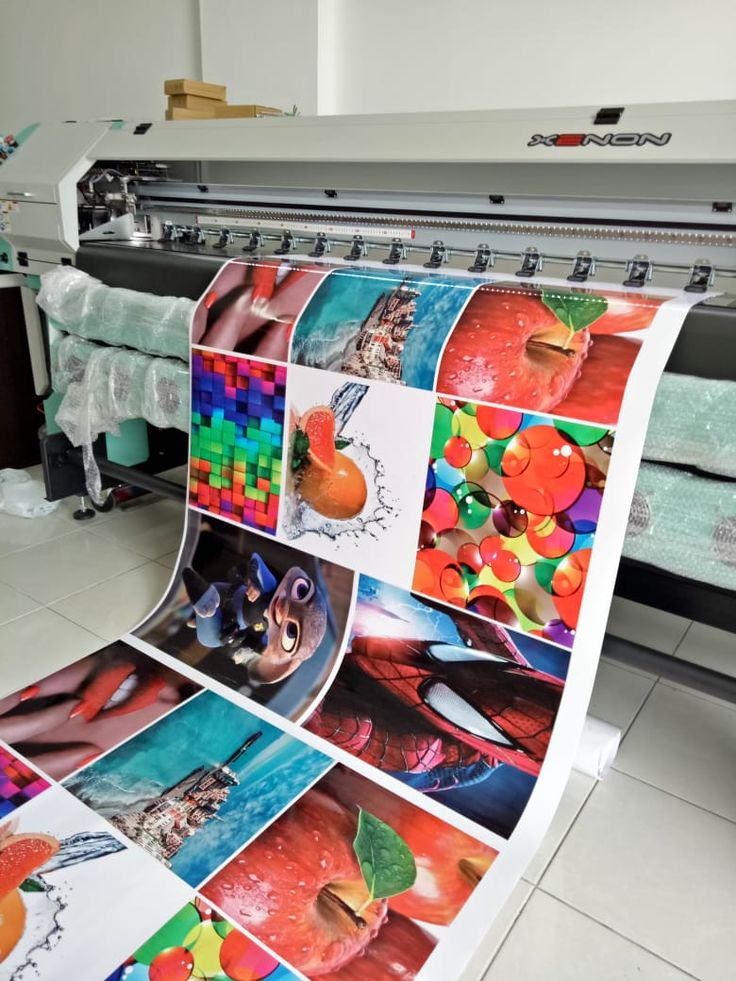
Flatbed UV printers dominate rigid substrate production, accommodating materials up to 50mm thickness and 3.2 x 2.0 meter dimensions. Instant curing enables immediate handling and finishing. White ink capability prints on colored or transparent substrates.
Hybrid printers handle both roll-fed flexible materials and rigid boards up to limited thickness (typically 10mm). These systems offer versatility for mixed production environments but may lack dedicated flatbed speed and thickness capacity.
Latex printing on rigid materials requires mounting flexible prints to boards using adhesive or mechanical systems. This two-step process adds labor but enables production on systems lacking flatbed capability.
Finishing and Fabrication
CNC routing creates precise shapes, letters, and dimensional elements. Computer-controlled cutting achieves tolerances impossible with manual methods. Beveled edges, complex curves, and intricate details enhance visual interest.
Edge finishing elevates appearance and safety. Polished acrylic edges create gem-like clarity; painted PVC edges match graphic colors; routered edges provide decorative profiles. Edge treatment prevents moisture infiltration in outdoor applications.
Mounting hardware selection affects installation ease and appearance. Standoffs create dimensional separation from walls; cleat systems enable secure hanging; adhesive mounting provides flush, hardware-free appearance.
Cost and Application Guidelines
PVC foam board costs KES 2,500-4,500 per square meter printed, varying by thickness and grade. Acrylic ranges KES 4,000-8,000/sqm; aluminum composite KES 3,500-6,000/sqm. These costs include printing but exclude fabrication and installation.
Material selection balances durability needs against budget. Temporary event graphics suit economy foam board; permanent architectural signage justifies aluminum composite or acrylic investment.
Luna Graphics operates flatbed UV and hybrid printing systems accommodating rigid substrates to 50mm thickness and 3.2 meter width. CNC routing, edge finishing, and installation services provide comprehensive rigid board solutions. Contact our technical team for material specification guidance.
Written by Ian Love
Marketing Director
Professional contributor at Luna Graphics specializing in printing and branding solutions.