
The Architectural Significance of Fascia Signage
Building fascia signage represents the primary architectural identity statement for commercial properties, establishing presence, communicating brand or ownership, and contributing to streetscape character through integration with building design. The fascia—the vertical band connecting building facade to roofline or architectural crown—provides prominent, protected positioning for signage visible along street corridors and from approaching traffic. For Kenyan commercial buildings—from CBD towers to suburban retail to industrial facilities—fascia signage quality significantly impacts property perception and value.
Effective fascia signage balances visibility requirements with architectural respect, enhancing rather than compromising building design through appropriate scale, materials, and mounting methods. This balance requires understanding of architectural styles, structural considerations, regulatory constraints, and branding objectives informing integrated design solutions.
Fascia Signage Types and Applications
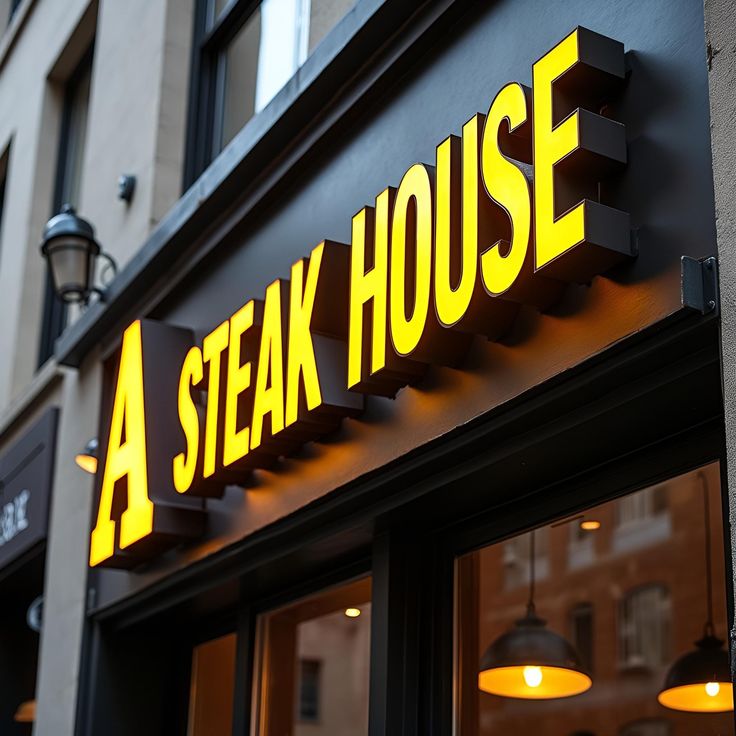
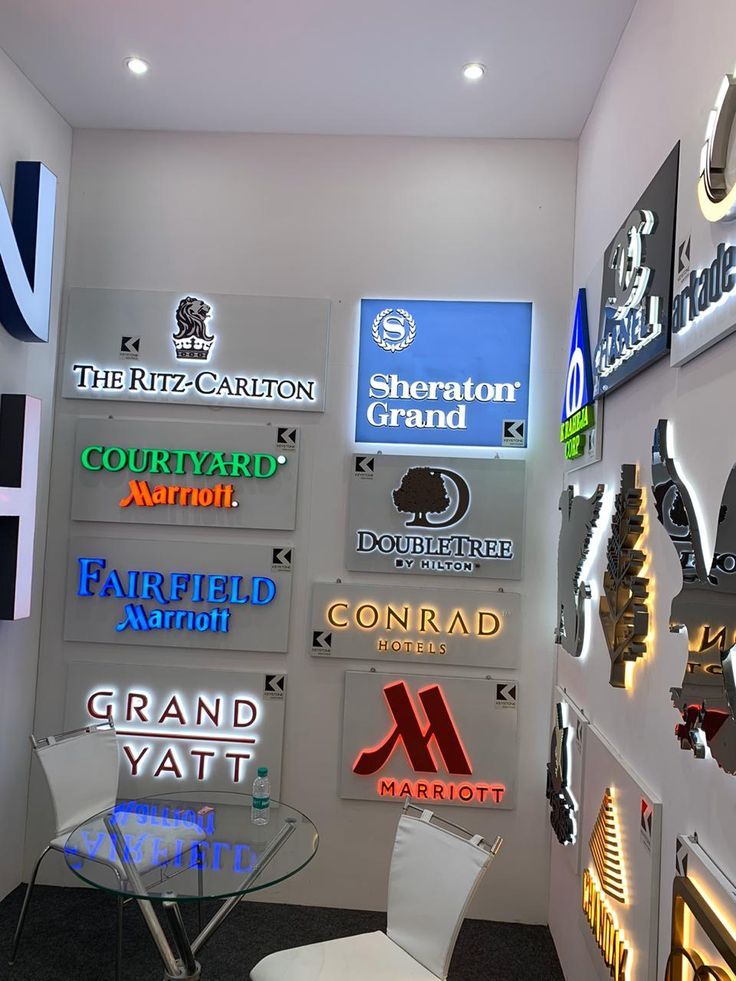
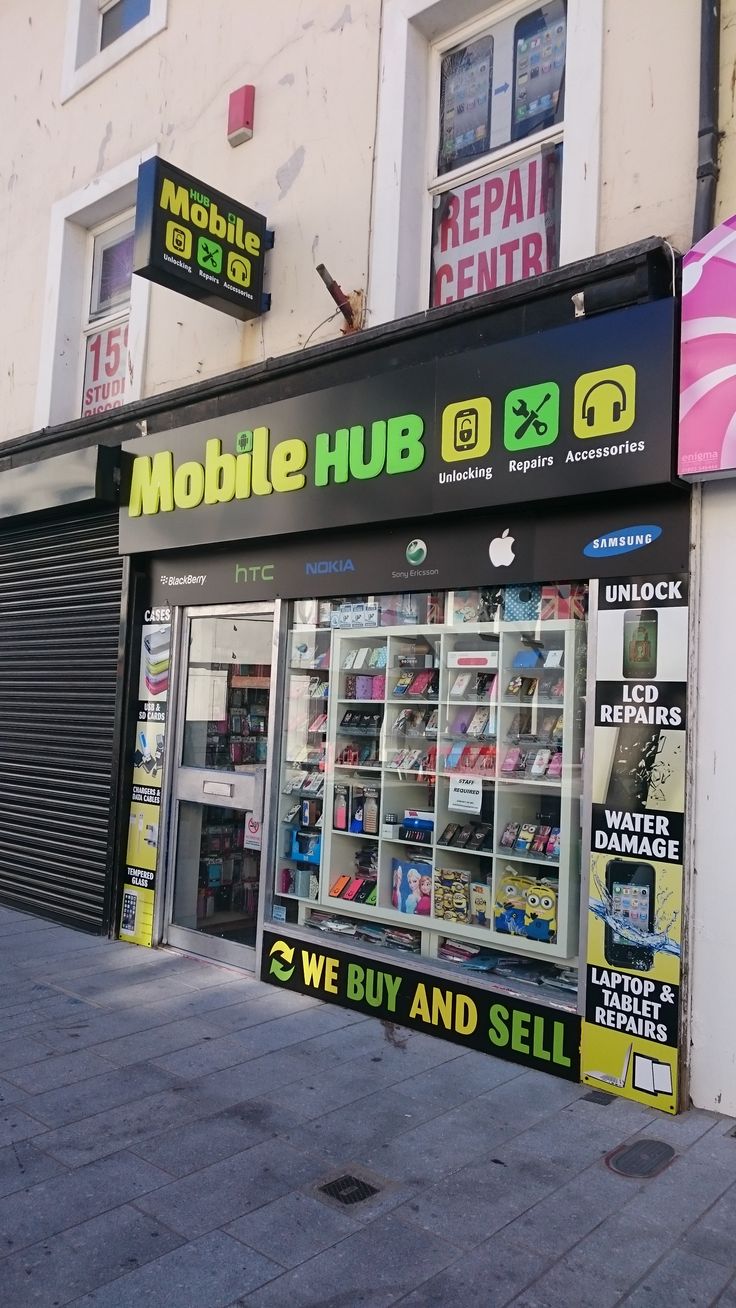
Fascia signage encompasses diverse formats: individual dimensional letters mounted directly to facade; cabinet signs with illuminated faces spanning fascia length; blade signs projecting perpendicular for sidewalk visibility; and integrated architectural elements where signage becomes building feature. Format selection depends on building architecture, visibility requirements, tenant configuration, and regulatory context.
For single-tenant buildings, fascia signage typically presents occupant identity with maximum prominence and architectural integration. Multi-tenant buildings require coordinated systems identifying multiple occupants while maintaining visual order and fairness. For Kenyan commercial developments, fascia signage standards in lease agreements and design guidelines ensure cohesive streetscape presentation.
| Fascia Type | Construction | Best Applications | Considerations |
|---|---|---|---|
| Individual letters | Dimensional characters, various materials | Single tenant, architectural integration, premium positioning | Mounting structure, letter size, illumination wiring |
| Raceway/cabinet | Long housing containing multiple elements | Multi-tenant, economical illumination, retrofit applications | Visual bulk, maintenance access, tenant changes |
| Backlit panel | Translucent face with internal lighting | Contemporary buildings, graphic flexibility, even illumination | Structural loading, electrical access, graphic changeout |
| Blade/projecting | Perpendicular mounting for sidewalk visibility | Pedestrian districts, narrow facades, competition | Structural engineering, clearance requirements, wind loading |
| Integrated architectural | Signage as building design element | Landmark buildings, prestige developments, design awards | Architectural coordination, permanence, investment level |
| Banner/track | Flexible graphics in tensioning systems | Temporary, changing tenants, economical applications | Durability, wind resistance, maintenance |
Architectural Integration Principles
Fascia signage should respond to architectural character—contemporary buildings suit sleek, minimal signage; traditional architecture warrants classic lettering and materials; industrial facilities accommodate robust, functional presentation. Scale relationships between signage and building massing prevent overwhelming or underwhelming visual impact. Color and material selection should complement or intentionally contrast building finishes.
Mounting methods significantly impact architectural integration—flush mounting creates integrated appearance; standoff mounting creates shadow and dimension; and concealed mounting systems eliminate visible hardware. For heritage or architecturally significant Kenyan buildings, reversible mounting preserving original fabric may be required. Luna Graphics provides architectural consultation ensuring signage enhances building character.
Material Selection for Durability and Appearance
Fascia signage materials must withstand environmental exposure including intense UV, rainfall, temperature cycling, and pollution while maintaining appearance and structural integrity. Aluminum remains predominant for dimensional letters and cabinets due to lightweight, corrosion resistance, and finish versatility. Stainless steel provides premium appearance and maximum durability at higher cost. Acrylic and polycarbonate offer illumination capability and color options.
Finishes including paint, anodizing, or metal coatings must be specified for color retention and weather resistance appropriate to Nairobi's climate. For illuminated applications, LED technology provides efficiency and longevity with minimal maintenance access requirements. Luna Graphics provides material specification ensuring fascia signage durability and appearance retention.
Illumination Strategies
Illuminated fascia signage extends visibility into evening hours when commercial activity continues and competition for attention intensifies. Face illumination through translucent materials provides bright, even presentation; halo illumination creates sophisticated glow; and exposed neon or LED provides contemporary industrial aesthetic. For Nairobi commercial districts with active night economies, illumination is essential rather than optional.
Energy efficiency and reliability considerations favor LED technology, with solar power options available for appropriate applications. Lighting design should avoid light pollution and neighbor intrusion while ensuring adequate visibility. Control systems enable automatic operation and dimming.
Structural Engineering and Safety
Fascia signage must be engineered for wind loading, seismic forces, and structural integration appropriate to building construction and signage scale. Mounting systems must penetrate weather barriers without compromising building envelope integrity. Electrical systems require grounding, surge protection, and code-compliant installation.
For Kenyan buildings, engineering calculations should address local wind conditions and structural capacities, with professional engineering review for large or complex installations. Safety considerations include fall protection for maintenance, electrical safety, and structural redundancy preventing catastrophic failure.
Regulatory Compliance and Permitting
Fascia signage requires permits from Nairobi City County or relevant authorities, with review of size, placement, illumination, and structural safety. Historic district or design review overlay districts may impose additional aesthetic standards. Lease agreements and building codes may restrict signage location and type.
Professional signage providers navigate regulatory requirements securing necessary approvals before installation. Non-compliant signage risks enforcement action including removal orders and fines. For property owners, ensuring tenant signage compliance protects against liability.
Tenant Coordination in Multi-Tenant Buildings
Multi-tenant building fascia signage requires coordination ensuring fair visibility allocation and visual order. Signage standards typically specify maximum sizes, permitted locations, illumination restrictions, and design elements maintaining cohesive appearance. Master signage plans reserve fascia space for future tenants while accommodating current occupancy.
For Kenyan commercial developments, professional signage coordination prevents visual chaos degrading property value and tenant satisfaction. Luna Graphics provides tenant coordination services implementing signage standards while maximizing individual brand expression.
Maintenance and Longevity
Fascia signage maintenance includes cleaning, electrical service, and occasional component replacement ensuring continued appearance and function. Access methods—ladders, swing stages, or building maintenance systems—should be considered in design facilitating safe maintenance. LED longevity reduces maintenance frequency compared to legacy lighting.
Protective coatings and quality materials extend service life, with premium fascia signage providing 10-15 year durability in Nairobi conditions. Maintenance planning protects capital investment and sustained property presentation.
Conclusion: Fascia Signage as Property Investment
Building fascia signage, designed and executed professionally, enhances property value, establishes tenant identity, and contributes to urban visual quality. For Kenyan commercial property owners and tenants, fascia signage investment yields returns through visibility, credibility, and architectural distinction.
Luna Graphics provides comprehensive fascia signage services from architectural consultation and regulatory navigation through engineering, fabrication, installation, and maintenance. Our expertise ensures signage solutions integrating with building character while maximizing commercial impact. Contact our building signage specialists to discuss your fascia requirements and discover how primary building identification can elevate your property presence.
Written by Ian Love
Marketing Director
Professional contributor at Luna Graphics specializing in printing and branding solutions.