
The Fragmentation Challenge in Physical Branding
Brand consistency across physical touchpoints—print materials, signage, merchandise, vehicles, uniforms, and environments—represents significant operational challenge for Kenyan organizations. Multiple suppliers, varying production methods, diverse material substrates, and distributed locations create natural drift from brand standards. Inconsistent brand presentation confuses customers, dilutes equity, and signals organizational disorganization.
Kenyan market complexities compound consistency challenges: import-dependent materials with batch variations; local suppliers with limited color management capabilities; informal sector production (sign painters, small printers) outside quality systems; and rapid organizational growth outstripping brand governance capacity. Systematic brand management addresses these structural challenges.
Identity System Architecture
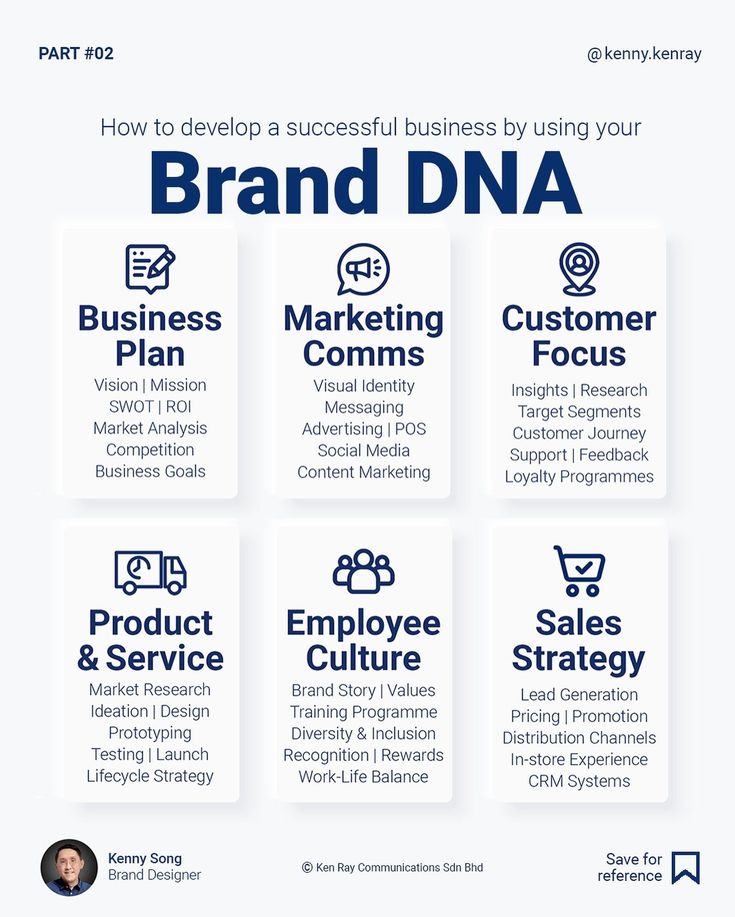
Comprehensive brand consistency requires documented systems: brand guidelines (color specifications, typography, imagery, logo usage, spacing, prohibited applications); master artwork files (vector logos, templates, approved imagery); material specifications (substrates, weights, finishes, durability standards); and production standards (color matching protocols, quality tolerances, approval workflows).
Digital asset management (DAM) systems centralize approved files ensuring all suppliers access current versions. Version control prevents outdated logo usage; usage rights management ensures legal compliance; and access permissions protect brand integrity. For Kenyan organizations, cloud-based DAM enables supplier access without physical file transfer.
| Touchpoint Category | Consistency Element | Control Mechanism | Common Failure | Prevention Strategy |
|---|---|---|---|---|
| Print Collateral | Color matching, paper stock | Pantone specs, vendor certification | Color drift across vendors | Approved vendor network |
| Signage | Illumination color, materials | Prototype approval, site surveys | Weather fading, LED color shift | Maintenance schedules, warranties |
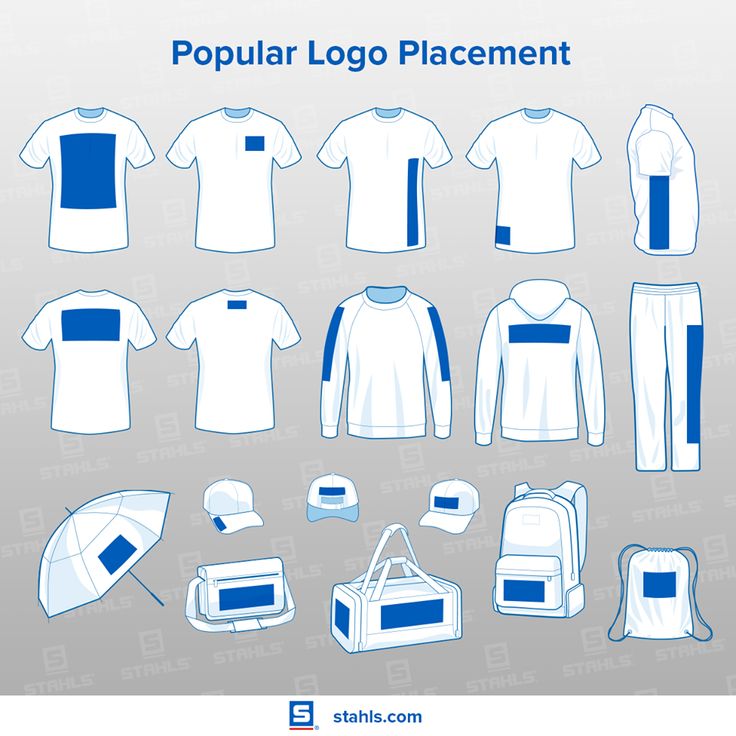
| Apparel | Fabric color, decoration method | Lab dips, sample approval | Dye lot variation, shrinkage | Bulk cutting, pre-shrinking |
| Vehicles | Graphic installation, color | Certified installers, 3M specs | Installation errors, bubbling | Installation oversight, training |
| Promotional Items | Logo reproduction, quality | Pre-production samples | Low-quality imports, color shift | Factory audits, inspections |
| Environments | Paint color, material match | Architectural standards | Maintenance patching, fading | Specification manuals, spare materials |
| Digital Screens | Color profile, brightness | Calibration protocols | Aging, environmental light | Regular calibration, replacement plans |
| Packaging | Structural integrity, print | Structural specs, print proofs | Supplier substitution | Audit rights, compliance testing |
Supplier Network Management
Consistent delivery requires curated supplier networks: pre-qualification (capability assessment, quality audits, financial stability); certification (brand-specific training, equipment calibration, process verification); and performance monitoring (quality scores, delivery reliability, issue resolution). Preferred supplier programs concentrate volume enabling quality investment and priority scheduling.
For Kenyan organizations, supplier diversification balances consistency risk—single-source dependencies create vulnerability; multiple sources enable comparison and backup; but excessive fragmentation prevents relationship investment and quality control. Three-tier structures (strategic partners for critical items, approved vendors for standard work, transactional suppliers for commodities) optimize control and flexibility.
Color Management and Reproduction
Color consistency across substrates and processes requires technical systems: Pantone Matching System (PMS) specifications for spot colors; CMYK builds for process printing with dot gain compensation; RGB values for digital display; and LAB specifications for colorimetric accuracy. Color management profiles (ICC) ensure device-independent color.
Proofing systems—digital proofs for content approval; press proofs ( Epson, Kodak) for color prediction; and site-specific lighting evaluation—reduce production surprises. For critical brand colors (corporate blues, signature reds), spectral measurement (densitometers, spectrophotometers) verifies reproduction accuracy beyond visual judgment.
Quality Control and Inspection Protocols
Systematic quality control prevents off-brand materials reaching customers: incoming inspection (substrate verification, color checking, quantity confirmation); in-process monitoring (registration, color consistency, finishing accuracy); and outgoing audit (sampling protocols, defect classification, corrective action). Statistical process control identifies trends before failures occur.
For distributed organizations (retail chains, bank branches, franchise networks), mystery shopper programs or photo documentation verify on-brand presentation. Regular brand audits assess consistency across locations; scorecards drive improvement; and recognition programs incentivize compliance.
Multi-Location Implementation
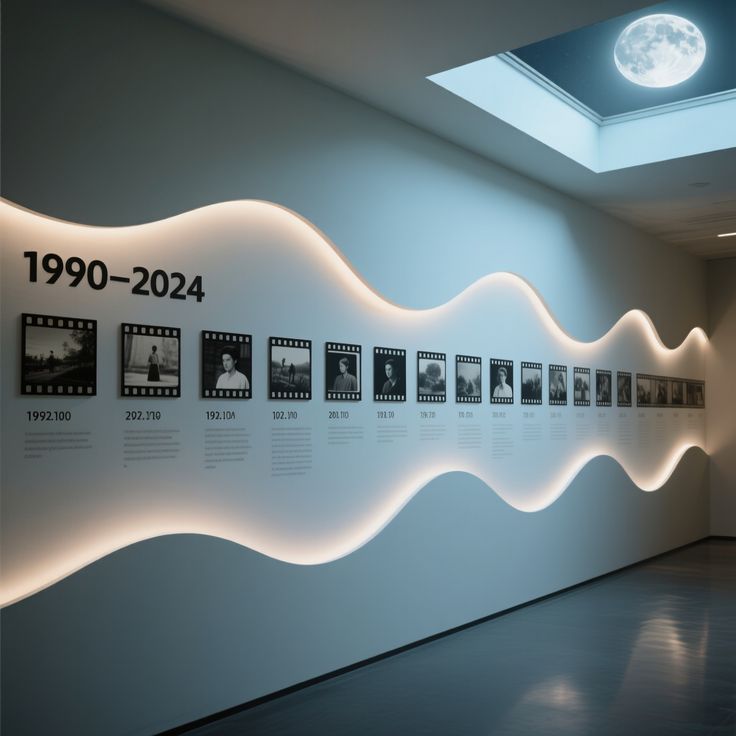
National or regional brand rollouts require project management discipline: phased implementation (pilot locations, lessons learned, scale-up); local adaptation (regulatory compliance, cultural sensitivity, climate considerations); and logistics coordination (consolidated shipping, local warehousing, installation scheduling). Kenyan infrastructure challenges (road conditions, regional distribution) necessitate buffer planning.
Template systems enable local customization within brand guardrails—branch-specific information (addresses, contacts, hours) with standardized layouts; regional language variations with consistent typography; and climate-adapted materials (UV-resistant for coast, waterproof for highlands) maintaining visual consistency.
Technology Integration and Automation
Brand management technology reduces consistency failures: web-to-print systems (pre-approved templates, automated preflight, controlled customization); digital signage networks (centralized content management, remote updates, playlist scheduling); and inventory management (automated reordering, version control, expiration monitoring). Integration with procurement systems ensures brand-compliant purchasing.
For Kenyan SMEs, simpler systems suffice—shared drive folder structures, standardized email signatures, and basic approval workflows—provided discipline maintains standards. Growth necessitates investment in brand management platforms (Brandfolder, Bynder, Frontify) as complexity increases.
Conclusion: Consistency as Competitive Advantage
Brand consistency across physical touchpoints requires systematic investment in standards, supplier management, and quality control. Organizations achieving coherence build recognition, trust, and premium positioning while inconsistent competitors confuse and commoditize.
Luna Graphics provides brand implementation services—identity system development, supplier network management, quality assurance, and multi-location rollout execution. Our integrated approach ensures consistent brand presentation across all physical touchpoints. Contact our brand management team to discuss consistency challenges and solutions.

Written by Ian Love
Marketing Director
Professional contributor at Luna Graphics specializing in printing and branding solutions.