
The Unique Branding Context of Transport Hubs
Airports and major transport hubs operate as complex, high-stakes environments where effective branding and wayfinding directly impact passenger experience, operational efficiency, and national or organizational reputation. For Kenyan transport infrastructure—Jomo Kenyatta International Airport, Moi International Airport, Nairobi commuter rail stations, and matatu terminals—professional branding creates first and last impressions for millions of travelers while enabling efficient movement through complex environments.
Transport hub branding must balance multiple objectives: efficient passenger processing and wayfinding; security and regulatory compliance; commercial revenue generation; cultural expression and national identity; and operational functionality for diverse user populations including international visitors, domestic travelers, and staff.
Airport Branding Ecosystem
Airport branding encompasses: exterior presence and arrival experience; terminal identification and wayfinding; check-in and security processing; gate and lounge environments; baggage and ground transport; and commercial and retail integration. Each touchpoint requires specific design solutions while maintaining overall coherence.
For Kenyan airports as national gateways, branding carries significance beyond functional wayfinding—expressing national identity, welcoming international visitors, and establishing quality expectations for tourism and business travel. Professional airport branding contributes to national competitiveness and visitor satisfaction.
| Airport Zone | Branding Functions | Design Priorities | Special Considerations |
|---|---|---|---|
| Exterior/approach | Identity, arrival confirmation, traffic management | Visibility, architectural integration, national expression | Landscaping, lighting, multimodal access |
| Check-in hall | Airline identification, processing efficiency, retail | Wayfinding clarity, queue management, commercial integration | High emotion, time pressure, bag handling |
| Security/immigration | Process guidance, compliance, reassurance | Clear instruction, stress reduction, authority | Regulatory requirements, international standards |
| Departure lounge | Comfort, commercial, gate information | Relaxation, retail, real-time information | Dwell time, passenger mix, amenity access |
| Arrivals/baggage | Reunion, ground transport, tourism welcome | Relief, wayfinding, first impression | Emotional intensity, logistics, hospitality |
| Retail/F&B | Revenue, experience, destination branding | Attraction, transaction, memory | Commercial pressure, concession coordination |
Wayfinding in Complex Environments
Airport wayfinding serves stressed, time-pressed, often confused passengers requiring immediate clarity. International standards (ISO, ACI) guide symbol usage, color coding, and information hierarchy ensuring universal comprehension across languages and cultures. For Kenyan international airports, wayfinding must serve global passenger mix with varying language capabilities.
Wayfinding systems include: static signage for permanent information; digital displays for dynamic updates; interactive kiosks for personalized assistance; and mobile integration extending wayfinding to personal devices. Redundancy across these channels ensures information access despite individual system failures.
National Identity and Cultural Expression
Airports as national gateways offer opportunity for cultural expression and identity communication. Kenyan airport branding should authentically represent national heritage, contemporary culture, and tourism attractions creating distinctive arrival experience and marketing opportunity. However, cultural expression must not compromise wayfinding clarity or operational efficiency.
Environmental graphics, art integration, architectural elements, and digital content can express Kenyan identity while serving functional purposes. Luna Graphics provides culturally informed airport branding balancing expression and efficiency.
Transport Terminal Branding
Beyond aviation, major transport terminals—rail stations, bus terminals, matatu stages—require branding supporting efficient operations and passenger experience. These environments often serve high volumes with limited resources, requiring cost-effective solutions maximizing impact within constraints.
For Kenyan urban transit, branding contributes to system identification, route clarity, safety perception, and user confidence encouraging public transport adoption. Professional terminal branding supports mobility objectives and urban development.
Digital Integration and Smart Infrastructure
Contemporary transport branding integrates digital technologies: real-time information displays; mobile wayfinding and notifications; biometric processing reducing friction; and data analytics optimizing passenger flow. For Kenyan transport infrastructure, digital integration improves efficiency and passenger satisfaction while generating operational data.
However, digital systems require reliable infrastructure, maintenance capability, and backup systems ensuring continuity during technology failures or power interruptions.
Commercial and Revenue Integration
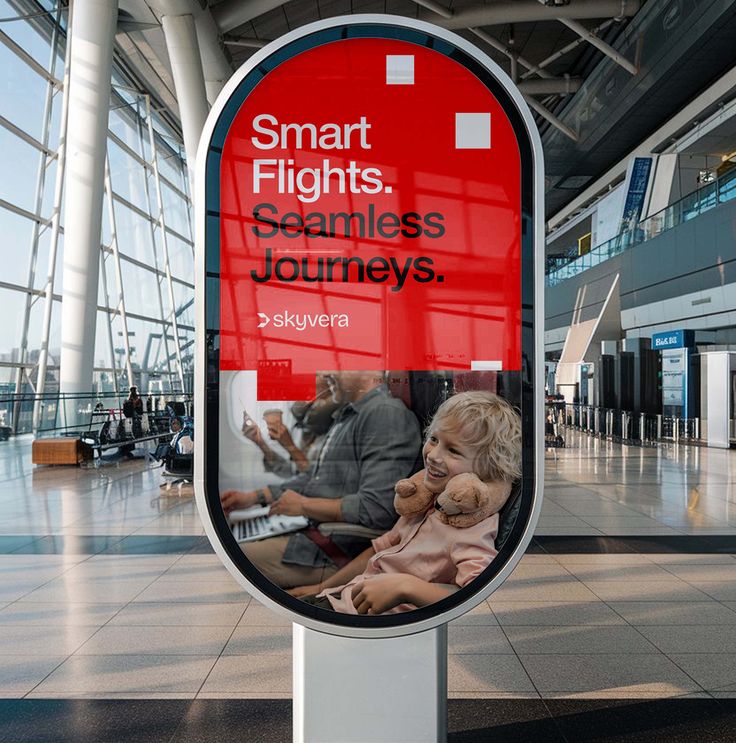
Transport hubs generate significant commercial revenue through advertising, retail, and concession branding. Wayfinding must integrate commercial messaging without confusing passengers or compromising safety information. Advertising standards ensure appropriate content and placement respecting passenger experience.
For Kenyan airports, commercial branding revenue supports infrastructure development and operation, requiring professional management balancing revenue maximization with passenger satisfaction.
Implementation and Operations
Transport hub branding implementation requires coordination with construction, systems integration, and operational commissioning. Phased implementation may be necessary for operational facilities requiring maintained operations during upgrade. Staff training ensures effective system utilization and maintenance.
For Kenyan transport authorities, professional implementation management ensures branding investment delivers intended benefits without operational disruption.
Conclusion: Branding Global Gateways
Airport and transport hub branding, strategically executed, enhances passenger experience, operational efficiency, and national reputation. For Kenyan transport infrastructure competing for tourism and business, professional branding represents essential investment in global connectivity and economic development.
Luna Graphics provides transport hub branding services from wayfinding strategy and environmental design through implementation and operations support. Our expertise in complex environments ensures branding solutions meeting global standards while expressing local identity. Contact our transport team to discuss your hub branding requirements.
Written by Ian Love
Marketing Director
Professional contributor at Luna Graphics specializing in printing and branding solutions.