
The Science Behind UV Printing Technology
UV printing represents a paradigm shift in digital printing technology, utilizing ultraviolet light to instantly cure specially formulated inks onto virtually any substrate. Unlike conventional printing methods that rely on solvent evaporation or absorption, UV printing harnesses photochemical reactions to transform liquid ink into solid polymer within milliseconds of deposition. This fundamental difference enables printing on materials previously considered incompatible with digital graphics.
The process begins with UV-curable inks formulated from liquid monomers and oligomers—small molecular building blocks that remain fluid until exposed to specific UV wavelengths. These inks contain photoinitiators, chemical compounds that absorb UV energy and trigger polymerization reactions. When high-intensity UV lamps emit light at 200-400 nanometer wavelengths, photoinitiators fragment into free radicals that initiate chain reactions, cross-linking monomers into solid, durable plastic polymers bonded permanently to the substrate surface.
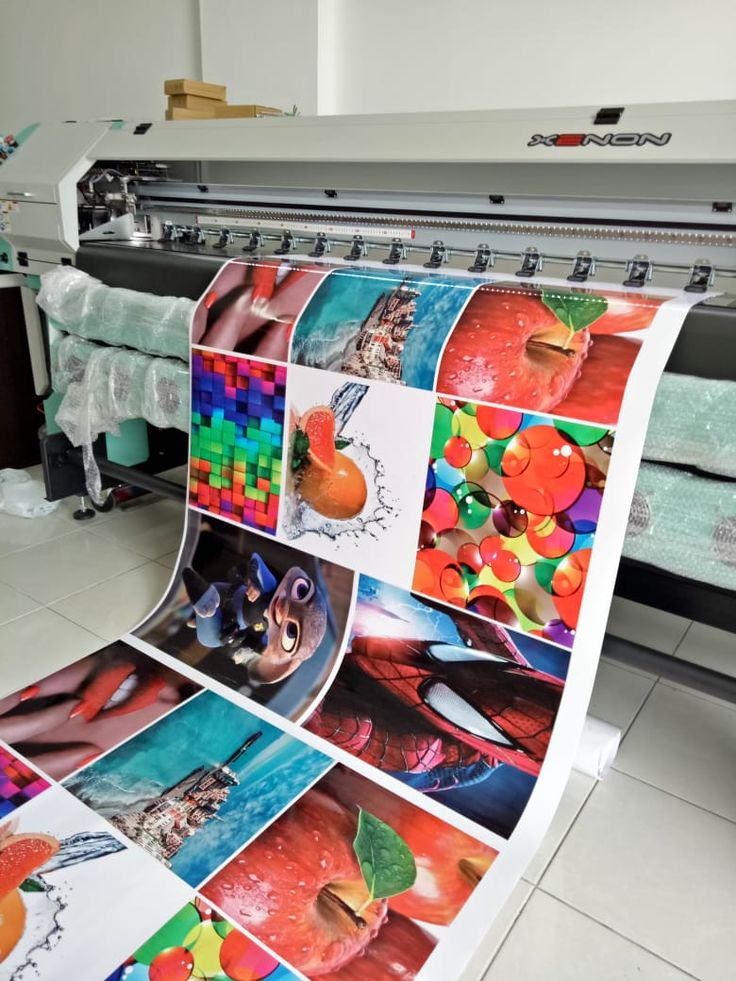
Modern UV printers employ piezoelectric printheads that precisely deposit microscopic ink droplets at resolutions up to 1440 dpi. These industrial printheads operate at variable droplet sizes—typically 6-42 picoliters—enabling both high-speed production and fine detail rendering. The printheads traverse rigid or flexible materials mounted on vacuum tables or roll-to-roll systems, depositing cyan, magenta, yellow, black, and often white or varnish inks in precise patterns before immediate UV exposure.
UV Lamp Technologies and Curing Systems
Traditional UV printing utilized mercury vapor lamps producing broad-spectrum UV radiation. These high-intensity sources deliver immediate, complete curing but generate substantial heat, limiting substrate compatibility with temperature-sensitive materials. Mercury systems remain prevalent in industrial applications requiring maximum production speeds and complete chemical conversion.
LED-UV curing represents the technological advancement transforming contemporary UV printing. Light-emitting diode arrays emit narrow-spectrum UV light at specific wavelengths—typically 365nm, 385nm, or 395nm—matching photoinitiator absorption peaks with minimal waste energy. LED systems operate at lower temperatures, enabling printing on heat-sensitive substrates including thin plastics, self-adhesive films, and certain textiles. Energy consumption decreases 60-80% compared to mercury systems, while lamp longevity extends from 2,000 hours to 20,000+ hours, dramatically reducing operational costs.
Advanced curing configurations employ multiple UV sources positioned throughout the print path. Pre-curing lamps partially polymerize ink droplets immediately after deposition, preventing dot gain and enabling sharper detail. Final curing stations complete polymerization, ensuring maximum durability and chemical resistance. This staged approach optimizes print quality while maintaining production efficiency.
Substrate Compatibility and Material Science
| Material Category | UV Printing Compatibility | Preparation Requirements | Applications |
|---|---|---|---|
| Acrylic/Plexiglas | Excellent | Static elimination, cleaning | Signage, displays, awards |
| PVC and Foam Boards | Excellent | Surface cleaning | Signage, exhibition graphics |
| Aluminum/Metal | Excellent | Degreasing, optional primer | Industrial labels, architectural |
| Glass | Excellent | Plasma or primer treatment | Decorative, architectural signage |
| Wood/MDF | Good to Excellent | Sanding, sealing porous surfaces | Interior décor, custom furniture |
| Corrugated Plastic | Good | Corona treatment for polypropylene | Outdoor signage, political signs |
| Ceramic/Tile | Excellent | Cleaning, optional primer | Decorative interiors, commercial spaces |
| Leather/Synthetic | Moderate to Good | Tensioning, surface preparation | Luxury goods, custom accessories |
| Polycarbonate | Excellent | Static control | Industrial overlays, electronics |
The UV Printing Process Step-by-Step
Production workflow begins with digital file preparation, typically utilizing raster image processing (RIP) software that translates design files into printer-specific instructions. RIP software manages color profiling, ink limiting, white ink generation for transparent substrates, and varnish placement for selective gloss effects. Proper file preparation ensures predictable output matching design intentions.
Material preparation varies by substrate but universally requires surface cleanliness free from oils, dust, and contaminants that could interfere with ink adhesion. Automated cleaning systems on advanced printers utilize ionized air knives and vacuum beds to eliminate static and debris. Some materials receive corona or plasma surface treatment to increase surface energy, ensuring optimal wetting and adhesion.
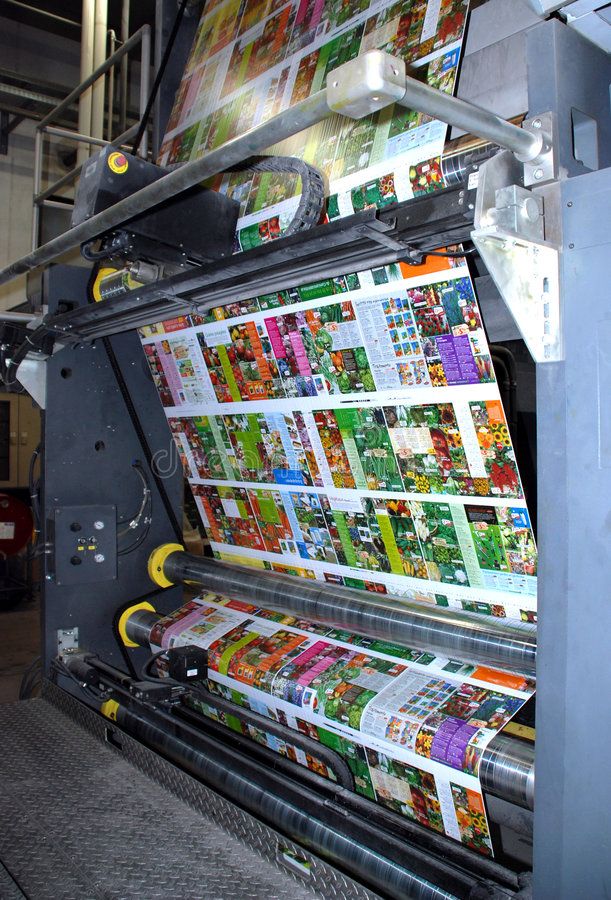
Printing execution involves precise printhead movement across stationary substrates or continuous roll feeding. White ink channels enable printing on transparent or colored materials by depositing opaque white base layers before color application. Varnish channels create selective gloss, matte, or textured effects enhancing visual and tactile interest. Real-time monitoring systems detect nozzle failures and compensate automatically to maintain quality.
Immediate UV exposure follows ink deposition at distances of 1-5 centimeters from the curing lamp. Curing duration ranges from milliseconds for LED systems to several seconds for high-speed mercury installations. The result is instantly dry, fully cured graphics ready for immediate handling, finishing, or installation—eliminating drying delays that constrain traditional printing workflows.
Quality Characteristics and Performance Advantages
UV printing delivers exceptional durability through chemical bonding rather than surface adhesion. Cured inks resist scratching, abrasion, and chemical exposure that would damage conventional prints. Outdoor applications withstand UV radiation, moisture, and temperature cycling for 3-5 years without significant degradation, depending on specific ink formulations and substrate preparation.
Color gamut and saturation exceed traditional printing methods due to the high pigment load possible in UV formulations. The absence of solvent carriers enables dense pigment concentration, producing vivid colors on both white and colored substrates. White ink capabilities extend printing to transparent materials including acrylic, glass, and clear films previously incompatible with digital graphics.
Dimensional stability distinguishes UV prints from solvent or latex alternatives. Because curing involves polymerization rather than evaporation, no volume loss occurs during drying. Printed dots maintain precise geometry, producing sharper text, smoother gradients, and finer detail than methods experiencing dot gain or shrinkage during drying.
Environmental and Operational Considerations
UV printing offers significant environmental advantages through elimination of volatile organic compound (VOC) emissions. Unlike solvent printing that releases hydrocarbons during drying, UV curing converts 100% of liquid ink into solid polymer with no atmospheric emissions. This characteristic enables indoor production without ventilation requirements or environmental permits necessary for solvent operations.
Energy efficiency varies by curing technology but generally favors modern LED systems. The instantaneous curing process eliminates energy consumption associated with drying ovens or extended production times. Reduced waste from instant curing—eliminating drying defects and rework—further improves environmental performance compared to traditional methods.
Operational safety requires UV radiation protection and proper handling of uncured inks. Cured prints present no toxicity concerns, but liquid inks require standard chemical handling protocols. Modern printers incorporate shielding and interlocks preventing UV exposure during operation, while automated systems minimize operator contact with uncured materials.
Luna Graphics operates state-of-the-art UV printing systems serving Kenya's branding and signage industries. Our flatbed and roll-to-roll UV printers handle materials up to 3.2 meters wide, producing everything from business cards to building graphics with exceptional quality and durability. Contact our technical team to discuss your specific UV printing requirements and discover how this technology can transform your visual communication projects.
Written by Ian Love
Marketing Director
Professional contributor at Luna Graphics specializing in printing and branding solutions.