
Understanding Large Format Printing Technology
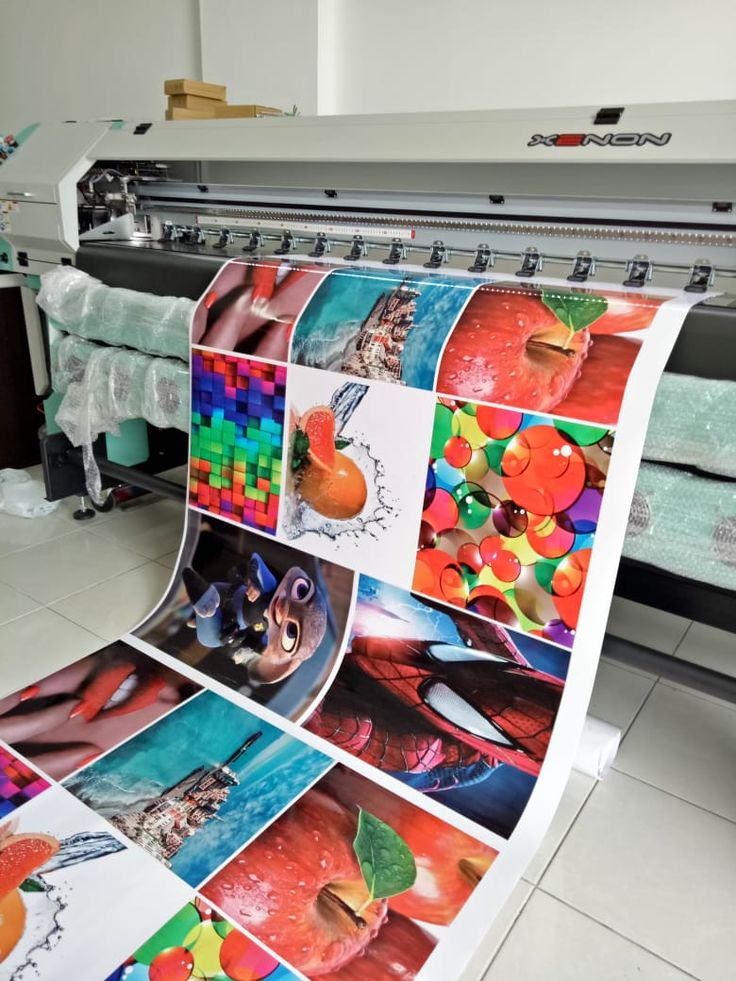
Large format printing refers to the production of graphics exceeding standard commercial printing sizes, typically beginning at 24 inches in width and extending to massive dimensions limited only by material roll lengths and printer specifications. Unlike conventional digital printing designed for documents and small marketing materials, large format systems accommodate substrates ranging from paper and vinyl to rigid boards and textiles, producing visual communications designed for maximum impact and visibility.
The technology operates through sophisticated inkjet mechanisms where printheads traverse wide material paths, depositing microscopic ink droplets with precision measured in picoliters. Modern large format printers achieve resolutions up to 1200x1200 dots per inch (DPI), creating imagery sharp enough for close inspection despite massive physical scale. This capability distinguishes professional large format output from basic poster printing, enabling applications from architectural blueprints to outdoor billboards.
Core Components of Large Format Printing Systems
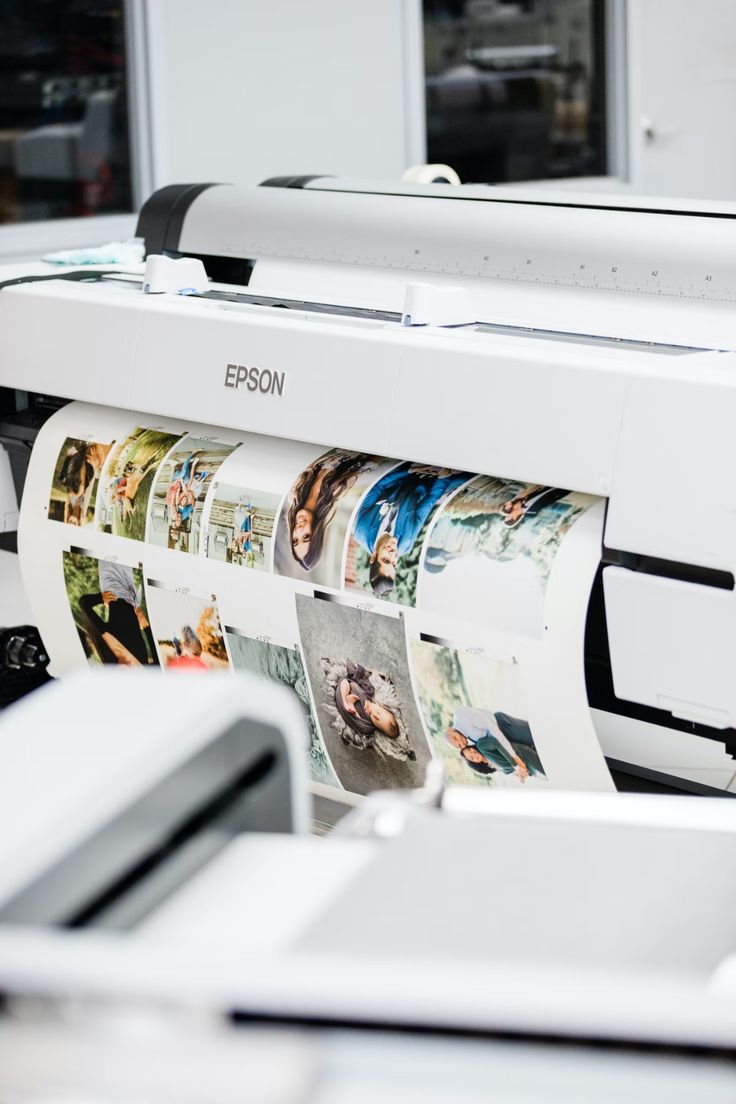
Print engine architecture determines output capabilities and application suitability. Piezoelectric printheads, utilized in Epson and Mimaki systems, use electrical charges to deform crystals, forcing ink through microscopic nozzles. Thermal inkjet systems, exemplified by HP technologies, heat ink to create vapor bubbles that eject droplets. Each approach offers distinct advantages regarding ink compatibility, droplet size control, and maintenance requirements.
Ink delivery systems vary by technology type and application requirements. Eco-solvent inks penetrate coated vinyl substrates, creating durable outdoor graphics resistant to weathering. Latex inks, water-based formulations cured through heat, offer environmental advantages and immediate lamination capability. UV-curable systems instantly polymerize inks through ultraviolet light exposure, enabling direct printing onto rigid and unconventional materials.
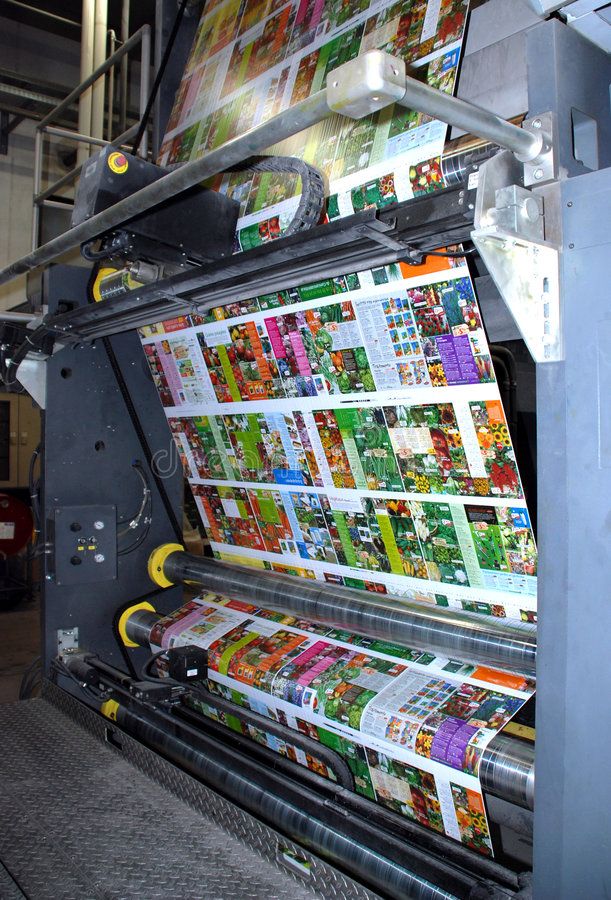
Material handling mechanisms accommodate diverse substrate formats. Roll-fed systems manage flexible materials including banner vinyl, photographic papers, and canvas, feeding from supply rolls through printing zones to take-up mechanisms. Flatbed configurations handle rigid substrates—foam boards, acrylic sheets, corrugated plastic—transporting materials beneath stationary or traversing printheads. Hybrid systems combine both capabilities, offering versatility for mixed production environments.
The Printing Process: From Digital File to Physical Output
Raster Image Processing (RIP) software serves as the critical bridge between design files and physical output. RIP systems interpret vector graphics, raster images, and color profiles, converting design data into printer-specific instructions controlling droplet placement, ink density, and color mixing. Advanced RIP features include color management through ICC profiles, step-and-repeat functions for multiple copies, and nesting algorithms optimizing material utilization.
Color management ensures predictable output matching design intentions. Large format workflows employ spectrophotometers measuring printed color patches, creating device-specific profiles accounting for ink characteristics and substrate behavior. This calibration process enables consistent reproduction across different materials and printing sessions—essential for brand color accuracy in corporate identity applications.
Production workflow encompasses file preparation, proofing, and final output stages. Pre-flight checks verify image resolution adequacy for intended viewing distances, identify potential color gamut limitations, and confirm bleed allowances for finishing processes. Test prints at reduced scale or specific color patches validate settings before full production, preventing costly errors on expensive wide-format materials.
Technical Specifications and Quality Factors
Resolution requirements vary by application and viewing distance. While 300 DPI suffices for handheld materials, large format graphics viewed from meters away optimize file preparation at 100-150 DPI at final size. This seemingly low resolution produces excellent results because viewing distance compensates for dot visibility, while file sizes remain manageable for RIP processing.
Ink coverage and color density affect both visual impact and production costs. Large format inks represent significant operational expenses, with coverage calculations determining project budgets. Spot color matching, metallic effects, and white ink applications require additional print passes, extending production time and material consumption.
Environmental controls influence output consistency. Temperature and humidity affect ink drying characteristics, substrate dimensional stability, and static electricity buildup. Professional large format facilities maintain climate-controlled production environments, ensuring predictable results regardless of external weather conditions—particularly important in Kenya's variable climate.
Applications and Material Compatibility
Substrate selection determines application suitability and longevity. Coated vinyl formulations optimized for solvent ink absorption create durable outdoor banners withstandinging months of UV exposure and weathering. Photographic papers with resin coatings produce exhibition-quality prints for interior displays. Specialty media including backlit films, window perf materials, and floor graphics laminates expand application possibilities.
Finishing processes transform printed materials into deployable products. Large format workflows incorporate cutting systems—rotary blades for flexible materials, CNC routers for rigid substrates—creating precise dimensional accuracy. Grommet installation, hemming, and pole pocket sewing prepare banners for installation. Lamination protects graphics from abrasion and UV degradation while modifying surface finishes from gloss to matte.
Industry Evolution and Kenyan Market Context
The global large format printer market reached $9.82 billion in 2025, growing at 6% CAGR toward $12.39 billion by 2029 [^12^]. This expansion reflects increasing demand for visual communication in advertising, retail environments, and event production. Kenyan market growth parallels global trends, with Nairobi's commercial hub driving adoption across retail, real estate, and corporate sectors.
Technology accessibility has transformed local production capabilities. Previously, Kenyan businesses outsourced large format requirements to international providers, facing extended turnaround times and shipping costs. Contemporary local installations of wide-format eco-solvent, latex, and UV printers enable rapid response to market needs, supporting same-day production for urgent campaigns.
Luna Graphics operates advanced large format production systems delivering professional output across all discussed technologies. Our technical team provides consultation on optimal material and process selection for specific applications, ensuring maximum return on your visual communication investment. Contact us to discuss your large format printing requirements.
Written by Ian Love
Marketing Director
Professional contributor at Luna Graphics specializing in printing and branding solutions.