
The Strategic Function of Corporate Wayfinding
Corporate wayfinding signage serves functions extending far beyond basic navigation, operating as critical infrastructure supporting organizational efficiency, visitor confidence, safety compliance, and brand expression within built environments. For Kenyan corporate offices—from multinational headquarters in Nairobi's Upper Hill to growing enterprises in emerging business districts—effective wayfinding reduces confusion and frustration, projects organizational competence, and creates coherent brand experiences throughout facilities.
The complexity of modern corporate environments—multi-floor buildings, flexible workspaces, shared amenities, and evolving organizational structures—demands sophisticated wayfinding systems accommodating diverse users including employees, visitors, clients, contractors, and emergency responders. These systems must function across varied contexts: routine daily navigation, first-time visitor orientation, emergency evacuation, and accessibility requirements ensuring inclusive experience for all users regardless of physical capability or familiarity.
Wayfinding System Architecture
Effective corporate wayfinding operates through hierarchical information systems guiding users from macro orientation (building location, floor identification) through meso navigation (zone identification, departmental location) to micro destination (specific room, individual identification). This hierarchy requires consistent visual language—color coding, typography, symbols, and materials—enabling users to confidently interpret information at decision points throughout their journey.
For Nairobi corporate offices, wayfinding strategy begins with user journey mapping identifying key routes, decision points, and potential confusion areas. Circulation analysis examines traffic patterns, peak usage times, and user types informing signage placement and prioritization. Integration with architectural features—lobbies, atriums, stairways, elevators—creates natural wayfinding opportunities where design reinforces intuitive navigation.
| Wayfinding Element | Function | Typical Applications | Design Requirements |
|---|---|---|---|
| Building/entry identification | Establish location, create arrival confirmation | Exterior building signage, lobby identity, reception desk | High visibility, brand integration, accessibility |
| Directory systems | Provide overview, enable destination planning | Lobby directories, floor plans, digital kiosks | Comprehensive, updatable, multi-language if needed |
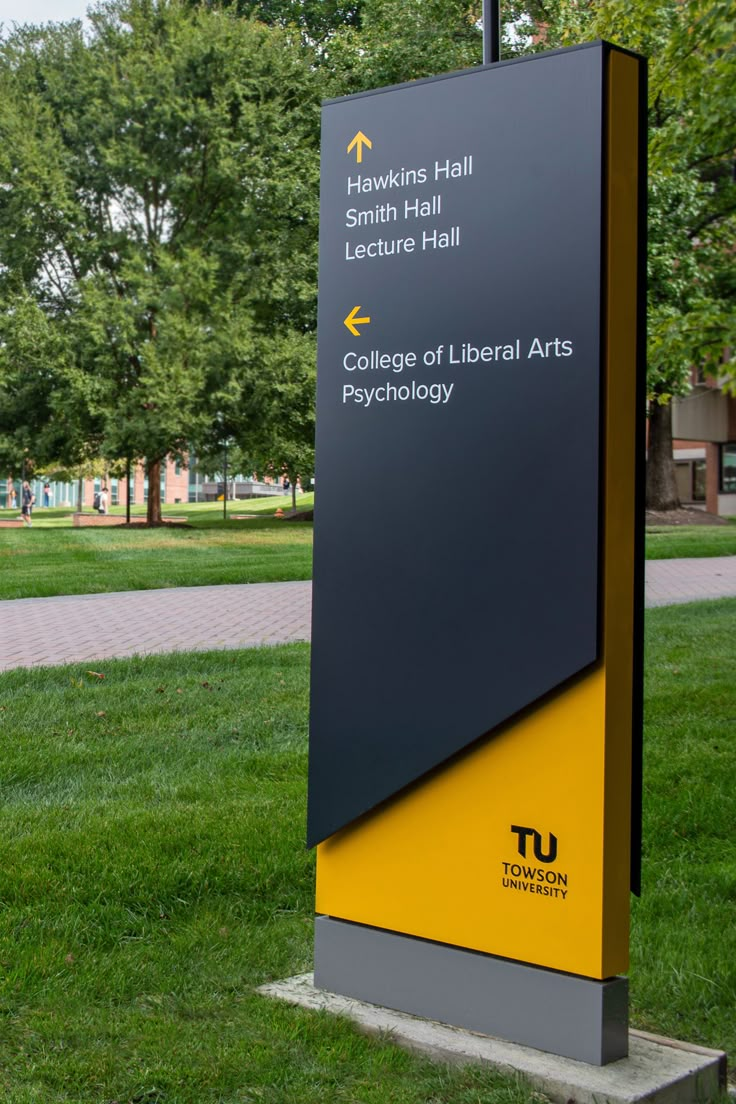
| Directional signage | Guide along routes, confirm path correctness | Corridor signs, overhead guidance, intersection indicators | Sequential consistency, decision point placement |
| Room/space identification | Confirm destination arrival, enable specific location | Door signs, room numbers, departmental identity | Legibility, durability, privacy considerations |
| Regulatory/safety signage | Ensure compliance, provide emergency information | Fire exits, evacuation routes, safety equipment | Code compliance, universal symbols, high visibility |
| Informational/amenity signage | Support facility use, enhance experience | Restrooms, cafeterias, meeting rooms, parking | Icon clarity, cultural appropriateness, maintenance access |
Design Principles for Effective Wayfinding
Wayfinding design prioritizes clarity and consistency over creativity, with information architecture ensuring users can quickly locate, interpret, and act upon directional guidance. Typography must maximize legibility at appropriate distances, with sans-serif fonts, adequate sizing (typically 25-50mm character height for primary viewing), and high contrast against backgrounds. Color coding provides intuitive zoning—consistent colors identifying specific floors, departments, or functions enabling recognition without reading.
Symbol and icon usage should follow international standards (ISO, AIGA) ensuring universal comprehension across language barriers, with cultural adaptation for specific contexts. Pictograms supplement or replace text for rapid recognition, particularly important in emergency situations or for international visitors. For Kenyan corporate offices with diverse workforces and global visitors, universal design principles ensure inclusive accessibility.
Material and Finish Specifications
Corporate wayfinding materials must balance aesthetic quality with durability appropriate to specific locations and maintenance capabilities. Interior applications utilize materials including acrylic, aluminum, wood, or dimensional lettering creating premium appearance consistent with corporate brand standards. Exterior and high-traffic areas require more durable materials—metal, stone, or high-pressure laminate—withstanding environmental exposure and physical contact.
Finish selection impacts both appearance and maintenance, with matte finishes reducing glare and fingerprint visibility, while gloss surfaces provide contemporary polish. Tactile elements including Braille and raised characters ensure accessibility compliance while adding dimensional interest. For Nairobi corporate environments, material selection should consider dust accumulation, cleaning protocols, and longevity expectations.
Digital Wayfinding Integration
Digital signage technologies enhance traditional wayfinding with dynamic capabilities including real-time updates, interactive wayfinding, directory search, and emergency override. Touchscreen kiosks enable user-directed exploration with searchable directories and animated routing. Mobile integration allows smartphone-based navigation extending wayfinding beyond physical signage.
For Kenyan corporate offices with technology infrastructure, digital wayfinding provides flexibility impossible with static systems—room changes, visitor information, and event-specific directions update instantly without physical modification. However, digital systems require maintenance, content management, and backup power provisions ensuring reliability. Hybrid approaches combining digital flexibility with static durability often provide optimal solutions.
Brand Integration and Environmental Expression
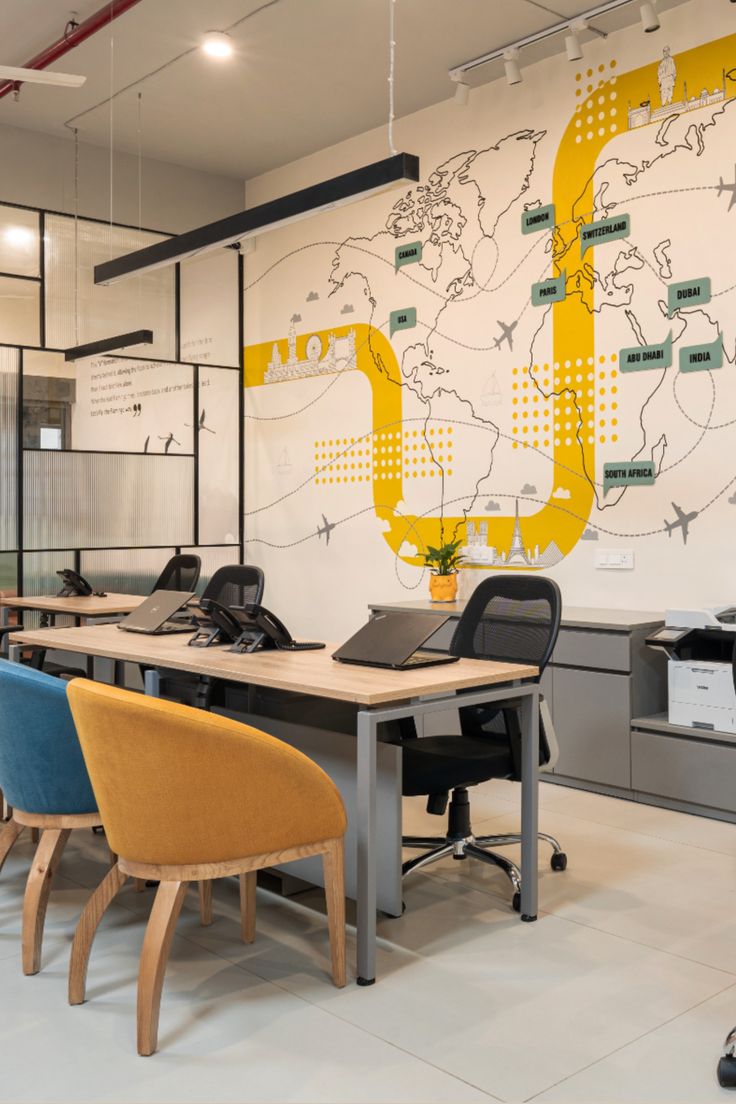
Wayfinding systems offer significant opportunities for brand expression beyond functional navigation, with design elements reflecting organizational identity, values, and culture. Color systems may derive from brand palettes; materials may reference organizational heritage or industry; and messaging tone may communicate company personality from formal to approachable. For Nairobi corporate offices, wayfinding contributes to environmental branding creating distinctive workplace identity.
However, brand expression must not compromise wayfinding clarity—decorative elements should enhance rather than obscure information hierarchy. Professional wayfinding design balances aesthetic ambition with functional excellence, creating systems that are both beautiful and effective. Luna Graphics provides wayfinding design integrating brand expression with navigation optimization.
Implementation and Change Management
Wayfinding implementation requires coordination with construction, furniture installation, IT infrastructure, and organizational move-in. Phased installation may be necessary for renovation or expansion projects maintaining partial occupancy. User training and communication ensure effective system utilization, particularly for digital or complex wayfinding features.
Change management protocols address organizational evolution—restructuring, expansion, or relocation—requiring wayfinding updates. Modular systems enabling efficient modification reduce long-term maintenance costs. For growing Kenyan enterprises, scalable wayfinding architecture accommodates future expansion without complete system replacement.
Accessibility and Inclusion
Comprehensive wayfinding addresses diverse user capabilities including visual impairment (tactile elements, audio options, high contrast), mobility limitations (appropriate mounting heights, clear sightlines), cognitive differences (clear language, consistent patterns), and language diversity (symbols, multilingual text). Kenyan accessibility standards and international best practices guide inclusive design ensuring all users navigate independently and confidently.
Universal design benefits extend beyond specific accessibility requirements to improve wayfinding for all users—clearer information, better lighting, and intuitive layouts serve everyone. Luna Graphics provides accessibility consultation ensuring wayfinding compliance and inclusive excellence.
Conclusion: Wayfinding as Organizational Infrastructure
Corporate wayfinding signage, designed and implemented strategically, functions as essential organizational infrastructure supporting efficiency, safety, brand expression, and user experience. For Kenyan corporate offices seeking to project professionalism and care for stakeholders, investment in comprehensive wayfinding yields returns through reduced confusion, enhanced productivity, and positive impression formation.
Luna Graphics provides end-to-end wayfinding services for corporate environments from strategy and design through production, installation, and ongoing maintenance. Our expertise in environmental graphics and brand implementation ensures wayfinding systems that navigate effectively while expressing organizational identity. Contact our environmental design team to discuss your corporate wayfinding requirements and discover how navigation excellence can enhance your workplace environment.
Written by Ian Love
Marketing Director
Professional contributor at Luna Graphics specializing in printing and branding solutions.