
The Evolution of Wall Graphics
Wall graphics have evolved from simple painted murals to sophisticated digital printing applications transforming architectural surfaces into immersive brand experiences and artistic statements. Modern large format printing enables photographic reproduction, intricate patterns, and custom designs at scales previously achievable only through hand-painted execution. This capability democratizes environmental design, making professional wall treatments accessible to businesses and homeowners alike.
Applications span corporate branding in reception areas, retail environment theming, hospitality ambiance creation, residential personalization, and temporary event decoration. The distinction between traditional wallpaper (repeating patterns) and custom wall graphics (specific imagery or designs) blurs as digital printing enables both applications with equal facility.
Material Categories and Specifications
Vinyl wall coverings dominate commercial applications due to durability and cleanability. Type I (light duty) vinyl suits residential and low-traffic commercial; Type II (heavy duty) withstands high-traffic corridors and healthcare environments; Type III (extra heavy) provides maximum abrasion resistance. These materials typically feature embossed textures suggesting fabric or natural materials while offering vinyl's practical advantages.
Non-woven wallpapers combine paper and synthetic fibers, offering breathability preventing mold issues in humid environments. These materials resist tearing during installation and removal, enabling DIY application. Smooth and textured finishes accommodate various aesthetic preferences.
Fabric wall coverings provide acoustic benefits and luxurious aesthetics. Polyester and cotton substrates absorb sound improving room acoustics while offering soft visual textures. These materials suit corporate offices, theaters, and upscale residential applications.
Removable and repositionable materials serve temporary applications and leased spaces. These products adhere without aggressive adhesives, removing cleanly without wall damage for months or years after installation. Ideal for retail promotions, exhibition graphics, and rental properties.
Printing Technologies and Image Quality
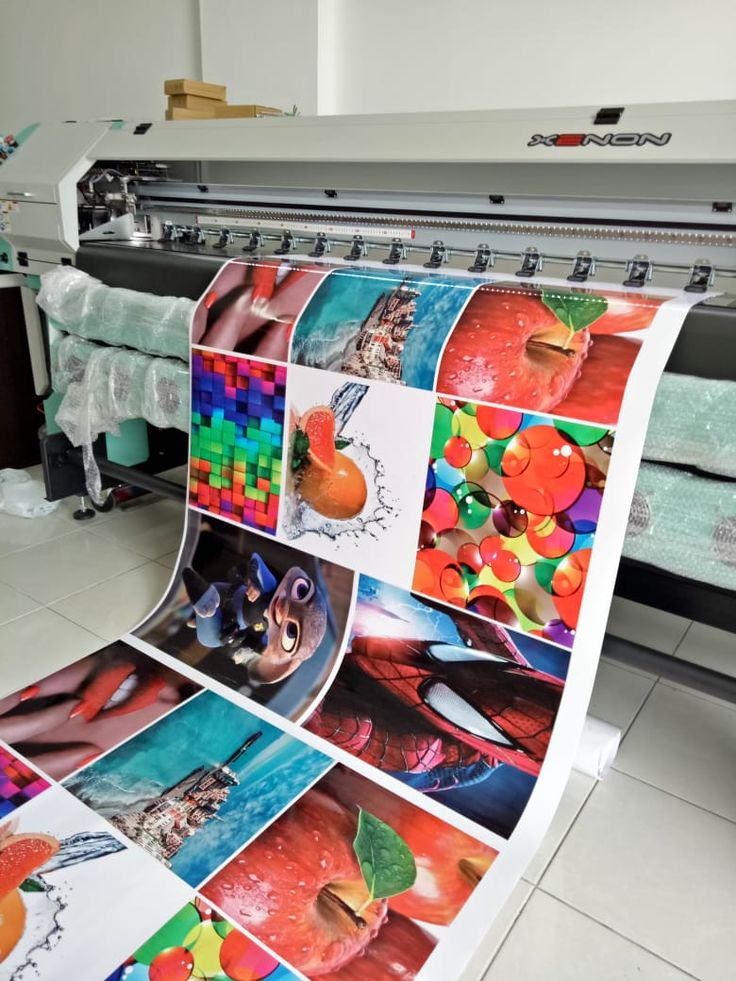
Latex printing dominates interior wall graphic production due to environmental safety and odorless curing. Water-based inks emit no volatile organic compounds, enabling installation in occupied spaces without ventilation concerns. Latex provides excellent color gamut and durability on porous wall covering materials.
UV-curable printing offers alternative for non-porous or specialized substrates. Instant curing enables immediate handling and installation. Some UV systems produce slight texture or gloss differential affecting appearance under specific lighting.
Dye sublimation transfers dyes into polyester fabrics creating permanent, vibrant color. This process suits textile wall coverings requiring washability or complex sewing and finishing.
Resolution requirements vary by viewing distance. Wall graphics viewed from 2-3 meters require 150-200 DPI at final size; distant viewing (lobbies, atriums) accepts 100 DPI. Vector graphics and patterns scale infinitely without resolution concerns.
Design Principles for Wall Graphics
Scale and proportion considerations differ from standard graphic design. Large wall surfaces require bold imagery avoiding visual clutter. Negative space prevents overwhelming environments; graphics should complement rather than dominate architectural elements.
Color psychology affects spatial perception. Cool colors (blues, greens) recede visually, expanding perceived space; warm colors (reds, oranges) advance, creating intimacy. Light colors reflect illumination brightening spaces; dark colors absorb light creating drama but potentially gloom.
Pattern scale must suit room dimensions. Small patterns in large spaces appear busy and ineffective; large patterns in small rooms overwhelm. Architectural features (doors, windows, corners) interrupt patterns requiring careful alignment planning.
Branding integration requires subtlety in corporate environments. Logo repetition suggests insecurity; environmental graphics conveying brand values (innovation, sustainability, heritage) prove more sophisticated than literal trademark display.
Installation Techniques and Surface Preparation
Surface preparation determines installation success. Walls must be clean, dry, and smooth. Paint should be fully cured (30 days minimum for latex). Glossy surfaces require sanding or primer for adhesive compatibility. Texture matching—wall covering may telegraph through thin materials revealing underlying surface irregularities.
Professional installation ensures pattern matching, seam invisibility, and bubble-free application. Large graphics require multiple panels with precise alignment. Wallpaper installers utilize specialized tools: smoothing brushes, seam rollers, trimming blades, and plumb lines ensuring vertical alignment.
DIY installation suits removable materials and simple applications. Pre-pasted materials activate with water; peel-and-stick products offer easiest application. Complex murals, textured walls, or permanent installations benefit from professional execution.
Applications by Environment
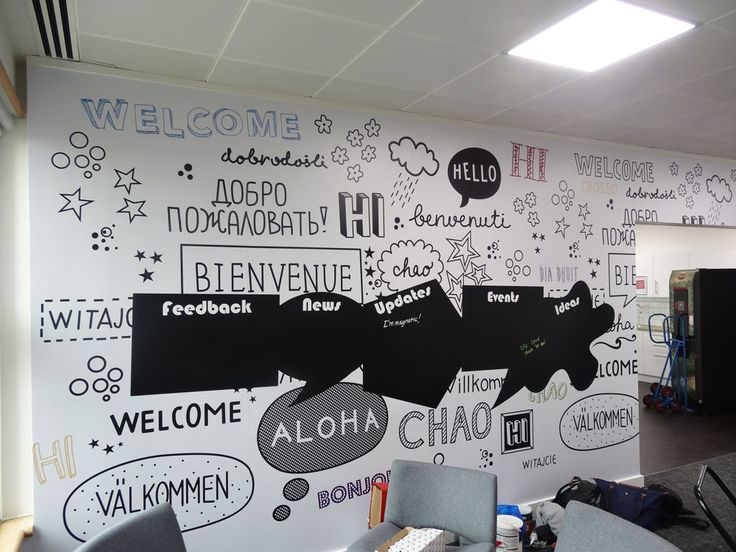
Corporate environments utilize wall graphics for branding, wayfinding, and environmental psychology. Reception areas make strong first impressions; conference rooms inspire creativity or focus; corridors provide storytelling opportunities; workspaces require motivational or calming imagery depending on function.
Retail spaces leverage wall graphics for atmosphere and merchandising support. Thematic environments enhance brand experience; seasonal graphics refresh spaces without renovation; product imagery educates and inspires customers.
Hospitality applications (hotels, restaurants, spas) create ambiance and Instagram-worthy moments. Feature walls provide photo opportunities generating organic social media marketing. Thematic consistency across properties reinforces brand identity.
Healthcare environments utilize wall graphics for wayfinding, distraction (reducing patient anxiety), and healing imagery (nature scenes proven to improve outcomes). Infection-control-compatible materials enable cleaning with hospital-grade disinfectants.
Residential applications personalize spaces with family photography, artistic reproductions, or custom designs. Murals in children's rooms, accent walls in living spaces, and ceiling graphics transform ordinary interiors.
Maintenance and Longevity
Commercial vinyl wall coverings withstand cleaning with mild detergents and soft cloths. Abrasive cleaners damage surfaces; excessive water infiltration weakens adhesives. Scrubbable ratings indicate cleaning durability—higher ratings suit healthcare and food service environments.
Removable materials enable graphic updates without surface damage. This capability particularly benefits retail seasonal campaigns and corporate rebranding. Removal within specified periods (typically 2+ years) ensures clean release; extended adhesion may cause wall damage.
UV exposure fades graphics near windows despite interior-rated materials. South-facing exposures in Kenya's intense sun may require protective window films or material selection emphasizing fade resistance.
Cost Considerations
Wall graphic pricing includes material, printing, and installation. Vinyl wall coverings cost KES 2,000-4,500 per square meter depending on grade and texture. Fabric options range KES 3,000-6,000/sqm. Installation adds KES 500-1,500/sqm depending on wall complexity and material type.
Removable materials command 20-30% premium over permanent equivalents but enable reuse and protect wall surfaces. Total cost of ownership analysis favors removable options for temporary applications despite higher initial cost.
Luna Graphics provides comprehensive wall graphic solutions from design consultation through installation. Our material library includes commercial-grade vinyls, acoustic fabrics, and removable options. Professional installation teams ensure flawless execution. Contact our interior graphics specialists to transform your spaces.
Written by Ian Love
Marketing Director
Professional contributor at Luna Graphics specializing in printing and branding solutions.