
Vinyl: The Universal Substrate of Modern Printing
Vinyl printing has revolutionized visual communication across Kenya's commercial landscape, offering unmatched versatility that spans advertising, decoration, identification, and protection applications. This synthetic material—technically polyvinyl chloride (PVC) in various formulations—accepts printed imagery through multiple technologies while providing durability that natural materials cannot match. Understanding vinyl's characteristics, limitations, and optimal applications enables Kenyan businesses to leverage this remarkable material effectively.
The material science of printable vinyl involves complex polymer chemistry engineered for specific performance characteristics. Calendered vinyl—manufactured through rolling processes—offers economical solutions for short-to-medium term applications. Cast vinyl, produced through liquid casting and curing, provides conformability and durability for demanding applications including vehicle wraps and complex curves. These fundamental manufacturing differences determine appropriate use cases and cost structures.
Comprehensive Application Categories
Vinyl printing serves diverse functions across Kenyan business sectors, each requiring specific material formulations and adhesive systems. Advertising applications dominate volume, including outdoor banners, building wraps, retail window graphics, and promotional signage. These applications prioritize printability, weather resistance, and cost-effectiveness over extended durability.
Vehicle branding represents a specialized vinyl application requiring cast vinyl formulations with air-egress adhesive systems. The material must conform to complex curves, withstand highway speeds and weather exposure, and remove cleanly without damaging factory paint. Nairobi's commercial fleet operators, matatu owners, and corporate vehicle pools increasingly recognize vehicle wraps as mobile advertising investments with substantial reach.
Interior decoration and branding utilize vinyl for wall graphics, floor graphics, and architectural surface transformation. Specialized vinyl formulations offer removable adhesives for temporary installations, textured finishes that mimic materials like wood or fabric, and transparency options for glass applications. Corporate offices, retail environments, and event spaces leverage these capabilities for rapid environmental transformation without construction.
Industrial and safety applications include floor marking, equipment labeling, and hazard identification. These applications demand slip-resistant surfaces, chemical resistance, and aggressive permanent adhesives that withstand industrial environments. Manufacturing facilities, warehouses, and construction sites throughout Kenya utilize vinyl for regulatory compliance and operational efficiency.
Material Specifications and Selection Criteria
| Vinyl Type | Construction | Best Applications | Durability | Cost (per sqm) |
|---|---|---|---|---|
| Monomeric Calendered | Basic PVC, rigid | Short-term flat graphics, promotions | 1-3 years | KES 350-500 |
| Polymeric Calendered | Flexible PVC, plasticizers | Medium-term signage, banners | 3-5 years | KES 450-650 |
| Cast Vinyl | Liquid casting, no stress | Vehicle wraps, complex curves | 5-7 years | KES 800-1,200 |
| High-Performance Cast | Premium polymers | Long-term vehicle, architectural | 7-10 years | KES 1,000-1,500 |
| Specialty (reflective, etc.) | Engineered formulations | Safety, premium effects | Varies | KES 1,200-2,500 |
| Wall/Floor Graphic | Removable/repositionable | Interior branding, events | 1-3 years | KES 600-900 |
| Transparent/ Clear | Clear PVC base | Glass graphics, overlays | 3-5 years | KES 550-800 |
| Perforated Window | 50/50 hole pattern | Vehicle windows, storefronts | 2-4 years | KES 700-1,000 |
Monomeric calendered vinyl serves budget-conscious short-term applications where extended durability isn't required. Political campaign materials, promotional sales signage, and event graphics that serve for weeks or months utilize this economical option. However, the material's tendency to shrink and become brittle limits applications to flat surfaces and brief durations.
Polymeric calendered vinyl offers improved flexibility and longevity through advanced plasticizer formulations that resist migration and embrittlement. This middle-ground option suits most commercial signage applications, providing 3-5 year durability on flat or gently curved surfaces at moderate cost. Most building signage, banners, and retail graphics in Nairobi utilize polymeric vinyl for optimal value.
Cast vinyl represents the premium tier, manufactured without mechanical stress that creates memory in calendered materials. This construction enables the material to conform to complex curves, channels, and recesses without lifting or bridging. Vehicle wraps, architectural details, and premium long-term installations require cast vinyl despite higher costs. The material's stability ensures graphics remain smooth and adhered throughout extended service life.
Printing Technologies for Vinyl Applications
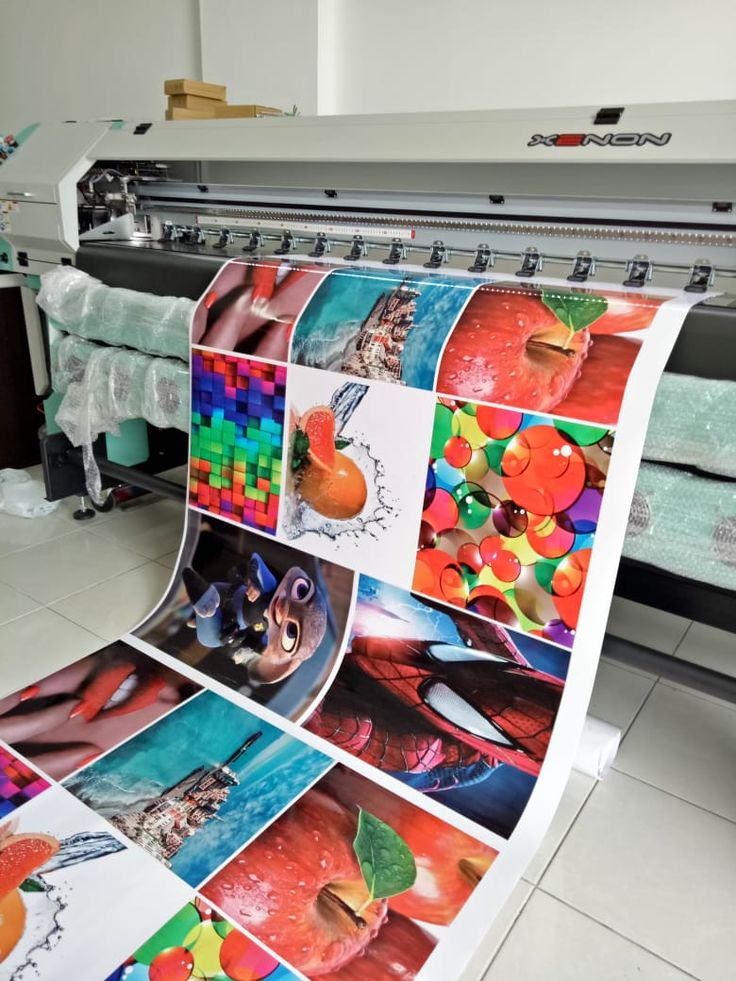
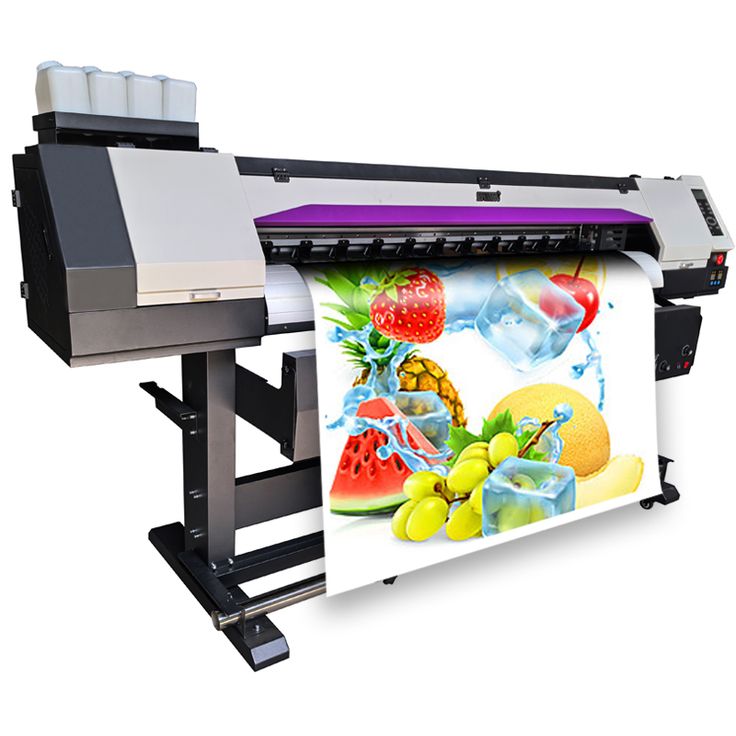
Solvent inkjet printing dominates outdoor vinyl applications, utilizing aggressive solvents that etch into vinyl surfaces creating durable, weather-resistant images. The chemical bonding between solvent inks and PVC substrates produces graphics that withstand UV exposure, moisture, and temperature cycling without significant degradation. Modern eco-solvent formulations reduce environmental impact while maintaining durability standards.
Latex printing technology offers water-based alternatives with immediate odor-free results suitable for indoor applications. The technology produces vibrant graphics without volatile organic compounds, enabling installation in occupied spaces without ventilation concerns. Latex-printed vinyl serves retail environments, healthcare facilities, and corporate interiors where air quality matters.
UV-curable printing provides the ultimate in durability and versatility, curing ink instantly through ultraviolet light exposure. This technology enables printing on unconventional vinyl formulations including rigid PVC sheets, textured surfaces, and specialty materials. UV printing excels for high-end applications requiring maximum longevity or unique material characteristics.
Adhesive Systems and Application Surfaces
Adhesive technology critically determines vinyl application success across different surfaces and durations. Permanent adhesives provide maximum bond strength for long-term applications on stable surfaces. These adhesives activate over 24-48 hours, achieving full adhesion that resists removal without surface damage. Permanent adhesives suit vehicle graphics, outdoor signage, and industrial applications.
Removable adhesives enable clean removal within specified timeframes without adhesive residue or surface damage. These systems serve temporary promotions, event graphics, and leased spaces where permanent modification isn't permitted. Removal windows typically range from six months to three years depending on formulation—exceeding these windows risks adhesive residue or surface damage during removal.
Repositionable adhesives allow initial placement adjustment before permanent bonding, invaluable for precise alignment applications including wall graphics and window installations. The technology enables bubble-free application without professional installation skills, though large or complex graphics still benefit from experienced technicians.
Specialized adhesive systems address specific challenges. Air-egress adhesives for vehicle wraps incorporate micro-channels that allow air escape during application, preventing bubbles without puncturing. High-tack adhesives bond to low-energy surfaces like polypropylene and powder-coated metals. Foam adhesives provide cushioning and conformability for textured surfaces.
Surface Preparation and Installation Excellence
Successful vinyl application requires meticulous surface preparation regardless of adhesive quality. Surfaces must be clean, dry, and free of contaminants including dust, oils, waxes, and loose material. Professional installation includes thorough cleaning with appropriate solvents, surface temperature verification, and environmental condition assessment.
Application temperature significantly affects adhesive performance. Nairobi's varying temperatures—from cool mornings to hot midday sun—impact installation timing and technique. Most vinyl adhesives specify application temperatures between 15°C and 30°C for optimal bonding. Extreme temperatures can cause premature adhesion or extended curing times.
Complex applications including vehicle wraps and architectural details require specialized techniques. Heat guns or torches soften vinyl for conforming to curves, while squeegees and application fluids ensure bubble-free adhesion. Professional installers follow manufacturer-specified procedures that ensure warranty compliance and optimal longevity.
Durability Factors and Kenyan Climate Considerations
Vinyl durability in Kenyan conditions depends on material quality, installation excellence, and environmental exposure. UV radiation represents the primary degradation factor, causing color fading and material embrittlement over time. Quality vinyl incorporates UV inhibitors that significantly extend service life, while economy options fade rapidly under Nairobi's intense high-altitude sun.
Temperature cycling—daily expansion and contraction—stresses vinyl and adhesive bonds. Quality materials accommodate this movement without failure, while rigid or improperly installed vinyl may crack, lift, or delaminate. Dark colors absorb more heat, accelerating thermal cycling stress compared to light-colored graphics.
Moisture exposure tests installation sealing and material water resistance. Properly installed vinyl sheds water without seepage beneath edges. However, cuts, punctures, or lifting edges allow water ingress that compromises adhesion and promotes mold growth beneath graphics. Regular inspection and prompt repair of damage extends vinyl service life substantially.
Mechanical damage from abrasion, impact, or vandalism affects high-traffic applications. Floor graphics require slip-resistant overlamination that withstands foot traffic and cleaning equipment. Wall graphics in public spaces benefit from anti-graffiti coatings that enable easy cleaning. Vehicle graphics face road debris, automatic car washes, and occasional scrapes requiring periodic maintenance.
Cost Analysis and Value Optimization
Vinyl project costs encompass material, printing, finishing, and installation components. Material selection significantly impacts overall investment—choosing monomeric vinyl for a five-year vehicle wrap creates false economy when material failure requires complete replacement. Conversely, premium cast vinyl for a two-week event wastes resources without commensurate benefit.
Design efficiency affects material utilization and waste. Professional design accounts for material widths (typically 1.37m or 1.52m for roll vinyl) to minimize offcut waste. Complex designs requiring multiple panels increase material consumption and installation labor compared to efficient layouts utilizing full material widths.
Installation costs vary dramatically based on complexity and accessibility. Flat wall graphics install efficiently, while vehicle wraps requiring disassembly of mirrors, lights, and trim demand extensive labor. High-rise building installations require specialized access equipment and safety protocols. Project budgeting must account for these variables beyond simple material costs.
Removal and End-of-Life Management
Vinyl removal requires techniques that preserve underlying surfaces. Heat application softens adhesive and vinyl, enabling clean removal without substrate damage. Removal within specified timeframes for removable adhesives ensures clean release; delayed removal of permanent vinyl may require aggressive techniques risking surface damage.
Environmental disposal of vinyl presents challenges given limited recycling infrastructure in Kenya. Some vinyl formulations can be recycled into lower-grade products, though collection and processing infrastructure remains underdeveloped. Organizations prioritizing sustainability might consider material longevity—durable vinyl that serves for seven years generates less waste than replaced economy materials every two years.
Luna Graphics provides comprehensive vinyl consultation from material selection through installation and eventual removal. Our technical team evaluates your specific application requirements—surface type, duration, environmental exposure, and budget constraints—to recommend optimal vinyl specifications. Contact us for site surveys, sample evaluations, and detailed project quotations.
Written by Ian Love
Marketing Director
Professional contributor at Luna Graphics specializing in printing and branding solutions.