
Vehicle Branding Strategy
Vehicle branding converts commercial fleets, service vehicles, and personal transport into mobile billboards generating thousands of daily impressions. Unlike stationary signage fixed to specific locations, branded vehicles reach diverse audiences across geographic areas, providing advertising penetration impossible with static media. For service businesses visiting customer locations, vehicle branding provides credibility and professionalism while serving as rolling portfolio demonstrating work quality.
Strategic approach varies by business type. Service fleets (plumbers, electricians, delivery services) benefit from clear contact information and service listings. Retail businesses emphasize brand identity and location information. Corporate fleets project professionalism and brand consistency. Political campaigns and advocacy organizations maximize message dissemination through saturation coverage.
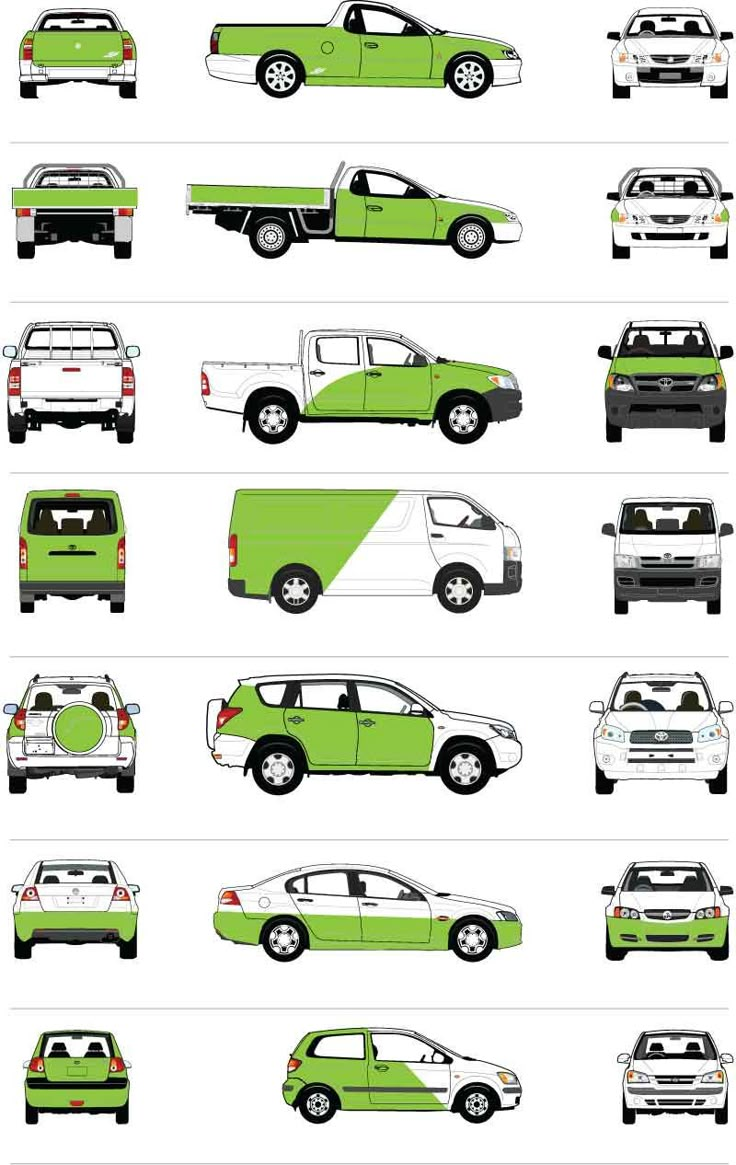
Coverage options range from spot graphics (logos and contact information) to partial wraps (doors, rear panels) to full wraps encompassing entire painted surfaces. Each approach balances impact against cost, with full wraps providing maximum visual disruption and memorability.
Material Science and Specifications
Cast vinyl represents the only suitable material for vehicle wraps due to conformability requirements. Calendared vinyl lacks elasticity for complex curves, resulting in lifting, bubbling, and premature failure. Premium cast films (3M 1080/2080 Series, Avery Dennison Supreme Wrapping Film, Orafol Oracal 970RA) offer 130-150% elongation accommodating body contours, mirrors, and door handles.
Adhesive technologies enable repositioning during installation and clean removal within warranty periods (typically 5-7 years). Air-egress channels (microscopic grooves in adhesive) allow bubble escape during application. Pressure-activated adhesives achieve full bond only after firm squeegee application, enabling initial positioning adjustments.
Overlaminate protection is essential for vehicle applications. Cast overlaminates match base vinyl properties and provide UV resistance, chemical protection (road salts, fuels), and abrasion resistance. Gloss finishes maximize color vibrancy; matte finishes reduce glare and suggest sophistication; satin offers intermediate aesthetics.
Specialty finishes expand creative options: color-shifting films (chameleon effects), carbon fiber textures, brushed metal appearances, and reflective materials for emergency and safety vehicles. These materials command 50-100% premiums over standard colors but create distinctive presence.
Design Principles for Vehicle Graphics
Vehicle contours fundamentally constrain design. Flat templates used for initial design inevitably distort when applied to curved surfaces. Professional designers utilize vehicle-specific templates accounting for body lines, door seams, and compound curves. Critical elements (logos, contact information) avoid high-distortion areas (bumpers, deep curves).
Visibility from multiple angles requires design adaptation. Driver-side graphics differ from passenger-side; rear panels viewed through windshields require reversed consideration. Design must communicate effectively whether vehicle is moving (highway viewing) or parked (pedestrian inspection).
Color psychology and brand consistency guide palette selection. High-contrast combinations maximize visibility; brand colors maintain identity recognition. Dark vehicles may require light graphic elements for visibility; light vehicles accommodate darker designs.
Information hierarchy prioritizes essential messaging: brand identity (largest element), service description, contact information (phone, web, social), and supporting graphics. Over-designing with excessive text reduces impact and memorability.
Production and Installation Process
Surface preparation is labor-intensive but critical. Vehicles require thorough washing, clay bar treatment removing embedded contaminants, and solvent cleaning eliminating wax and oils. Paint damage (chips, scratches) requires touch-up preventing graphic telegraphing. Ceramic coating or paint protection film should be removed from application areas.
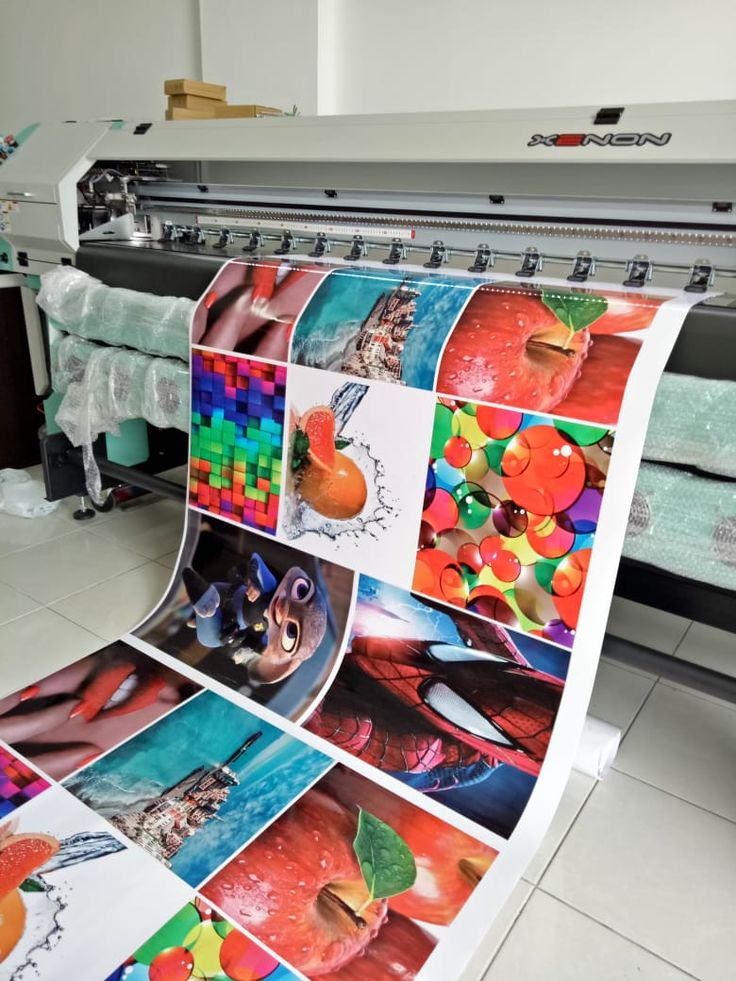
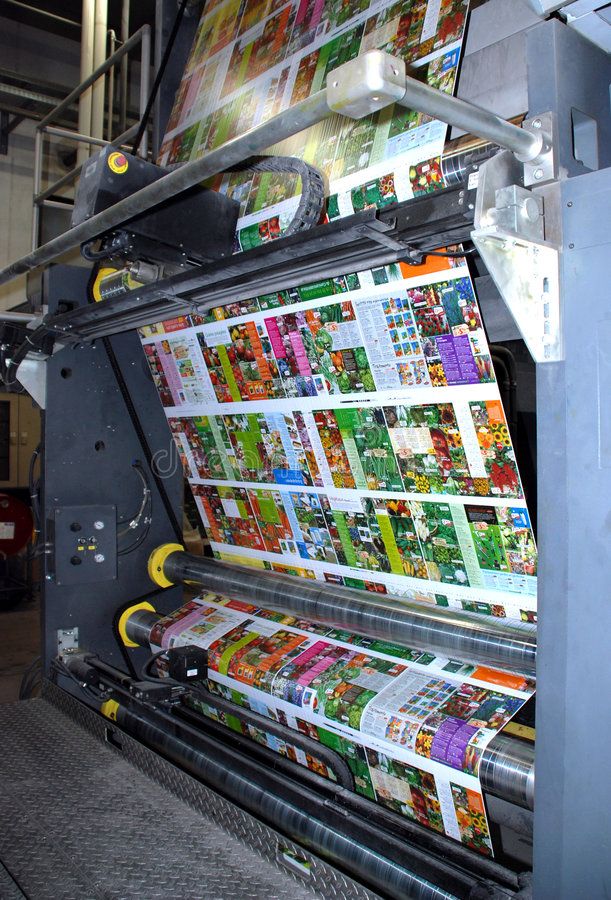
Print production utilizes large format printers outputting to cast vinyl rolls. Color management ensures brand accuracy; laminated prints protect during installation. Post-print inspection identifies defects before vehicle commitment.
Installation requires climate-controlled environments (20-25°C ideal) preventing adhesive premature tack or material rigidity. Professional installers utilize heat guns (max 60°C) activating adhesive and enabling material stretch; squeegees ensuring bond; and precision cutting tools. Complex curves require technique mastery developed through training and experience.
Post-installation care includes: 24-hour curing before washing; avoiding high-pressure washers directly at seams; and prompt repair of any damage preventing water infiltration.
Fleet Management and Logistics
Fleet standardization ensures brand consistency across multiple vehicles. Design templates accommodate various vehicle types (sedans, vans, trucks) while maintaining visual coherence. Color matching across different wrap batches requires spectrophotometric verification.
Phased implementation spreads costs and operational disruption. Priority vehicles (high-visibility routes, executive transport) receive immediate treatment; fleet completion occurs over quarters or years. Temporary magnetic graphics serve vehicles pending permanent wrapping.
Maintenance protocols preserve appearance and longevity. Regular washing prevents contaminant accumulation; immediate repair of damage (tears, lifting) prevents propagation; and annual inspection identifies refresh needs. Fleet graphics typically require refreshment at 3-5 years depending on exposure and maintenance.
Legal and Regulatory Compliance
Vehicle registration and inspection requirements vary by jurisdiction. Graphics must not obscure license plates, lights, or required reflectors. Window coverage restrictions (typically rear side windows only, with visibility requirements) vary by region. Professional installers know local regulations ensuring compliance.
Commercial vehicle markings may require additional regulatory compliance (DOT numbers, company identification, weight classifications). Insurance notification prevents coverage disputes; some insurers offer fleet discounts for branded vehicles (theft deterrence, professionalism).
Cost Analysis and ROI
Vehicle wrap pricing depends on coverage, vehicle size, and material grade. Spot graphics (doors, rear): KES 15,000-35,000. Partial wraps: KES 35,000-65,000. Full wraps: KES 65,000-120,000. Premium materials and complex curves command upper ranges.
Return on investment calculation considers impression generation. A single branded vehicle in urban operation generates 30,000-70,000 daily impressions. Cost-per-thousand-impressions (CPM) compares favorably to all traditional media: outdoor advertising, radio, television, and print.
Secondary benefits include: paint protection (wraps shield factory paint preserving resale value); professionalism enhancing customer confidence; and driver accountability (branded vehicles driven more responsibly).
Luna Graphics provides comprehensive vehicle branding services from design through installation. Our certified installers work with all vehicle types using premium cast vinyl materials. Fleet programs offer volume pricing and maintenance contracts. Contact our vehicle branding specialists to mobilize your marketing.
Written by Ian Love
Marketing Director
Professional contributor at Luna Graphics specializing in printing and branding solutions.