
Wood: Organic Warmth Meets Digital Precision
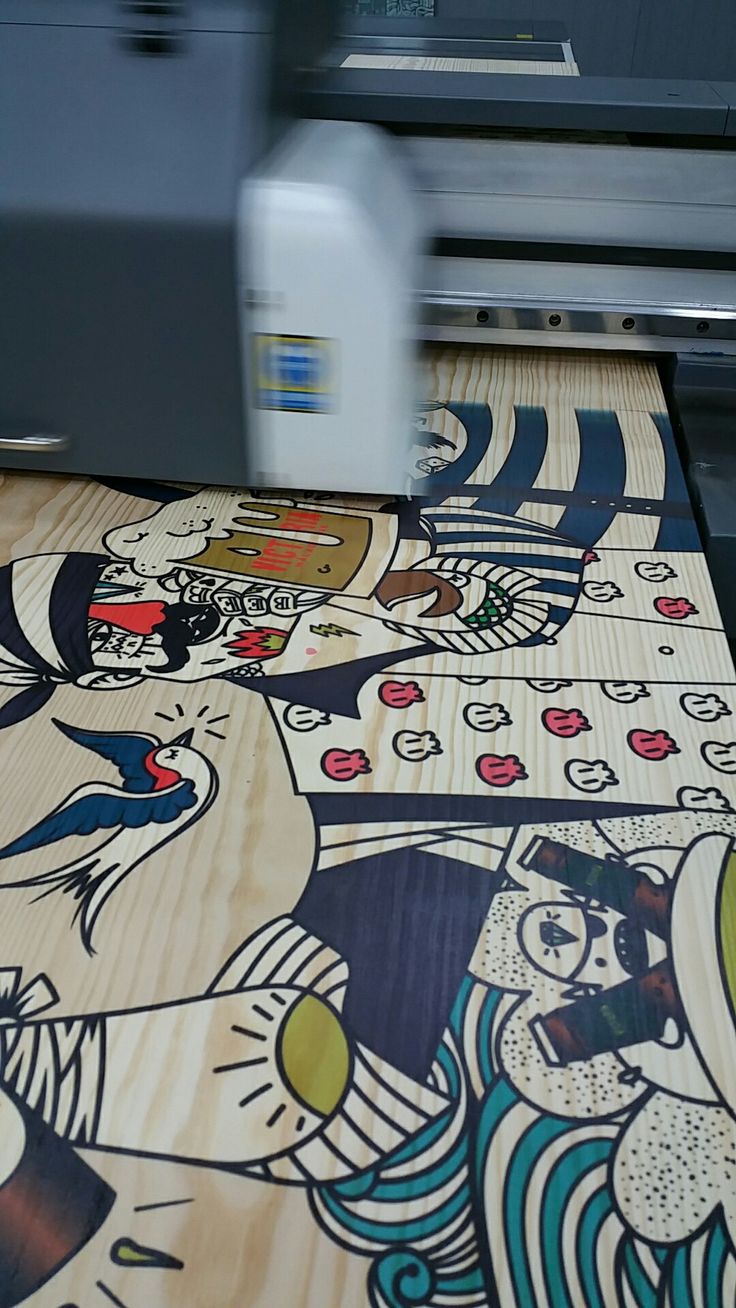
UV printing on wood combines technology's precision with nature's organic variation, creating branded materials that communicate authenticity, sustainability, and craftsmanship. The technique bridges traditional woodworking and modern digital production, enabling customization impossible with conventional wood decoration methods like burning, carving, or staining. For brands seeking differentiation through natural materials, wood UV printing offers compelling possibilities.
Kenya's abundant wood resources and growing environmental consciousness make wood-based branding particularly relevant. Local sourcing opportunities, biodegradable end-of-life, and the warmth wood brings to commercial environments align with contemporary design trends favoring biophilic elements and sustainable materials.
Wood Substrates for UV Printing
Solid Hardwoods: Oak, mahogany, teak, and indigenous Kenyan hardwoods offer durability, grain character, and premium perception. Natural oils and density variations require surface preparation for consistent ink adhesion. Best for high-end signage, awards, and furniture applications where material quality communicates value.
Softwoods: Pine, cedar, and cypress provide economical options with softer grain patterns. Resin content in some softwoods can interfere with adhesion; kiln-dried, seasoned material performs better. Suitable for rustic signage, promotional items, and interior features where hardness isn't critical.
Medium Density Fiberboard (MDF): Engineered wood product with uniform density and smooth surface ideal for detailed UV printing. Consistent substrate eliminates wood's natural variation challenges. Cost-effective for painted or fully-covered applications; edges require sealing. Primary choice for interior signage, displays, and furniture components.
Plywood: Cross-laminated construction provides dimensional stability and structural strength. Birch plywood offers fine surface grain; marine plywood suits humid environments. Excellent for larger installations, structural signage, and applications requiring rigidity without solid wood cost.
Particle Board: Economical engineered product suitable for temporary or low-wear applications. Moisture sensitivity limits use to dry interior environments. Requires thorough sealing to prevent ink absorption into exposed edges.
Reclaimed and Salvaged Wood: Weathered barn wood, pallet wood, and demolition salvage offer unique character and sustainability credentials. Surface contamination, unevenness, and embedded hardware require preparation but reward with unmatched authenticity.
Surface Preparation Essentials
Wood's porosity creates both opportunity and challenge for UV printing. Unsealed wood absorbs ink, dulling colors and creating fuzzy detail. Proper preparation ensures vibrant color, sharp detail, and durable adhesion.
Sanding: Progressive sanding to 220-320 grit creates smooth surface accepting fine detail while retaining subtle wood texture. Excessive sanding closes grain excessively; insufficient sanding leaves surface irregularities showing through print.
Cleaning: Removal of dust, oils, and contaminants essential. Tack cloths, compressed air, and appropriate solvents (avoiding residue) prepare surfaces. Reclaimed wood requires particular attention to embedded dirt, old finishes, and biological growth.
Sealing/Priming: Clear sealers (polyurethane, lacquer, shellac) prevent ink absorption while preserving wood appearance. White primers create opaque base for vibrant color similar to printing on white paper. Dark stains or tinted sealers add warmth while providing sealed surface. Sealer selection affects final appearance significantly—testing mandatory.
Grain Filling (Optional): For perfectly smooth surfaces, grain fillers create level printing plane eliminating wood texture. Necessary for fine detail reproduction or when wood character isn't desired; avoid when organic texture contributes to design intent.
Printing Techniques and Effects
| Technique | Preparation | Result | Best Applications |
|---|---|---|---|
| Natural Grain Visible | Light clear seal | Wood texture shows through image | Rustic, organic branding |
| Smooth Opaque | Grain fill + white prime | Photographic quality, no texture | Detailed imagery, modern aesthetic |
| Distressed/Vintage | Minimal prep, reclaimed wood | Worn, authentic character | Heritage brands, artisanal products |
| Selective Texture | Masking and variable prep | Image and texture integration | Creative signage, art pieces |
| White Ink on Dark Wood | Dark stain seal | Contrast graphics on rich ground | Elegant, sophisticated branding |
| Edge Printing | Sealed edges | Dimensional interest | Thick panels, awards |
Applications and Creative Uses
Rustic Corporate Signage: Reception signs, department identifiers, and wayfinding on wood communicate approachable sophistication. Tech companies, creative agencies, and hospitality venues use wood signage to soften corporate environments and signal values alignment with sustainability.
Restaurant and Hospitality: Menus, table numbers, wall décor, and directional signage in wood complement natural material palettes common in contemporary food service. Durability suits high-traffic environments; warmth enhances dining experience.
Retail Environments: Point-of-sale displays, product stands, and branded fixtures in wood create boutique atmosphere differentiating from plastic-heavy retail. Particularly effective for natural product lines, artisanal goods, and lifestyle brands.
Awards and Recognition: Wood plaques and trophies offer alternatives to traditional crystal or acrylic, particularly for environmental organizations, outdoor recreation companies, or brands with natural positioning. Combination of wood and metal elements creates sophisticated hybrid awards.
Interior Architectural Features: Printed wood panels for wall coverings, ceiling treatments, and room dividers incorporate branding into built environment. Large-format UV printing enables mural-scale imagery on wood substrates.
Promotional Products: Coasters, cutting boards, phone stands, and desk accessories in printed wood offer useful, retained promotional items. Natural material elevates perceived value over plastic alternatives.
Packaging: Premium product boxes, wine crates, and gift packaging in printed wood creates unboxing experiences and reusable containers extending brand presence.
Design Considerations
Embrace Variation: Wood's natural variation—grain patterns, color differences, knots—should be design feature rather than defect to eliminate. Designing with expected variation creates unique pieces; fighting it creates frustration.
Color Expectations: Wood's warm undertones affect printed color appearance. Cool colors (blues, greens) may shift warmer; whites appear cream. Color proofing on actual wood essential for critical brand colors.
Scale and Grain: Large image areas show wood texture more prominently than small detailed areas. Design composition should account for substrate scale—fine detail on rough wood frustrates; bold graphics celebrate material character.
Finish Protection: Printed wood requires clear topcoat protection for durability, particularly for handling or cleaning. Water-based polyurethanes maintain clarity; oil-based adds amber warmth. Matte finishes preserve natural appearance; gloss creates contemporary feel.
Durability and Maintenance
Interior wood UV prints with proper sealing last indefinitely with normal care. Avoid direct water exposure; clean with damp cloth and mild detergent. Reclaimed wood with irregular surfaces may trap dirt requiring brush cleaning. Outdoor applications possible with marine-grade sealing but generally limited to protected areas; solid wood movement with moisture creates adhesion challenges over time.
Luna Graphics offers comprehensive wood UV printing services from material sourcing through finishing. Our workshop includes sanding, sealing, cutting, and joinery capabilities transforming printed panels into finished products. Whether sourcing Kenyan hardwoods, engineered panels, or reclaimed materials, we provide technical guidance ensuring optimal results on this challenging but rewarding substrate.
Written by Ian Love
Marketing Director
Professional contributor at Luna Graphics specializing in printing and branding solutions.