Understanding Traditional Printing Methods
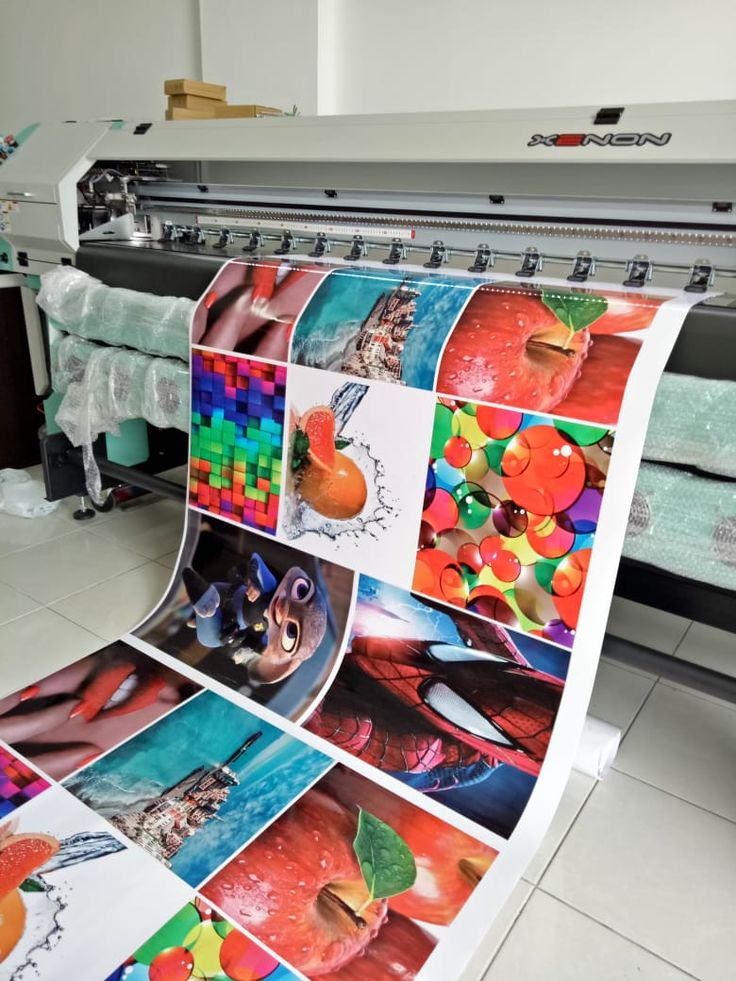
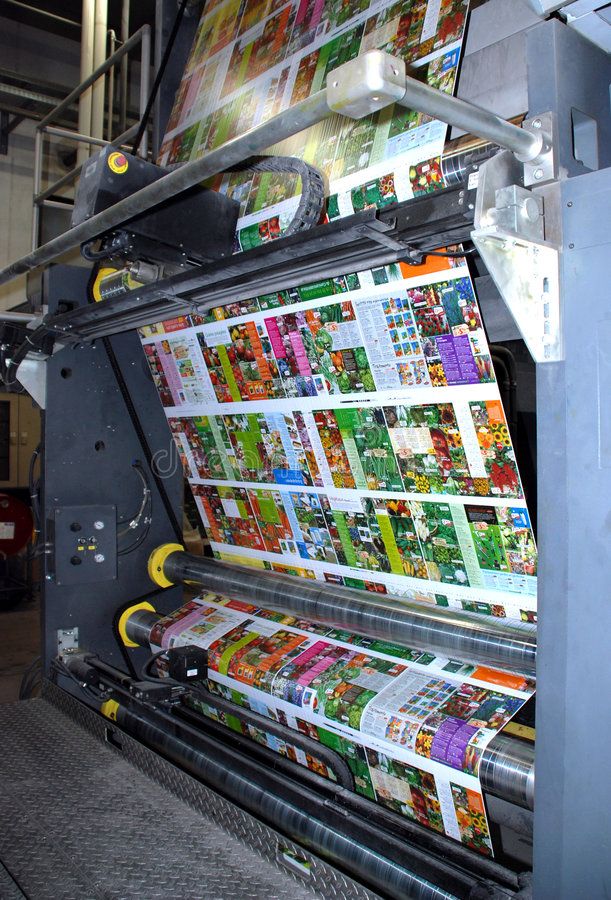
Traditional printing encompasses established technologies that have dominated visual communication for decades. Screen printing, the oldest stencil-based method, forces ink through mesh screens onto substrates using squeegees. This technique excels at high-volume, single-color applications but requires separate screens for each color, making short runs economically unviable. Offset lithography transfers ink from plates to rubber blankets then onto paper, delivering exceptional quality for high-volume publications and packaging. Solvent digital printing emerged as the first computer-controlled wide-format technology, spraying pigment-laden solvents onto vinyl and banner materials that dry through evaporation.
Each traditional method carries inherent limitations that UV printing specifically addresses. Screen printing's setup costs and color registration challenges restrict its flexibility. Offset requires minimum quantities of thousands to achieve unit cost efficiency. Solvent digital printing produces emissions requiring ventilation, demands drying time before handling, and struggles with rigid substrates. Understanding these constraints clarifies UV printing's disruptive value proposition.
Quality Comparison: Resolution, Color, and Detail
UV printing achieves photographic resolution up to 1440 dpi with variable droplet technology, surpassing screen printing's 85-150 line screen equivalent and matching or exceeding offset detail reproduction. Microscopic ink droplets as small as 6 picoliters create smooth gradients without visible screening patterns. Text rendering remains sharp at sizes as small as 4 points, enabling fine print applications impossible with traditional methods.
Color gamut expansion represents UV printing's significant advantage. UV formulations carry higher pigment loads than solvent inks, producing more saturated colors and deeper blacks. The ability to print white ink as a base layer enables vibrant color reproduction on transparent or dark substrates—applications where traditional methods require pre-printed white stocks or accept limited color accuracy. Spot color matching through ICC profiling achieves Delta E values below 2.0, meeting brand color specifications precisely.
Surface texture and dimensional effects distinguish UV output. Selective varnish deposition creates gloss and matte contrasts within single prints, adding tactile and visual sophistication impossible with flat traditional outputs. Embossing effects through layered ink deposition simulate engraving or thermography without secondary processes. These value-added capabilities transform standard prints into premium branded materials.
Substrate Versatility and Material Compatibility
| Substrate Type | UV Printing | Screen Printing | Offset/Litho | Solvent Digital |
|---|---|---|---|---|
| Paper/Cardstock | Excellent | Good | Excellent | Poor (warping) |
| Vinyl/Banners | Excellent | Good | N/A | Excellent |
| Rigid Plastics | Excellent | Moderate | N/A | Poor |
| Metal/Aluminum | Excellent | Moderate | N/A | Poor |
| Glass | Excellent | Moderate | N/A | Poor |
| Wood/MDF | Excellent | Good | N/A | Poor |
| Acrylic/Plexiglas | Excellent | Moderate | N/A | Poor |
| Textiles/Fabric | Moderate | Excellent | N/A | Poor |
| Ceramic/Tile | Excellent | Moderate | N/A | Poor |
Production Speed and Turnaround Analysis
UV printing eliminates drying time—the primary bottleneck in traditional workflows. Solvent prints require 12-24 hours for complete outgassing before finishing or installation. Screen-printed items need rack drying between colors, extending multi-color production to days. UV output emerges fully cured and immediately handleable, enabling same-day delivery for urgent projects that would require overnight drying with traditional methods.
Setup efficiency favors UV for short runs and variable data. Digital file processing replaces physical plate making or screen preparation, reducing job setup from hours to minutes. This efficiency makes quantities as low as one piece economically viable—impossible with offset's plate costs or screen printing's stencil preparation. For personalized applications or versioning requirements, UV printing offers unmatched flexibility.
High-volume economics present nuanced comparisons. Screen printing achieves lower unit costs above 500-1000 identical pieces through amortized setup across quantity. Offset dominates quantities exceeding 5,000 identical sheets. However, UV printing's "print-on-demand" capability eliminates inventory costs and obsolescence risks that erode traditional methods' apparent cost advantages. For many Kenyan businesses, UV's flexibility outweighs marginal per-piece savings from traditional methods.
Durability and Environmental Resistance
UV-cured inks form cross-linked polymer films chemically bonded to substrates, creating durability unmatched by traditional methods. Solvent inks remain thermoplastic—softening with heat and susceptible to scratching. Screen printing durability varies enormously by ink formulation, with many standard graphics requiring overlamination for outdoor use. UV prints typically carry 3-5 year outdoor warranties without additional protection, with premium formulations extending to 7+ years.
Chemical resistance distinguishes UV prints for industrial and healthcare applications. Cured polymers withstand cleaning solvents, disinfectants, and moderate chemical exposure that would dissolve or soften traditional prints. This characteristic makes UV printing preferred for equipment labels, safety signage, and healthcare environments requiring frequent sanitization.
Flexibility and impact resistance vary by specific UV formulation. Rigid UV inks on flexible substrates may crack during folding or creasing, requiring careful material selection or flexible ink formulations. Modern "stretchable" UV inks address this limitation, maintaining adhesion and integrity on materials requiring post-print fabrication. Consultation with printing professionals ensures appropriate ink selection for specific application requirements.
Environmental Impact and Regulatory Compliance
UV printing's elimination of solvent emissions represents its most significant environmental advantage. Solvent digital printing releases volatile organic compounds (VOCs) regulated by Kenya's Environmental Management and Coordination Act. Traditional screen printing utilizes solvent-based inks requiring ventilation and waste handling protocols. UV curing converts 100% of liquid ink to solid polymer with zero atmospheric emissions, enabling indoor production without environmental permits or air quality concerns.
Waste reduction accompanies UV printing's precision. Digital workflow eliminates make-ready waste from press setup—typically 50-200 sheets per job for offset printing. On-demand production eliminates obsolete inventory that traditional methods' minimum quantities create. These factors reduce material consumption and waste generation substantially compared to conventional approaches.
Energy consumption comparisons favor modern LED-UV systems. While mercury UV lamps consume substantial power, LED curing reduces energy requirements 60-80% compared to traditional drying ovens or solvent evaporation systems. The elimination of drying infrastructure and ventilation further reduces operational energy footprints.
Cost Analysis: Total Cost of Ownership
Direct cost comparisons require analysis beyond per-square-meter pricing. UV printing typically commands 15-30% premium over solvent digital printing for standard vinyl applications. However, elimination of lamination requirements, faster turnaround enabling tighter deadlines, and reduced waste often offset this premium. Screen printing becomes cost-competitive only above quantity thresholds where setup costs amortize effectively.
Capital investment considerations favor UV for print service providers. Single UV flatbed printers replace multiple traditional technologies—handling rigid substrates, roll materials, and specialty applications previously requiring separate equipment. This consolidation reduces facility requirements, operator training, and maintenance complexity compared to maintaining diverse traditional printing capabilities.
Total cost of ownership calculations must include durability benefits. UV prints' extended lifespan reduces replacement frequency for signage and displays. Immediate curing eliminates work-in-progress inventory carrying costs. These operational advantages frequently make UV printing the most economical choice despite higher initial output costs.
Luna Graphics provides comprehensive printing technology consultation to match your specific requirements with optimal production methods. Our facility operates UV, solvent, and screen printing systems, enabling unbiased recommendations based on your project's quantity, quality requirements, budget, and timeline. Contact our estimating team for detailed comparisons specific to your upcoming branding projects.
Written by Ian Love
Marketing Director
Professional contributor at Luna Graphics specializing in printing and branding solutions.