
Digital Printing Technology Landscape
Wide-format digital printing offers multiple technology options, each with distinct characteristics suiting different applications. UV and eco-solvent printing represent two dominant technologies with overlapping but distinct capabilities. Understanding technical differences enables informed selection matching production method to project requirements. This analysis provides objective comparison guiding Kenyan print buyers toward optimal technology choices.
Fundamental Technology Differences
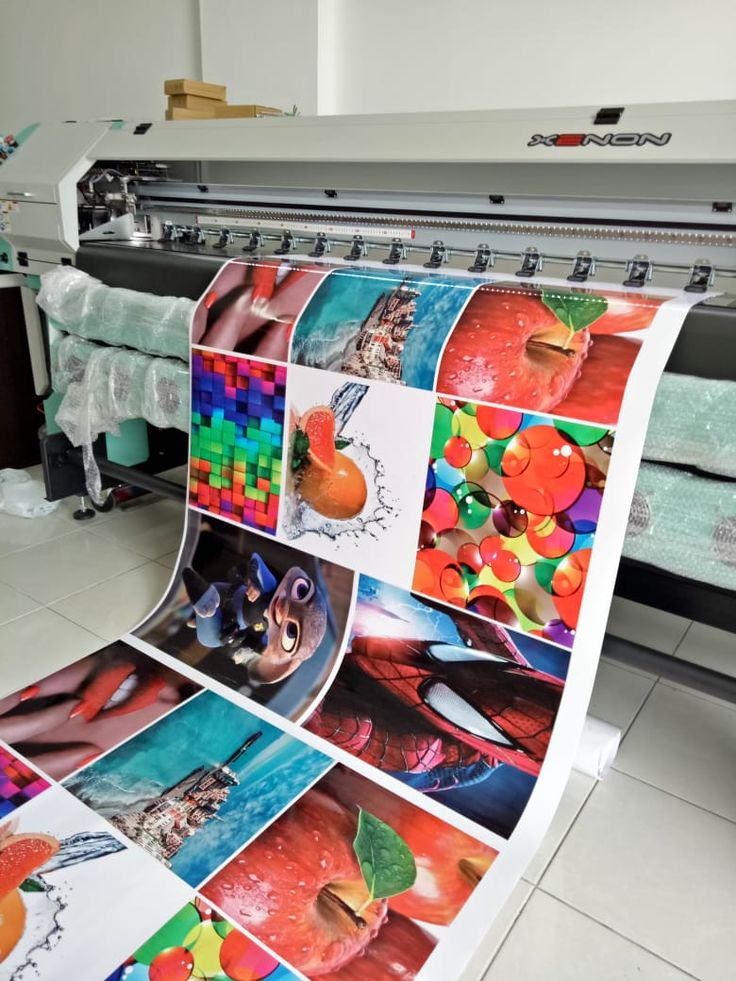
Eco-Solvent Printing: Piezoelectric printheads deposit pigment-loaded solvent inks onto media. Solvents soften substrate surface enabling ink penetration; evaporation leaves pigment embedded. Heat accelerates drying but complete outgassing requires 24+ hours.
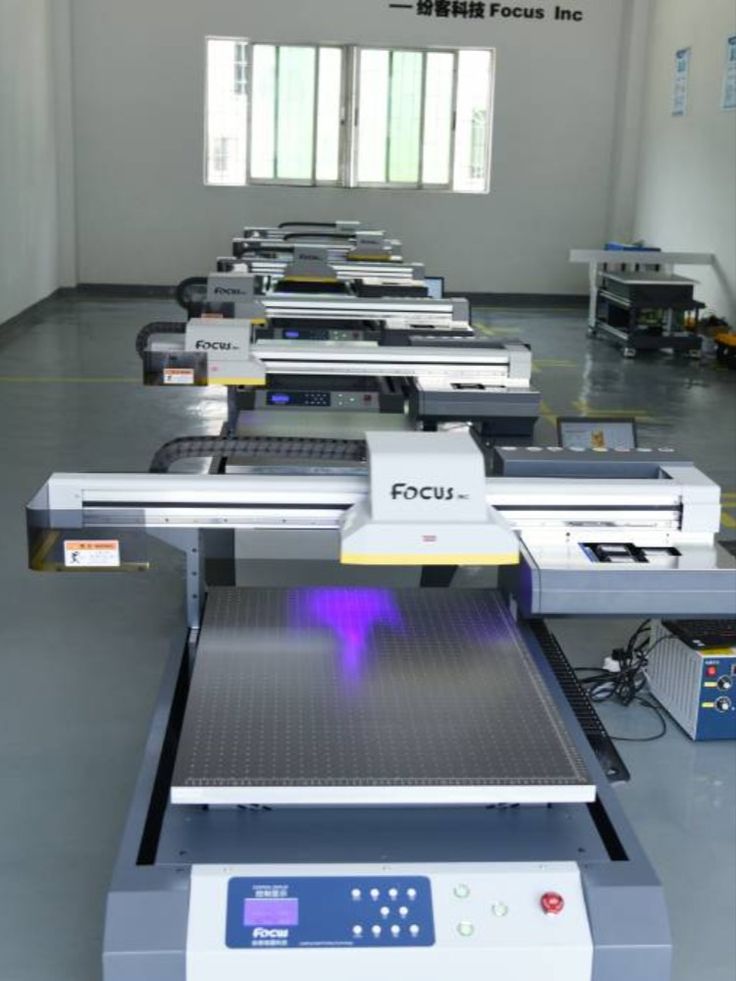
UV Printing: Liquid monomers and oligomers with photoinitiators deposited similarly but cured instantly via UV light exposure. Photochemical reaction polymerizes liquid into solid plastic film bonded to surface.
Comparative Analysis
| Characteristic | UV Printing | Eco-Solvent | Implication |
|---|---|---|---|
| Curing mechanism | UV light polymerization | Solvent evaporation | UV instant, solvent delayed |
| Drying time | Immediate | 12-24 hours | UV faster turnaround |
| Substrate range | virtually any | Primarily vinyl, banner, paper | UV more versatile |
| Rigid substrate capability | Native flatbed | Limited, special systems | UV preferred for rigid |
| White ink | Standard capability | Limited availability | UV enables dark substrate |
| Outdoor durability | 3-5 years | 3-5 years with lamination | Comparable with protection |
| Flexibility | Rigid when cured | Flexible, stretchable | Solvent better for textiles |
| VOC emissions | Zero | Low but present | UV environmentally preferable |
| Odour | None when cured | Present during outgassing | UV suitable for indoor |
| Cost per sqm | Higher | Lower | Solvent economical for volume vinyl |
Application-Specific Recommendations
Choose UV When: Rigid substrates required (acrylic, metal, wood, glass); immediate handling needed; white ink or opacity control necessary; premium appearance prioritized; indoor air quality concern; complex shapes or objects; durability without lamination desired.
Choose Eco-Solvent When: Flexible materials primary (vinyl banners, vehicle wraps); cost minimization critical; large volume vinyl production; textile applications requiring stretch; outdoor banners with lamination acceptable; solvent-compatible substrates only.
Substrate Compatibility Deep Dive
UV Exclusive: Glass, metal, acrylic, wood, ceramic, rigid plastics, 3D objects. These substrates require UV technology or alternative decoration methods.
Eco-Solvent Preferred: Untreated textiles, stretchable films, heat-sensitive materials. Solvent's flexibility and lower heat advantageous.
Both Suitable: Vinyl banner, adhesive vinyl, paper, poster materials. Selection based on turnaround, durability requirements, and cost.
Quality Characteristics
Color Gamut: Both technologies achieve wide gamut; UV slightly broader due to ink formulation flexibility. Neither matches offset or dye-sublimation for specific applications.
Detail Resolution: Comparable with modern printheads; both achieve 1440+ dpi. Resolution limited by substrate texture more than technology.
Durability: UV inherently more durable due to cross-linked polymer structure; eco-solvent requires lamination for equivalent outdoor life. UV's chemical resistance superior.
Finish Options: UV offers inline varnish (gloss, matte, textured); eco-solvent typically requires separate lamination for finish variation.
Environmental and Safety
VOC Emissions: UV zero-emission process; eco-solvent low-VOC but requiring ventilation. UV preferred for indoor production and sensitive environments.
Waste: UV generates less waste (no lamination required, instant curing preventing defects); eco-solvent laminate waste and potential drying defects.
Energy: UV LED systems highly efficient; eco-solvent heating requirements moderate. UV advantage increasing with LED technology adoption.
Economic Analysis
Capital Investment: UV flatbed systems significantly more expensive than eco-solvent roll-to-roll. Service provider capability selection reflects this investment.
Operating Costs: UV inks cost more per liter; eco-solvent media often less expensive. Total job cost depends on substrate and finishing requirements.
Productivity: UV's instant curing enables higher effective throughput despite similar print speeds; no drying bottleneck or work-in-progress inventory.
Market Positioning in Kenya
Both technologies serve Kenyan market:
Eco-Solvent: Dominates banner and vinyl market; established infrastructure; economy positioning.
UV: Growing capability for premium applications; signage, décor, and industrial markets; quality differentiation.
Converging capabilities as UV becomes more cost-competitive and eco-solvent improves white ink and rigid options.
Luna Graphics operates both UV and eco-solvent systems, providing unbiased technology recommendation based on project requirements. Our consultation prioritizes client objectives—cost, quality, timeline, and durability—over technology preference. Contact our estimating team for comparative quotes and technology guidance.
Written by Ian Love
Marketing Director
Professional contributor at Luna Graphics specializing in printing and branding solutions.