The Nairobi UV Printing Landscape
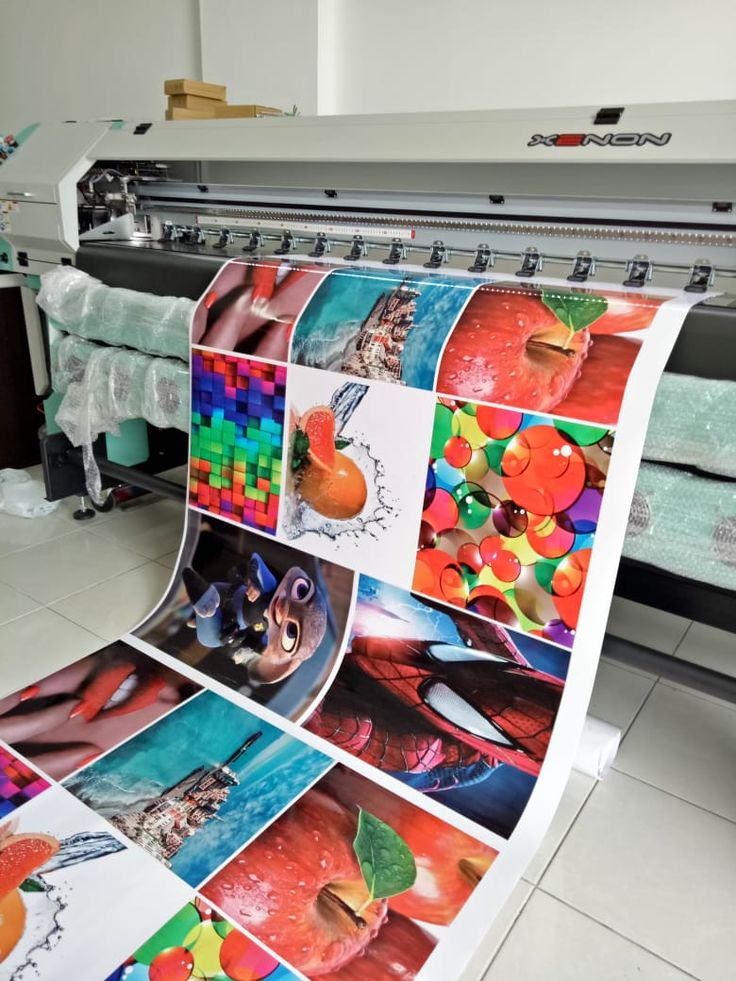
Nairobi's UV printing market has expanded rapidly, with capabilities ranging from desktop-sized hobby equipment to industrial flatbed systems handling 3-meter substrates. This diversity creates significant quality and capability variation that informed buyers must navigate. Understanding provider differentiation, equipment specifications, and quality indicators ensures successful project outcomes and optimal value.
Market segmentation separates providers into distinct categories: commercial print shops offering UV as one of multiple services; specialized signage companies focusing on architectural and display applications; industrial decorators handling volume production for manufacturers; and boutique operations serving creative agencies and premium brands. Each segment optimizes for different project types, with capability mismatches causing disappointment when buyers select inappropriate providers.
Evaluating Provider Capabilities
Equipment specifications fundamentally determine output quality and application range. Bed size indicates maximum substrate dimensions—critical for large signage or architectural panels. Printhead configuration affects resolution and speed; industrial printers utilize multiple printheads for production efficiency while entry-level systems trade speed for capital cost. White ink and varnish capabilities enable applications impossible with basic CMYK-only systems.
Material handling expertise distinguishes professional operations from equipment owners. UV printing's substrate versatility requires knowledge of surface preparation, ink adhesion optimization, and finishing techniques. Providers lacking material science understanding produce inconsistent results across different substrates or fail entirely with challenging materials like glass or untreated metals.
Color management infrastructure ensures predictable results. ICC profiling, spectrophotometer-based color matching, and consistent maintenance protocols separate quality-focused providers from commodity operations. Requesting sample prints on intended substrates before committing to large projects reveals color management competence.
Critical Questions Before Placing Orders
| Question Category | Specific Inquiry | Why It Matters | Acceptable Response |
|---|---|---|---|
| Equipment | What printer models and bed sizes? | Determines size/material limits | Specific manufacturer/model |
| Capabilities | White ink and varnish available? | Enables premium applications | Yes, with sample demonstration |
| Materials | What substrates do you stock? | Indicates experience range | Diverse inventory or sourcing capability |
| Quality | What resolution and color profiling? | Predicts output quality | 1440+ dpi, ICC profiled |
| Finishing | What post-print services offered? | Completes usable products | Cutting, routing, installation |
| Turnaround | Standard and rush production times? | Matches project timelines | 24-72 hours standard |
| Warranty | Quality guarantees and reprint policy? | Risk mitigation | Satisfaction guaranteed |
| Experience | Similar project portfolio? | Relevant expertise | Documented case studies |
File Preparation and Technical Requirements
Resolution standards ensure crisp output. Raster images require 150-300 dpi at final print size—higher resolutions waste file size without quality improvement. Vector graphics scale infinitely and remain preferred for logos, text, and geometric designs. Submitting web-resolution images (72 dpi) produces pixelated results regardless of printer capability.
Color mode management prevents unexpected shifts. Design files should utilize CMYK color space matching printer ink configurations. RGB files undergo conversion that may alter colors significantly—particularly bright blues and oranges that exceed CMYK gamut. Specifying Pantone colors enables precise matching when brand standards require specific hues.
Bleed and safety margins accommodate production variation. Extending background colors 3-5mm beyond cut lines ensures edge-to-edge coverage despite minor registration variations. Keeping critical content 5-10mm from edges prevents important information from being trimmed. These standard practices prevent costly errors in finished pieces.
White ink specifications require explicit communication. When printing on transparent or dark materials, designers must specify where white ink deposits as base layer or highlight element. Professional providers request separate white ink layers in design files or provide templates indicating specification methods.
Pricing Structures and Value Assessment
Pricing methodologies vary across providers. Per-square-meter rates dominate large format applications, with premiums for white ink, varnish, or difficult substrates. Setup fees apply to small quantities to cover file processing and machine preparation. Finishing services—cutting, routing, installation—typically add 20-40% to print costs.
Material costs significantly impact total project pricing. Premium substrates like cast acrylic or brushed aluminum cost 3-5 times economy alternatives. Providers should offer material options at different price points with durability and appearance trade-offs clearly explained. Lowest-quotes often reflect inferior materials rather than operational efficiency.
Value assessment extends beyond unit pricing. Quality differences affect effective cost—prints requiring replacement due to poor adhesion or color inaccuracy cost more than premium initial production. Turnaround speed, design assistance, installation support, and warranty terms contribute to total value that pure price comparison misses.
Quality Verification and Acceptance Criteria
Pre-production proofs prevent costly errors. Digital proofs display color and composition on calibrated monitors, while physical proofs on actual substrate materials reveal final appearance including substrate texture and ink interaction. Large or critical projects warrant physical proof approval before full production.
Inspection protocols ensure acceptable delivery. Examine prints under consistent lighting—daylight or 5000K standard illuminant—to assess color accuracy. Check registration and sharpness at text edges and fine detail areas. Verify adhesion through tape testing or scratch resistance sampling. Document any defects immediately for correction or replacement.
Performance validation confirms durability claims. Outdoor signage should demonstrate water resistance, UV stability, and adhesion through initial exposure period. Establish warranty terms for color fading, delamination, or other failure modes, with clear remediation procedures.
Common Pitfalls and How to Avoid Them
Substrate incompatibility causes frequent failures. Not all materials accept UV ink equally—polypropylene, certain nylons, and highly polished surfaces require specific preparation or primers. Experienced providers test adhesion before production or recommend alternative materials achieving similar appearance with better ink compatibility.
Color expectation mismatches disappoint inexperienced buyers. UV printing produces vibrant colors but cannot reproduce all RGB or Pantone shades exactly. Metallic effects, neon colors, and certain deep blues challenge CMYK ink sets. Providers should communicate limitations and offer alternatives before production.
Dimensional stability affects large prints. Substrates expand and contract with temperature and humidity, potentially causing misregistration in multi-panel installations or dimensional changes affecting mounting. Professional providers account for these factors in production planning and installation specifications.
Luna Graphics operates Nairobi's most comprehensive UV printing facility, with flatbed and roll-to-roll systems handling materials to 3.2 x 2.0 meters. Our technical consultation process ensures optimal material and production method selection for each project, eliminating the uncertainty that compromises results with less experienced providers. Schedule a facility tour and capability review to experience the difference that professional UV printing infrastructure delivers.
Written by Ian Love
Marketing Director
Professional contributor at Luna Graphics specializing in printing and branding solutions.