
Environmental Factors Affecting Print Performance
UV printing's versatility spans indoor and outdoor applications, but environmental exposure dramatically influences material selection, ink specifications, and design approaches. Understanding these environmental interactions ensures appropriate specification—indoor materials used outdoors fail prematurely, while over-specifying outdoor-rated materials for interior applications wastes budget without performance benefit.
Kenya's climate presents specific challenges: intense equatorial ultraviolet radiation accelerates fading; seasonal rainfall patterns create moisture exposure; temperature variations stress material adhesion; and urban dust and pollution abrade surfaces. These factors make proper indoor/outdoor specification particularly critical for local applications.
Indoor Application Specifications
Indoor UV printing prioritizes aesthetic refinement over extreme durability. Controlled environments eliminate UV radiation, precipitation, and temperature extremes, allowing broader material selection and specialized ink formulations optimized for appearance rather than weather resistance.
Material options expand significantly for indoor use. Acrylics, fine woods, uncoated metals, and delicate substrates impractical for outdoor exposure perform excellently indoors. Interior applications favor materials selected for appearance—crystal-clear acrylics, natural wood grains, brushed metal finishes—rather than weather-resistant alternatives compromising aesthetics.
Ink formulations for indoor applications emphasize color gamut and gloss optimization over extreme durability. Standard UV inks provide adequate scratch resistance and lightfastness for interior lighting conditions while delivering maximum color vibrancy. Specialized indoor inks may offer enhanced flexibility for applications requiring post-print fabrication or handling.
| Indoor Application | Recommended Substrates | Ink Specification | Design Considerations |
|---|---|---|---|
| Reception/Office Signage | Cast acrylic, aluminum composite, wood | Standard UV, optional texture varnish | Refined finishes, brand color precision |
| Point-of-Sale Displays | Foam board, PVC, acrylic | Standard UV, white ink base | High impact, temporary durability acceptable |
| Wall Graphics/Murals | Wallpaper, canvas, acrylic panels | Low odor, flexible formulations | Large format, fine art reproduction |
| Menu Boards | Acrylic, laminated wood, metal | Food-safe if near service | Easy cleaning, grease resistance |
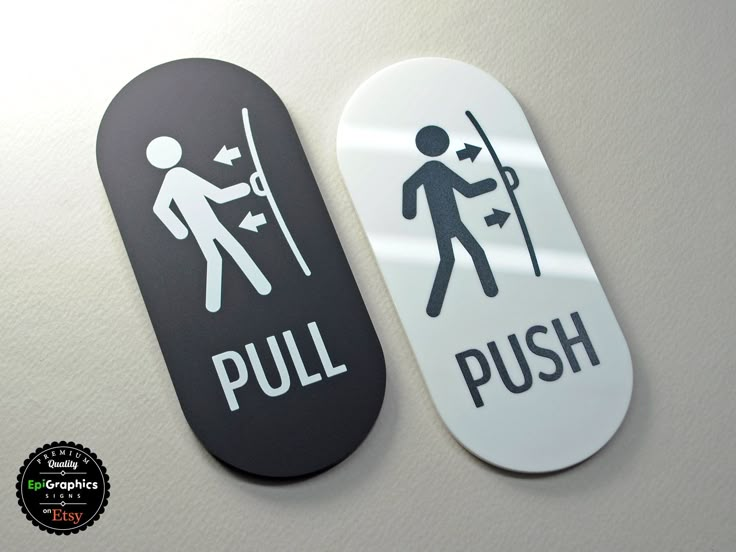
| Wayfinding Systems | Acrylic, aluminum, glass | Standard UV, matte finish | Legibility, ADA compliance if applicable |
| Decorative Elements | Glass, mirror, specialty substrates | Enhanced adhesion primers | Aesthetic priority, unique materials |
| Exhibition Displays | Lightweight foam, fabric, acrylic | Transport-durable flexibility | Modular, reusable systems |
Outdoor Application Requirements
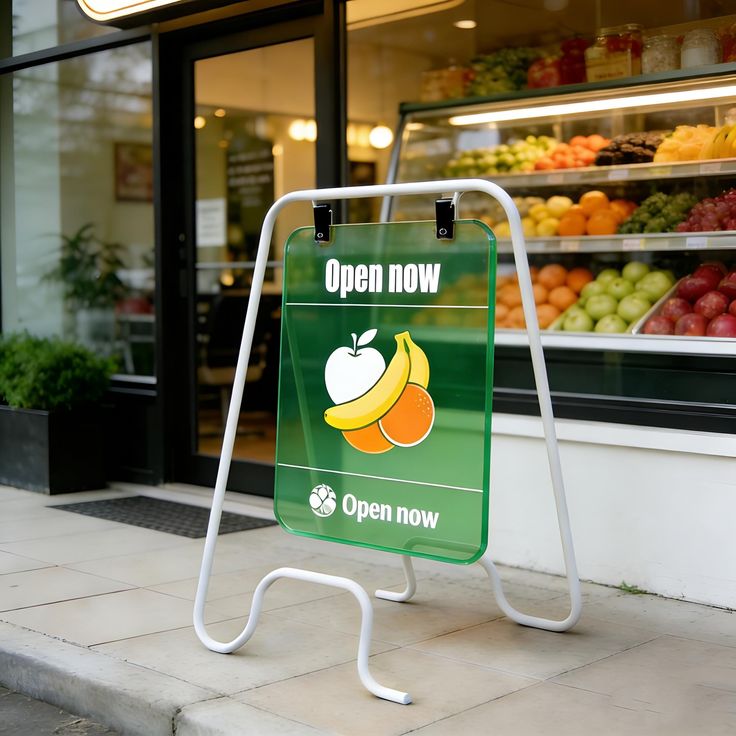
Outdoor UV printing demands materials and inks engineered for environmental stress. Substrates must resist moisture absorption, thermal expansion, and UV degradation. Inks require enhanced lightfastness pigments and weather-resistant polymer formulations maintaining adhesion and appearance through years of exposure.
Material selection for outdoor applications prioritizes weather resistance. Aluminum composites, rigid PVC, polycarbonate, and specifically engineered outdoor plastics replace interior-oriented materials. Metal substrates require corrosion-resistant finishes or appropriate alloys. Wood and natural materials generally require protective coatings or are avoided for permanent outdoor installation.
Outdoor ink formulations incorporate higher-grade photoinitiators and UV stabilizers preventing polymer degradation from sunlight exposure. Pigment selection emphasizes inorganic and high-stability organic colors resisting photochemical fading. These specialized formulations cost 20-40% more than standard inks but deliver 3-7 year color retention versus months for inadequate alternatives.
Substrate Deep Dive: Indoor vs Outdoor Performance
Acrylic (Cast vs. Extruded): Cast acrylic offers superior optical clarity and weather resistance suitable for premium outdoor signage, though at higher cost. Extruded acrylic suffices for indoor applications with shorter expected lifespans. Both provide excellent UV print adhesion and color vibrancy.
Aluminum Composites: Polyethylene-core aluminum composite suits indoor and temporary outdoor applications economically. Fire-rated mineral-core versions meet building codes for high-rise exterior applications. Solid aluminum provides maximum outdoor durability for architectural signage but at premium pricing.
PVC and Foam Boards: Interior-grade PVC foam boards offer economical solutions for short-term indoor displays. Exterior-grade cellular PVC (expanded or solid) withstands outdoor conditions indefinitely. Density and cell structure determine both print quality and environmental resistance.
Polycarbonate: Superior impact resistance and temperature stability make polycarbonate ideal for demanding outdoor applications—safety signage, industrial environments, or high-wind areas. Higher material cost than acrylic but exceptional durability justifies investment for critical applications.
Wood and Natural Materials: Generally restricted to indoor or covered outdoor applications. Exterior use requires marine-grade sealers and maintenance schedules. UV printing on wood excels for rustic interior branding but faces swelling, rot, and adhesion challenges in exposed outdoor conditions.
Design Adaptations for Environment
Color selection considers environmental fading. Bright reds, oranges, and purples fade fastest under UV exposure regardless of ink quality. Outdoor designs should emphasize blues, greens, and earth tones with inherently better lightfastness, or accept that vibrant warm colors require earlier refresh cycles.
Contrast and legibility requirements differ by viewing environment. Outdoor signage competes with visual clutter and variable lighting, requiring bolder contrasts and larger type than refined indoor environments permit. Indoor applications can utilize subtler palettes and finer detail appropriate to controlled viewing conditions.
Finish selection affects both appearance and maintenance. High-gloss finishes maximize color impact indoors but create glare issues and show dirt readily outdoors. Matte or satin finishes suit outdoor applications better, reducing glare and concealing environmental soiling. Textured finishes add tactile interest indoors but may accumulate outdoor contaminants.
Installation and Mounting Considerations
Indoor mounting prioritizes aesthetics and building protection. Standoffs, concealed fasteners, and adhesive systems suitable for interior wall surfaces dominate. Weight limitations are relaxed, allowing heavier materials and substantial dimensional elements. Climate-controlled environments eliminate thermal expansion concerns permitting tighter tolerances.
Outdoor installation demands structural engineering for wind loads, thermal movement accommodation, and weather sealing. Mechanical fastening predominates over adhesives for permanent installation. Expansion gaps prevent buckling from temperature cycling. Drainage prevents moisture accumulation behind panels. These requirements add cost and complexity but ensure longevity.
Maintenance access influences specification. Outdoor installations at height or in difficult locations favor maximum durability minimizing maintenance frequency. Indoor applications in accessible locations tolerate materials requiring more frequent care or replacement.
Hybrid Applications and Transition Spaces
Covered outdoor areas—patios, verandas, parking structures—present intermediate conditions requiring judgment. Protected from direct precipitation but exposed to humidity, dust, and partial UV, these spaces may accept interior-rated materials with accelerated aging expectations, or warrant outdoor specification for longevity.
Climate-controlled transition spaces (lobbies, atriums) generally permit indoor specifications despite building envelope adjacency. However, direct sunlight exposure through glazing creates UV damage risk requiring outdoor-rated inks even for technically interior installations.
Temporary outdoor applications—event signage, construction hoarding, political campaigns—may utilize economy materials accepting shorter lifespans. UV printing's durability advantages remain relevant even for temporary use, but cost optimization permits material downgrading when 6-12 month service life suffices.
Luna Graphics provides environment-specific consultation ensuring your UV printing specifications match actual service conditions. Our material scientists and application engineers assess exposure conditions, durability requirements, and budget constraints to recommend optimal indoor or outdoor solutions. Contact our technical team for specification review before finalizing your next signage project.
Written by Ian Love
Marketing Director
Professional contributor at Luna Graphics specializing in printing and branding solutions.