The Evolution of Brand Communication Technology
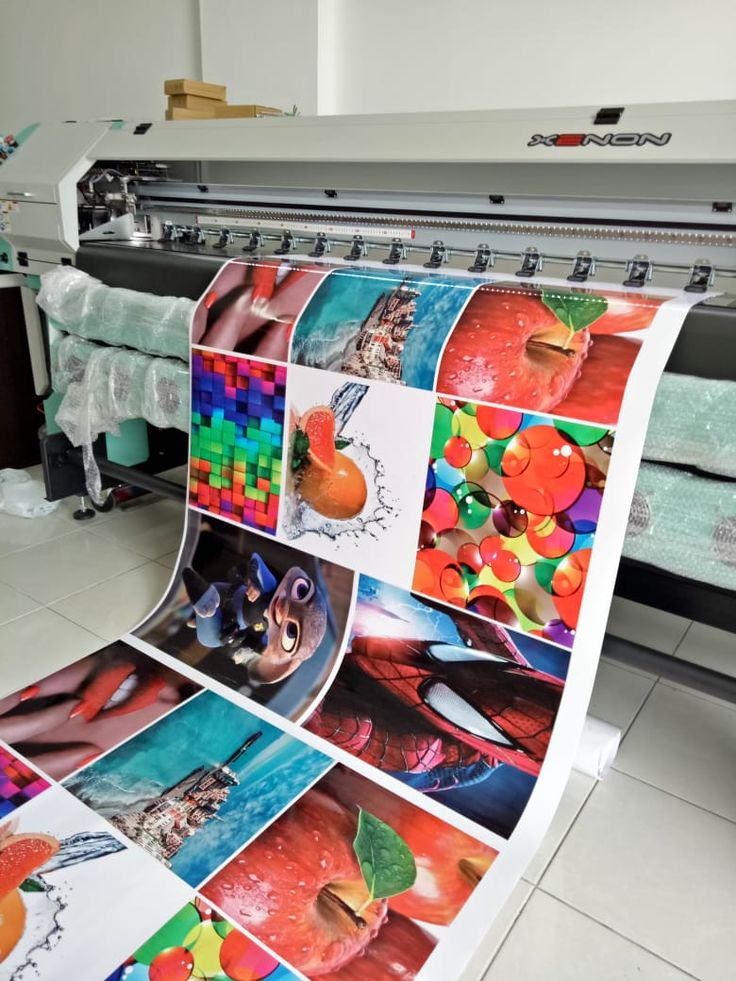
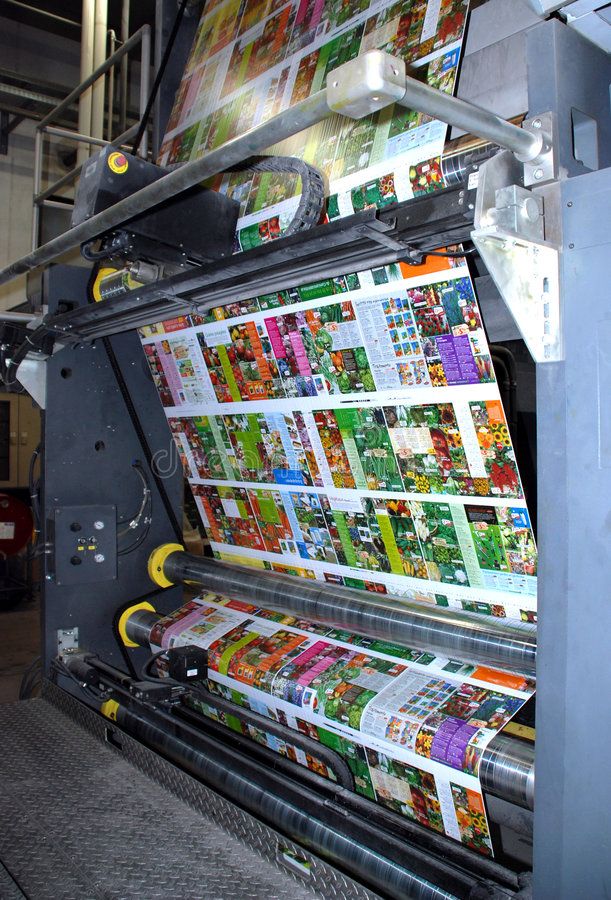
Branding has undergone fundamental transformation from static, mass-produced identifiers to dynamic, personalized experiences. Traditional printing technologies developed for an era of centralized production and limited customization increasingly constrain creative expression and operational efficiency. UV printing emerges as the technological platform enabling next-generation brand communication through its convergence of digital flexibility, material versatility, and production efficiency.
Global market research indicates accelerating adoption: the UV printing market projects 6.8% annual growth through 2030, outpacing traditional printing segments experiencing decline or stagnation. This trajectory reflects not merely technological substitution but capability expansion—UV printing enables applications and business models impossible with previous generations of equipment. Understanding these emerging capabilities reveals why forward-thinking brands are transitioning core visual communication to UV platforms.
Personalization at Scale: The Mass Customization Revolution
Variable data printing transforms generic materials into personalized experiences. UV systems modify every printed piece with unique imagery, text, or codes without slowing production. Retailers produce location-specific signage reflecting neighborhood demographics. Event organizers create individualized attendee experiences. Product packaging incorporates unique identifiers for authentication or customer engagement.
Versioning efficiency enables market segmentation previously uneconomical. Package designs targeting different consumer demographics, seasonal variations of permanent signage, or language-specific materials for Kenya's diverse markets become practical at small quantities. This capability supports precision marketing strategies that improve conversion rates and customer relevance.
On-demand production eliminates forecast risk. Brands produce materials in response to actual demand rather than predicting requirements months ahead. This shift from "push" to "pull" production reduces waste, enables rapid response to market trends, and supports just-in-time inventory strategies that free working capital.
Sustainability as Brand Imperative
| Sustainability Factor | UV Printing Advantage | Traditional Method Impact | Brand Benefit |
|---|---|---|---|
| VOC Emissions | Zero atmospheric emissions | High solvent release | Regulatory compliance, health |
| Energy Consumption | LED systems 80% more efficient | Drying ovens, ventilation | Carbon footprint reduction |
| Material Waste | Digital workflow, no make-ready | Setup waste, overruns | Resource efficiency |
| Durability/Longevity | 3-7 year lifespan | 1-3 year replacement cycle | Reduced consumption |
| Recyclability | Single-material construction | Multi-layer laminates | End-of-life simplicity |
| Local Production | Distributed manufacturing | Centralized, shipped | Transportation reduction |
Material Innovation and Expanded Applications
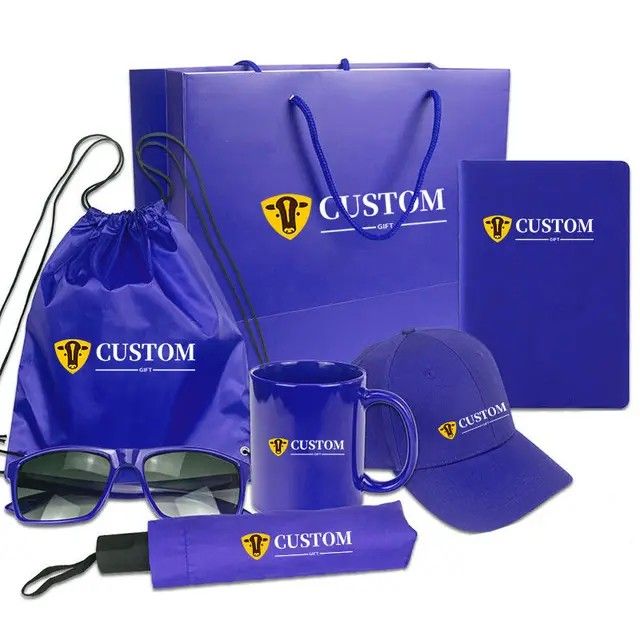
Substrate diversity enables experiential branding beyond traditional rectangles. UV printing decorates three-dimensional objects—bottles, devices, promotional products—with photographic quality graphics. Textured materials—brushed metal, woven fabrics, natural stone—receive permanent branding without altering tactile characteristics. Transparent and translucent materials create layered dimensional effects through white ink capabilities.
Smart packaging integration positions UV printing at the intersection of physical and digital experiences. Printed electronics, NFC tags, and conductive inks applied through UV processes create packaging that communicates with smartphones, authenticates products, or tracks supply chains. These capabilities transform passive containers into interactive brand touchpoints.
Architectural integration expands branding into built environments. UV-printed glass partitions, metal wall panels, and ceramic surfaces transform structural elements into communication media. This convergence of architecture and graphics creates immersive brand environments that influence customer perception and behavior throughout physical spaces.
Technological Convergence and Capability Expansion
Hybrid production systems combine UV printing with complementary technologies. Laser cutting integrated into printing workflows produces custom shapes without secondary processing. CNC routing creates dimensional signage with printed surfaces. These convergences streamline production, reduce handling damage, and enable complex fabrications previously requiring multiple suppliers.
Ink technology advances expand application possibilities. Flexible UV formulations maintain adhesion on materials requiring post-print bending or folding. Food-safe UV inks enable direct printing on packaging contacting consumables. Biodegradable ink formulations address end-of-life environmental concerns. These specialized formulations extend UV printing into regulated and sensitive applications.
Automation and artificial intelligence optimize production efficiency. Automated nesting algorithms maximize material utilization. Vision systems detect and compensate for substrate irregularities. Predictive maintenance minimizes downtime. These intelligent systems reduce labor content, improve consistency, and enable lights-out production for high-volume applications.
Economic Model Transformation
Capital efficiency improvements democratize access to premium capabilities. Entry-level UV printers now serve small businesses and creative entrepreneurs, while industrial systems achieve throughput rivaling traditional high-volume methods. This capability distribution enables brands of all sizes to access production quality previously reserved for major corporations.
Service model evolution supports flexible capacity. Print-on-demand networks enable brands to produce materials near consumption points rather than centralizing inventory. Cloud-based design-to-production workflows facilitate distributed teams. These models reduce infrastructure investment while improving responsiveness to local market conditions.
Value chain reconfiguration eliminates traditional intermediaries. Brands design and produce materials directly, bypassing layers of distributors and converters. This disintermediation improves margin capture, accelerates innovation cycles, and strengthens control over brand presentation.
Future Trajectory and Emerging Capabilities
3D printing convergence creates sculptural branding elements. UV-curable materials build dimensional textures and structures beyond flat graphics. This capability bridges traditional printing and additive manufacturing, enabling branded objects with complex geometries impossible through molding or machining.
Nanotechnology integration promises enhanced functionality. UV-printed electronics, sensors, and energy harvesting elements transform graphics into intelligent systems. These capabilities remain emerging but indicate the trajectory toward active rather than passive brand communication.
Circular economy alignment strengthens through material innovation. Recyclable substrates compatible with UV printing, biodegradable ink formulations, and closed-loop production systems address sustainability requirements increasingly central to brand value propositions.
Luna Graphics invests continuously in UV printing technology advancement to position Kenyan brands at the forefront of these trends. Our equipment roadmap incorporates emerging capabilities that maintain client competitive advantage as branding technology evolves. Partner with us to ensure your visual communication strategy leverages future-ready production platforms rather than legacy constraints.
Written by Ian Love
Marketing Director
Professional contributor at Luna Graphics specializing in printing and branding solutions.