

Acrylic: The Premium Substrate
Acrylic (polymethyl methacrylate) represents the ideal marriage of UV printing technology and substrate capability, producing results that rival or exceed traditional processes like screen printing, engraving, and lamination. The material's optical clarity, surface stability, and chemical compatibility with UV inks create possibilities for depth, luminosity, and precision unavailable with other materials. For businesses seeking to communicate quality and permanence, acrylic UV printing delivers unmatched visual impact.
The Kenyan market increasingly recognizes acrylic's value for corporate environments, luxury retail, and architectural applications. While material costs exceed economy alternatives, the total value proposition—combining durability, appearance, and reduced maintenance—frequently makes acrylic the most economical choice for high-visibility, long-term installations.
Types of Acrylic for UV Printing
Cast Acrylic: Manufactured by pouring liquid resin between glass plates, cast acrylic offers superior optical clarity (92% light transmission), surface hardness, and chemical resistance. Cell-cast varieties show minimal thickness variation; continuous-cast provides economy with slightly reduced specifications. Cast acrylic's molecular structure accepts UV ink exceptionally well, producing sharp detail and rich color. Premium choice for awards, signage, and architectural features.
Extruded Acrylic: Produced by pushing resin through dies, extruded acrylic costs 20-40% less than cast with adequate performance for many applications. Higher molecular orientation creates slightly different ink adhesion characteristics requiring adjusted curing parameters. Suitable for economical signage, display fixtures, and applications where ultimate optical perfection isn't required.
Impact-Modified Acrylic: Alloys incorporating rubber modifiers increase impact resistance 10x for applications requiring durability. Slight reduction in optical clarity and surface hardness trade-off for toughness in high-traffic or safety-critical applications.
Specialty Formulations: Frosted acrylic diffuses light for backlit applications; mirror acrylic provides reflective surfaces; colored acrylics offer tinted substrates reducing white ink requirements; anti-reflective coatings minimize glare in display cases.
UV Printing Techniques for Acrylic
Surface Printing (First Surface): Printing on the viewing side of clear acrylic creates maximum color saturation and gloss. Protective clear coat or lamination recommended for high-contact applications. Most common for opaque acrylic or where print protection isn't critical.
Second Surface Printing: Printing on the reverse side of clear acrylic protects the image under the substrate while allowing light transmission through the material. Creates depth effect as light passes through acrylic before reflecting from ink layer. Standard technique for high-end signage and architectural features.
White Ink Integration: Strategic white ink deposition creates varied opacity and effects: full white underlay for opaque color on clear acrylic; selective white for partial transparency; spot white for highlights; no white for transparent tinted effects. Layering white under color creates backlit capability; white over color creates selective opacity.
Multi-Layer Printing: Printing multiple layers of clear or tinted ink creates dimensional texture simulating engraving or bas-relief. Building 100-200 micron ink layers produces tactile surfaces adding visual and physical depth. Requires precise registration and controlled curing between layers.
Applications and Creative Possibilities
| Application | Technique | Effect | Typical Thickness |
|---|---|---|---|
| Corporate Reception Signs | Second surface, white underlay | Deep, luminous color | 10-20mm |
| Awards and Recognition | First or second surface, clear edges | Premium appearance, permanent | 10-30mm |
| Architectural Features | Second surface, selective white | Light transmission, privacy | 5-20mm |
| Retail Displays | First surface, multi-layer texture | Tactile, engaging | 5-10mm |
| Menu Boards | First surface, writable overlay | Durable, cleanable | 3-5mm |
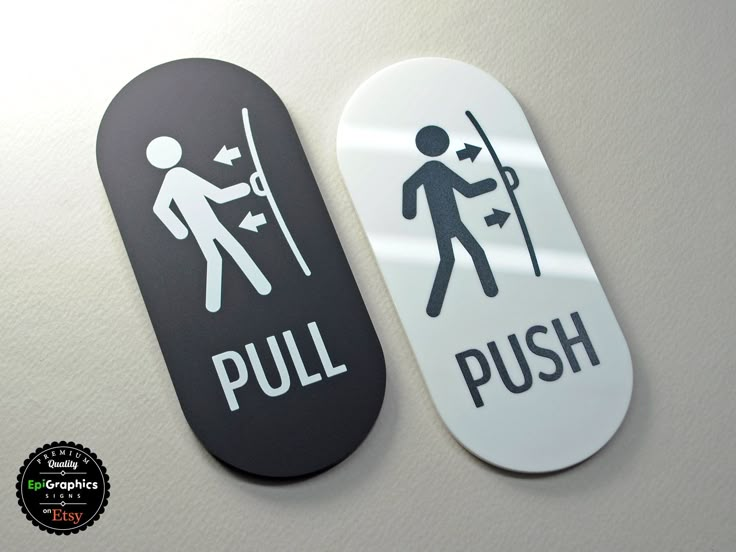
| Wayfinding Systems | Second surface, ADA compliance | Durable, vandal-resistant | 5-10mm |
| Art and Photography | Face-mount or second surface | Gallery presentation | 3-10mm |
| Product Stands | Formed shapes, printed surfaces | Integrated branding | 3-5mm |
Fabrication and Finishing Options
Edge Finishing: Laser cutting produces polished edges on cast acrylic; CNC routing requires flame or diamond polishing for clarity. Polished edges create gem-like appearance for awards and premium signage. Beveled or routed edges add design sophistication.
Forming and Shaping: Thermoforming creates dimensional letters, curved displays, and custom shapes after printing. Line bending produces clean angles for display fixtures. Cold bending possible with thin gauges for curved architectural features.
Mounting and Display: Standoffs create floating appearance for wall-mounted signage; clear adhesive bonding for layered effects; integrated hardware for suspension. Edge-lighting with LEDs transforms printed acrylic into luminous displays.
Protective Treatments: Hard coats improve scratch resistance for high-contact applications; anti-graffiti coatings enable easy cleaning; UV-absorbing backings protect inks from behind for extended outdoor durability.
Design Considerations for Acrylic
Color Depth and Luminosity: Second-surface printing on clear acrylic creates remarkable color depth as light penetrates the substrate, reflects from the ink layer, and returns through the acrylic. This "light pipe" effect makes colors appear to glow from within—impossible with surface-printed materials.
Transparency Utilization: Design for acrylic should leverage transparency rather than fighting it. Strategic clear areas, graduated fades to transparent, and selective white ink create sophisticated effects. Avoid designing as if printing on opaque substrates.
Scale and Viewing Distance: Acrylic's premium appearance suits close-viewing applications where detail appreciation justifies material investment. Large distant signage may not benefit sufficiently from acrylic's qualities to justify cost premium.
Lighting Integration: Acrylic transmits and diffuses light beautifully. Designing for edge-lighting, backlighting, or ambient light interaction multiplies acrylic's impact. Printed acrylic without lighting consideration wastes material potential.
Cost-Benefit Analysis
Acrylic UV printing costs 3-5x economy alternatives (foam board, corrugated plastic) but delivers value through:
- Durability: 10+ year lifespan vs. 1-3 years for economy materials
- Appearance maintenance: No fading, warping, or surface degradation
- Prestige perception: Communicates quality and permanence
- Versatility: Indoor/outdoor capability, cleanable surfaces
- Design flexibility: Transparency, depth, dimensional forming
For permanent installations, customer-facing environments, and brand-critical applications, acrylic's total cost of ownership frequently underforms economy alternatives while delivering superior brand impact.
Luna Graphics specializes in acrylic UV printing with comprehensive fabrication capabilities including cutting, polishing, forming, and installation. Our portfolio includes corporate headquarters signage, award programs, and architectural features for Kenya's leading organizations. Consult our acrylic specialists to explore how this premium material can elevate your visual communication.
Written by Ian Love
Marketing Director
Professional contributor at Luna Graphics specializing in printing and branding solutions.