
The Logo as Brand Anchor
Corporate logos represent the most concentrated expression of brand identity—visual symbols encoding organizational values, history, and positioning in immediately recognizable forms. How logos are rendered physically communicates brand quality as powerfully as the logo design itself. UV printing technology enables logo reproduction with precision, material quality, and dimensional effects that elevate brand presentation across physical environments.
This guide explores UV printed logo applications from dimensional reception signage to branded merchandise, examining techniques, material selections, and strategic deployment that maximize logo investment impact.
UV Logo Applications
Dimensional Lettering: Logos fabricated as three-dimensional letters or shapes, UV printed for color accuracy and durability, mounted with standoffs or direct installation. Acrylic, metal, and PVC foam substrates create depth and shadow enhancing visual impact.
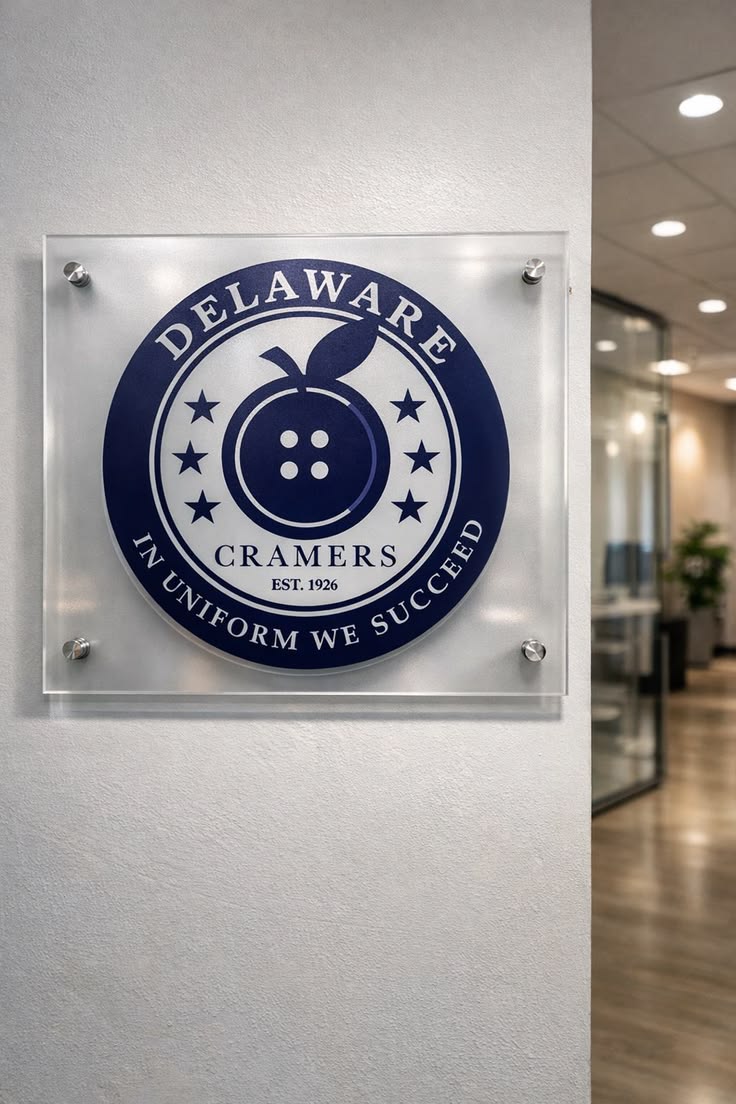
Reception and Lobby Signage: Primary logo presentation in visitor-facing areas. Scale, material quality, and illumination establish immediate brand impression. UV printing enables photographic complexity, gradient effects, and precise color matching impossible with cut materials alone.
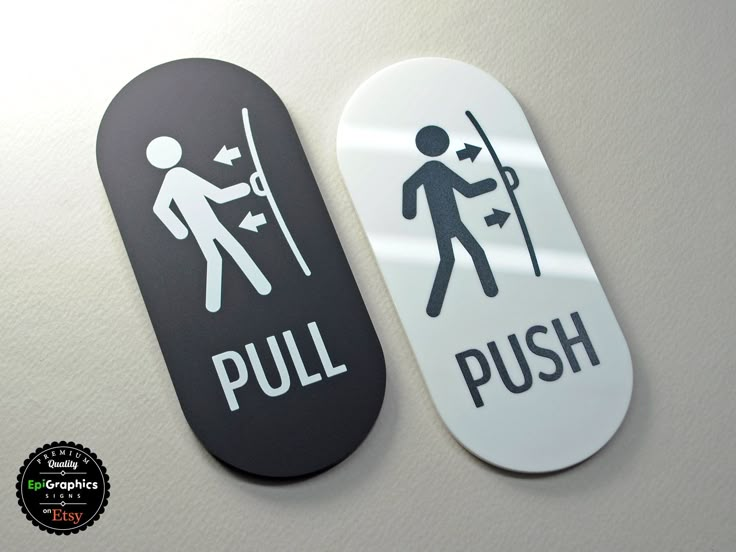
Wayfinding Integration: Logo incorporation into directional and identification signage maintaining brand presence throughout facilities. Consistent logo reproduction across diverse signage types reinforces identity.
Vehicle Graphics: Fleet branding with UV printed logos on automotive-grade materials. Durability and color retention maintain brand presentation through years of service.
Promotional Items: Logo reproduction on drinkware, tech accessories, and corporate gifts. UV printing's fine detail enables complex logo reproduction on small, curved surfaces.
Packaging: Direct logo printing on product packaging, boxes, and containers. Premium appearance supporting brand positioning in retail environments.
Material Selection by Logo Characteristics
| Logo Type | Recommended Materials | Effect | Best Applications |
|---|---|---|---|
| Simple/Geometric | Acrylic, metal, ACM | Clean, modern, precise | Corporate, tech, professional |
| Complex/Detailed | Acrylic with print, direct print | Photographic reproduction | Hospitality, retail, creative |
| Gradient/Colorful | UV printed acrylic, ACM | Color accuracy, vibrancy | Consumer brands, modern |
| Traditional/Established | Metal, wood, brushed finishes | Heritage, permanence | Financial, legal, institutional |
| Dynamic/Youthful | Clear acrylic, illuminated | Energy, innovation | Tech, entertainment, startup |
Techniques for Logo Enhancement
Layering and Dimension: Multiple substrate layers creating physical depth—background layer, logo layer, accent layer. UV printing on each layer enables complex, dimensional logos without expensive fabrication.
Illumination Integration: Edge-lighting, backlighting, or face-illumination transforming logos into luminous beacons. UV printing on translucent materials diffuses light evenly; second-surface printing protects graphics from heat and handling.
Texture and Finish: Selective varnish creating gloss logos on matte backgrounds or vice versa. Metallic UV inks simulating gold, silver, or bronze without metal fabrication costs. Tactile effects adding dimensional interest.
Combination Fabrication: UV printed elements combined with cut metal, acrylic, or wood. Printed backgrounds with dimensional cut letters; or printed letters on dimensional substrates. Hybrid approaches leveraging strengths of each method.
Color Accuracy and Brand Standards
Pantone Matching: Corporate brand colors specified as Pantone standards; UV printing achieves close matches through color profiling and ink formulation. Critical brand colors should be proofed and approved before production.
Substrate Color Impact: White substrates provide truest color reproduction; colored or transparent substrates require white ink underlay affecting final appearance. Color proofing on actual production materials essential.
Metallic and Special Colors: Metallic Pantones approximated through UV metallic inks or foil integration. DayGlo and neon colors may exceed UV ink gamut; design adaptation or alternative methods required.
Consistency Across Materials: Logos reproduced on diverse substrates (acrylic, metal, paper, fabric) should maintain visual consistency. UV printing's color management supports this consistency better than multiple traditional methods.
Scale and Viewing Considerations
Reception Scale: Primary logos sized for reception visibility—typically 0.5-2 meters depending on space and viewing distance. UV printing accommodates large formats without resolution loss.
Detail Threshold: Very fine logo details may require minimum sizes for legibility. UV printing's resolution enables fine detail but design should consider viewing distance; what prints clearly may not read clearly from across lobby.
Environmental Context: Logo colors should contrast with wall colors; lighting conditions affect appearance. UV printing's gloss and finish options can optimize visibility in specific environments.
Durability and Longevity
UV printed logos maintain appearance for years with minimal maintenance:
- Color retention: 5-10 years without significant fading for indoor applications
- Physical durability: Scratch-resistant surfaces withstand cleaning and incidental contact
- Adhesion: Permanent bonding prevents peeling or delamination
- Cleanability: Non-porous surfaces allow cleaning without damage
For permanent installations, UV printing's longevity justifies investment over methods requiring periodic replacement or refreshing.
Implementation Strategy
Logo Audit: Inventory existing logo applications identifying inconsistencies, deterioration, or outdated formats. Prioritize high-visibility locations for update.
Standards Documentation: Create specifications for logo reproduction including materials, colors, finishes, and minimum sizes. Ensure consistent implementation across locations and vendors.
Phased Rollout: Update highest-impact locations first—reception areas, building exteriors, key facilities. UV printing supports phased investment spreading costs over budget periods.
Vendor Consolidation: Single-source UV printing ensures consistency across all logo applications. Reduces variation risk from multiple suppliers with different capabilities.
Luna Graphics provides specialized logo reproduction services with color management expertise ensuring brand standard compliance. Our capabilities span dimensional lettering, architectural signage, and merchandise applications. For logo-focused projects, we offer design consultation on optimization for specific materials and scales, ensuring your brand mark achieves maximum impact across all physical applications.
Written by Ian Love
Marketing Director
Professional contributor at Luna Graphics specializing in printing and branding solutions.