Acrylic in Contemporary Event Design
Acrylic has emerged as signature material of modern event design—its clarity, versatility, and capacity for sophisticated effects aligning with contemporary aesthetic preferences for minimalism, transparency, and refined materiality. UV printing technology unlocks acrylic's potential, enabling precise graphic application with effects impossible through other decoration methods. For modern events seeking distinctive visual language, UV printed acrylic offers unmatched capabilities.
This guide explores acrylic sign applications, contemporary design approaches, and technical execution for events ranging from corporate functions to social celebrations in Kenya's evolving event market.
Contemporary Acrylic Applications
Clear Minimalism: Unadorned clear acrylic with subtle printed elements—floating text, delicate lines, ghosted imagery. Negative space as design element; material itself becomes message.
Frosted Elegance: White ink creating frosted, etched appearance on clear or colored acrylic. Diffused light transmission; privacy with luminosity. Sophisticated alternative to solid materials.
Layered Dimension: Multiple acrylic sheets of varying transparency creating depth and parallax. Dimensional signage without bulk; visual interest through layering.
Color Blocking: Opaque colored acrylic with contrasting printed elements. Bold, graphic statements; contemporary art influence.
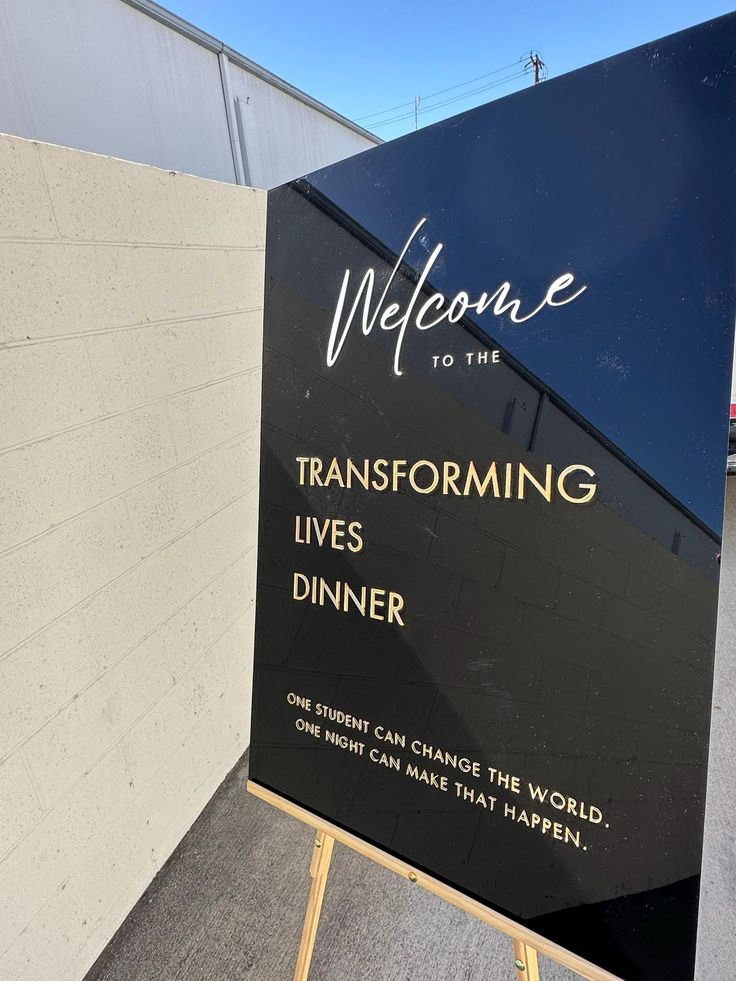
Mirror and Metallic: Mirrored acrylic with printed overlays creating reflective, luminous effects. Glamour and sophistication; light interaction dynamic.
Illuminated Integration: Edge-lit or backlit acrylic signs transforming with lighting. Day-to-night variation; technology integration.
Design Principles for Modern Aesthetics
| Principle | Application | Acrylic Advantage | Execution |
|---|---|---|---|
| Minimalism | Essential elements only | Transparency reduces visual weight | Generous negative space |
| Typography focus | Letterform as image | Precision printing fine details | Large scale, bold faces |
| Material honesty | Celebrating acrylic properties | Clarity, gloss, depth | Second-surface printing |
| Geometric precision | Clean lines, shapes | CNC cutting accuracy | Geometric sans-serifs |
| Layering/depth | Dimensional composition | Transparent layering | Multiple sheet construction |
| Light interaction | Changing appearance | Transmission, reflection | Lighting design coordination |
Technical Execution
Thickness Selection: 3-5mm for elegant, lightweight pieces; 10-20mm for substantial presence and edge visibility; variable thicknesses for dimensional effects.
Printing Surface: Second-surface (reverse) printing protects graphics and creates depth; first-surface for maximum color saturation or tactile effects.
Edge Treatment: Polished edges essential for premium appearance—flame polishing for clarity, diamond polishing for ultimate refinement. Edge color (clear, frosted, or tinted) affects overall perception.
Hardware Integration: Standoffs creating floating appearance; integrated stands for table pieces; suspension systems for hanging elements. Hardware finish (chrome, brass, matte black) coordinated with design.
Event-Specific Applications
Corporate Events: Clean, branded environments communicating efficiency and innovation. Acrylic wayfinding, registration desks, and presentation supports maintaining sophistication without ostentation.
Modern Weddings: Minimalist welcome signs, table numbers, and place cards. Transparent elements integrating with floral and lighting design rather than competing.
Product Launches: Sleek display elements supporting technology or luxury products. Acrylic's contemporary associations reinforcing product positioning.
Art and Fashion Events: Gallery-like presentation; acrylic's art world associations appropriate for cultural events. Museum-quality presentation standards.
Awards and Galas: Elegant recognition pieces; layered acrylic awards; sophisticated wayfinding. Premium material supporting formal occasions.
Integration with Event Elements
Lighting Design: Acrylic's interaction with light—transmission, reflection, refraction—requires coordination with event lighting. Uplighting, gobos, and ambient light all affect acrylic appearance.
Floral and Organic Elements: Transparent acrylic allows floral visibility; frosted acrylic diffuses light through arrangements; clear elements create contrast with organic forms.
Furniture and Architecture: Acrylic signage should coordinate with event furniture—modern acrylic pieces complement contemporary furniture; may contrast with traditional elements.
Technology: Clean acrylic surrounds for screens and interactive elements; QR codes and digital integration without visual clutter.
Sustainability and Practicality
Durability: Acrylic UV prints survive event handling and storage for reuse. Investment in quality pieces amortized over multiple events.
Weight: Heavier than foam or board alternatives; shipping and handling considerations. Weight also conveys substance and quality.
Care: Susceptible to scratching; careful handling and cleaning required. Protective cases for transport and storage.
End of Life: Acrylic recyclable through specialized streams; durability extends useful life reducing replacement frequency.
Cost Positioning
UV printed acrylic commands premium pricing:
- Simple signs (A4-A3): KES 3,000-8,000
- Medium pieces (A2-A1): KES 8,000-20,000
- Large statement pieces: KES 20,000-60,000+
- Complex layered constructions: KES 30,000-100,000+
Positioned as premium option; value justified by appearance, durability, and reusability.
Luna Graphics' contemporary event division specializes in acrylic signage for modern aesthetics. Our capabilities include precision cutting, edge polishing, and complex assembly producing gallery-quality event elements. For events where contemporary sophistication is paramount, we deliver acrylic pieces becoming defining visual elements.
Written by Ian Love
Marketing Director
Professional contributor at Luna Graphics specializing in printing and branding solutions.