
Flexible Substrate Categories
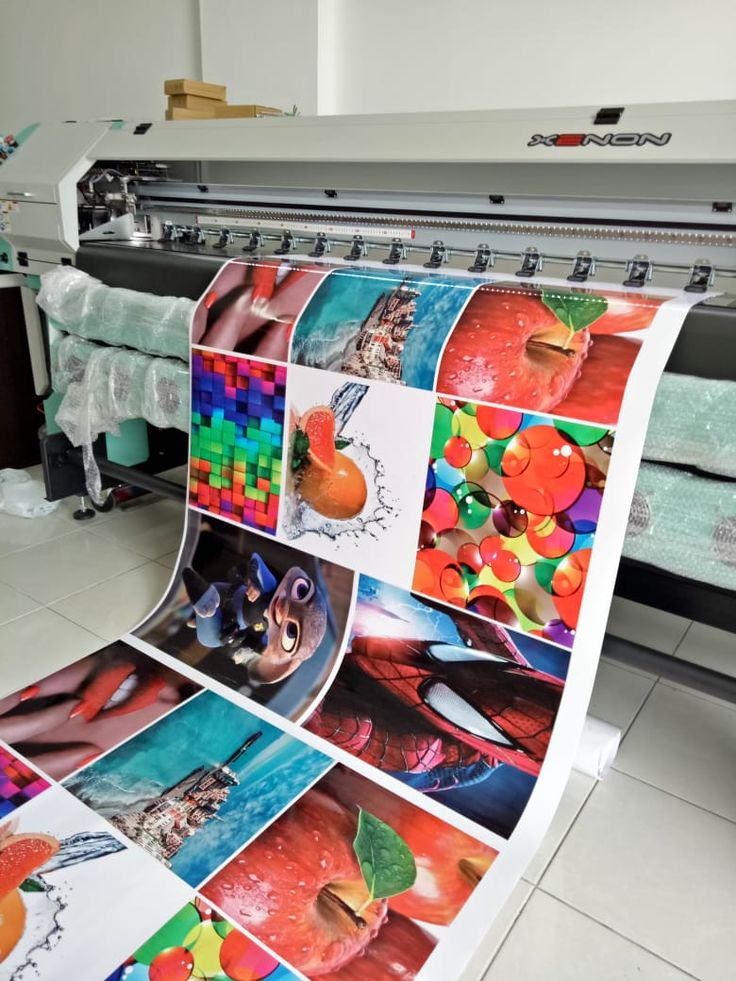
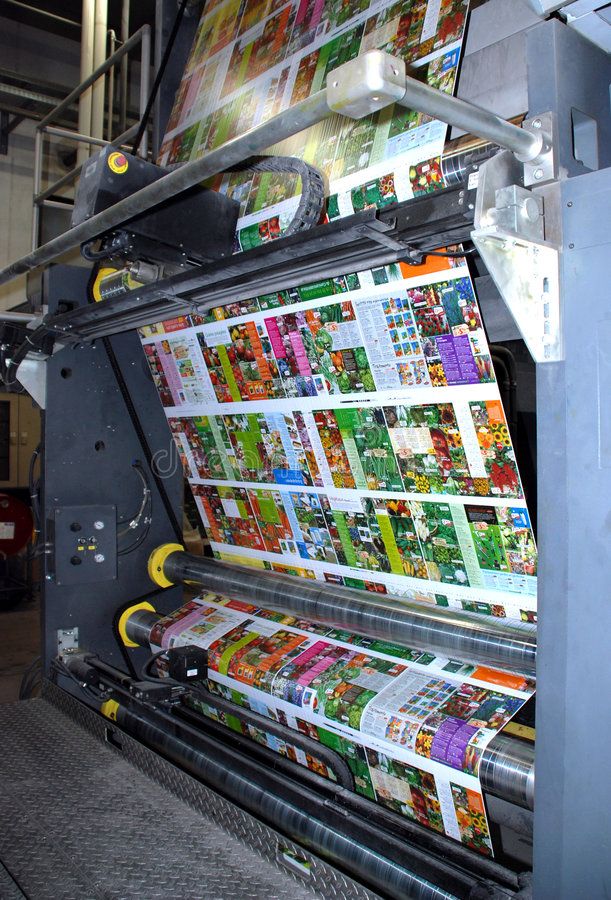
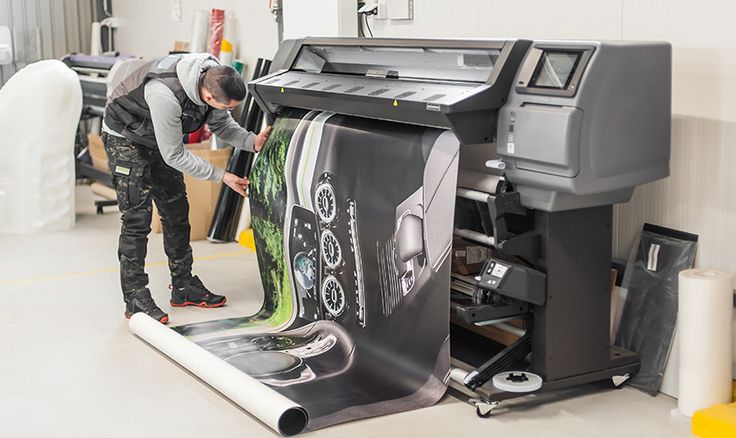
Flexible materials dominate large format printing, offering versatility, transportability, and installation ease. These substrates roll for storage and shipping, feed through roll-fed printers, and accommodate various finishing methods including hemming, grommeting, and sewing.
Polyvinyl chloride (PVC) vinyl formulations represent the most common flexible substrate. Frontlit vinyl, coated for ink reception and durability, serves general banner and signage applications. Weights range from 300gsm lightweight economy grades to 600gsm heavy-duty premium options. Backlit vinyl features translucent construction enabling illumination from behind, essential for lightbox and nighttime visibility applications. Blockout vinyl incorporates opaque layers preventing show-through in double-sided displays.
Mesh vinyl provides wind permeability critical for large outdoor installations. Perforated construction (typically 70/30 or 60/40 solid/open ratio) reduces wind loading while maintaining acceptable print surface. Applications include building wraps, fence banners, and large format displays in exposed locations. Image quality suffers slightly compared to solid vinyl due to surface discontinuity.
Textile substrates offer aesthetic and acoustic advantages. Polyester display fabrics accept dye-sublimation printing producing vibrant, permanent color. Applications include exhibition graphics, theatrical backdrops, and elegant retail displays. Fabric's light weight enables large suspended installations impossible with vinyl, while packability reduces shipping costs.
Rigid Substrate Options
Rigid materials provide dimensional stability and premium presentation for interior applications and permanent signage. These substrates require flatbed or hybrid printers, or mounting of flexible prints onto rigid supports.
Expanded PVC foam board (Forex, Sintra, Celtec) offers lightweight rigidity at economical cost. Thicknesses from 2mm to 10mm suit various applications—2-3mm for temporary displays, 5mm for permanent interior signage, 10mm for structural elements. Cellular construction provides screw and staple retention for mounting. Direct UV printing creates durable, scratch-resistant graphics.
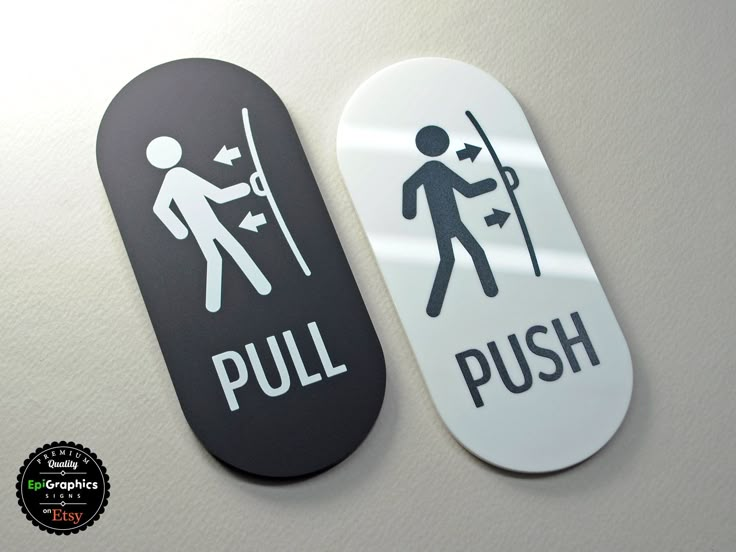
Acrylic (polymethyl methacrylate) provides glass-like clarity and premium aesthetics. Cast acrylic offers superior optical quality and chemical resistance versus extruded alternatives. Applications include corporate signage, point-of-purchase displays, and architectural elements. Direct printing or face-mounted flexible graphics achieve distinct visual effects.
Aluminum composite panels (ACP, Dibond, Alucobond) sandwich polyethylene core between aluminum skins. This construction provides rigidity, weather resistance, and flatness exceeding solid aluminum at reduced weight. Exterior signage, building identification, and long-term directional systems utilize ACP. Direct UV printing or vinyl graphic application both perform well.
Corrugated plastic (Correx, Coroplast, Twin-wall) offers economy for short-term outdoor applications. Fluted construction provides some rigidity at very low cost and weight. Political campaign signs, real estate signage, and temporary directional systems commonly utilize corrugated plastic. Limited durability restricts applications to 6-12 month exposure maximum.
Specialty and Functional Materials
Backlit films optimize illuminated displays. Diffusion properties spread light evenly across graphic surfaces without hot spots. Polyester or polycarbonate bases provide dimensional stability. Applications include airport lightboxes, retail illuminated displays, and transit shelter advertising.
Window perf (perforated window film) maintains interior visibility while presenting exterior graphics. Perforation patterns (typically 50/50 or 60/40) balance image visibility with see-through capability. UV-resistant formulations prevent fading on sun-exposed glass. Vehicle rear windows and retail storefronts represent primary applications.
Floor graphic materials combine printability with slip resistance. Specialized vinyl formulations with textured, certified-slip-resistant surfaces accept printing and overlamination. Removable adhesives permit temporary applications without substrate damage. Wayfinding, promotional messaging, and safety markings utilize floor graphics.
Magnetic receptive materials enable changeable graphics on ferrous surfaces. Steel-receptive vinyl overlays printed graphics, attaching to magnetic base layers mounted on walls or vehicles. Retail promotional systems and vehicle signage requiring frequent updates benefit from magnetic systems.
Material Selection Criteria
Environmental exposure dictates substrate durability requirements. Outdoor applications demand UV stability, moisture resistance, and temperature tolerance. Indoor materials prioritize surface quality and handling characteristics over weather resistance. Misapplication causes premature failure regardless of print quality.
Surface preparation requirements vary by substrate. Smooth, non-porous surfaces (acrylic, ACP) accept direct printing or adhesive graphics readily. Textured surfaces (concrete, brick) require specialized adhesives or mounting systems. Flexible materials conform to curved surfaces; rigid materials require fabrication or heat forming for dimensional applications.
Viewing distance and resolution requirements influence material selection. Close-viewing graphics (point-of-sale, trade show displays) benefit from fine surface textures and high-resolution printing capabilities. Distant viewing (billboards, building wraps) permits coarser materials and lower resolution without perceptible quality loss.
Sustainability Considerations
Recyclable and recycled content materials address environmental concerns. Polypropylene alternatives to PVC offer recycling compatibility and reduced chlorine content. Recycled polyester fabrics utilize post-consumer plastic bottles. These options may carry cost premiums but support corporate sustainability objectives.
Biodegradable substrates serve short-term applications with reduced environmental impact. Paper-based boards, cotton canvas, and bio-plastics decompose under appropriate conditions. Limited durability restricts these materials to indoor, temporary applications.
Latex and UV printing technologies reduce environmental impact compared to solvent systems. Water-based latex inks eliminate volatile organic compound emissions. UV-curable systems minimize waste through instant curing. These technologies enable production in mixed-use facilities without extensive ventilation.
Cost Structure Analysis
Material costs range dramatically by type and quality tier. Economy banner vinyl costs KES 400-600 per square meter; premium cast vinyl with overlaminate reaches KES 1,500-2,500. Rigid substrates show similar variation—corrugated plastic at KES 300-500/sqm versus acrylic at KES 2,000-4,000/sqm.
Total cost of ownership includes durability and replacement frequency. Premium materials with extended lifespans often prove more economical than budget options requiring frequent replacement. Calculate per-month cost over expected lifespan rather than initial invoice amount.
Luna Graphics maintains comprehensive material inventory spanning all discussed categories. Our technical consultants match substrate specifications to application requirements, environmental conditions, and budget parameters. Material samples and printed proofs enable informed selection before production commitment. Contact our team to explore material options for your specific project.
Written by Ian Love
Marketing Director
Professional contributor at Luna Graphics specializing in printing and branding solutions.