Duration Definitions and Use Cases
Temporary event signage serves durations from single-day events to 12-month installations. These graphics prioritize: rapid installation and removal; minimal surface impact; cost efficiency for short use; and flexibility for design changes. Applications include conferences, festivals, pop-up retail, and construction site hoardings.
Permanent event signage serves multi-year installations in dedicated venues: stadiums, arenas, theaters, and exhibition centers. These prioritize: maximum durability; integration with architecture; regulatory compliance; and long-term brand consistency.
Semi-permanent installations (1-3 years) occupy middle ground—seasonal sports venues, annual festival sites, and rotating exhibition spaces.
Temporary Signage Solutions
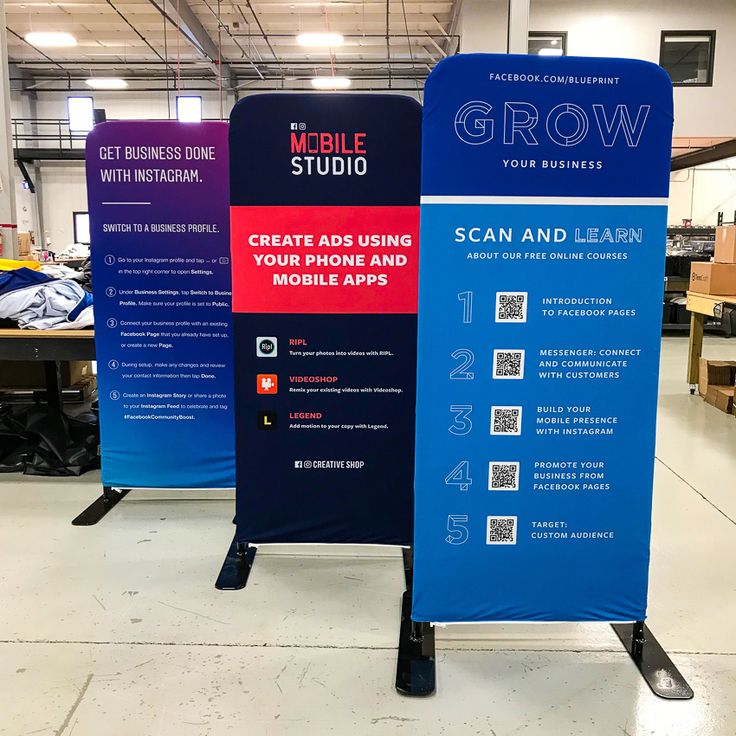
Materials: vinyl banners with grommets; corrugated plastic (Correx) for economy; foam board for indoor rigid signs; and fabric graphics for premium appearance.
Installation methods: cable ties and bungee cords for rapid attachment; adhesive tapes for smooth surfaces; and sandbags or water weights for freestanding elements.
Advantages: low cost; rapid deployment; minimal site impact; and design flexibility.
Limitations: reduced durability; weather vulnerability; and less refined appearance.
Permanent Signage Solutions
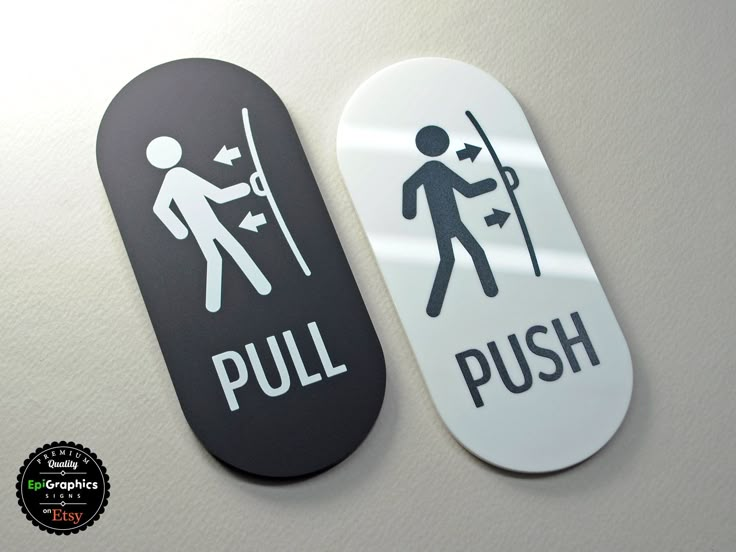
Materials: aluminum composite panels (ACP); acrylic or polycarbonate; routed or cast metal letters; and LED illuminated elements.
Installation: mechanical fastening (screws, anchors); structural adhesives; and integrated electrical for illumination.
Advantages: weather resistance; architectural integration; regulatory compliance; and professional appearance.
Limitations: higher initial cost; installation complexity; and design change difficulty.
Decision Framework
Select temporary when: event duration under 12 months; site is leased or temporary; design changes expected; or budget constraints prioritize low initial cost.
Select permanent when: venue is owned or long-term leased; signage serves recurring events; durability justifies investment; or architectural integration required.
Hybrid approaches utilize permanent hardware (frames, structures) with changeable graphic inserts—combining durability with flexibility.
Cost Comparison
Temporary: KES 500-2,000 per square meter for materials; minimal installation cost; and disposal/replacement every 1-12 months.
Permanent: KES 3,000-10,000 per square meter installed; professional installation required; and 5-10 year lifespan.
Break-even analysis—temporary becomes more expensive than permanent after 3-5 replacement cycles for equivalent coverage.
Luna Graphics provides both temporary and permanent event signage: rapid deployment teams for temporary needs; and engineered permanent installations. Contact our event specialists for duration-appropriate recommendations.
Written by Ian Love
Marketing Director
Professional contributor at Luna Graphics specializing in printing and branding solutions.