
Apparel Decoration Technologies for Corporate Identity
Corporate apparel serves as walking brand ambassadors, transforming employees into visible representatives of organizational identity. The decoration method selected for uniforms, promotional wear, and corporate gifts significantly impacts appearance quality, longevity, and wearer satisfaction. Sublimation printing and screen printing represent the two dominant technologies for Kenyan corporate apparel, each offering distinct advantages for specific applications.
The fundamental difference between these methods lies in their interaction with fabric. Sublimation printing utilizes heat-activated dyes that transform from solid to gas and bond molecularly with polyester fibers, becoming permanent components of the fabric itself. Screen printing deposits pigment inks on fabric surfaces, creating a distinct layer that sits atop the material. These mechanical differences determine appropriate applications, durability characteristics, and design possibilities.
The Science and Art of Dye Sublimation
Sublimation printing operates on fascinating physical chemistry principles that produce results impossible through other methods. Specialized sublimation inks contain solid dye particles suspended in liquid carriers. When heated to approximately 200°C under pressure, these dyes sublimate—transform directly from solid to gas without liquid phase—and penetrate polyester fiber surfaces.
Upon cooling, the gaseous dyes solidify within the polyester molecular structure, creating permanent chemical bonds. The dyed fibers retain their original texture and breathability, as the dye occupies molecular spaces rather than coating surfaces. This integration produces graphics that stretch, fold, and wear without cracking, peeling, or fading, as the decoration literally becomes part of the fabric.
The color gamut achievable through sublimation exceeds conventional printing methods, producing exceptionally vibrant hues and smooth gradients. Because the dyes are transparent and integrate with fabric rather than covering it, the underlying white polyester contributes to color brightness. This characteristic enables photorealistic imagery, complex patterns, and unlimited color designs without cost penalties for color complexity.
However, sublimation's chemical requirements limit substrate compatibility to polyester or polymer-coated materials. Natural fibers including cotton, wool, and silk lack the molecular structure necessary for dye bonding. Blended fabrics containing minimum 65% polyester can accept sublimation, though results vary based on blend ratios and fabric construction.
Screen Printing: The Durable Surface Solution
Screen printing maintains dominance in apparel decoration through versatility across fabric types and exceptional durability for appropriate applications. The process forces pigmented inks through fine mesh screens onto fabric surfaces, depositing controlled ink layers that cure through heat or chemical processes.
Plastisol inks—PVC-based formulations—constitute the standard for textile screen printing, offering opacity, vibrancy, and wash durability. These inks sit on fabric surfaces, creating a distinct tactile layer that withstands repeated washing and wearing when properly cured. The opacity enables printing on dark-colored garments—essential for corporate workwear often specified in dark colors for practical reasons.
Water-based and discharge inks offer softer alternatives that penetrate cotton fibers rather than sitting atop them. These formulations produce vintage-style prints with minimal hand (tactile presence), though they require specific fabric types and cure conditions. Discharge inks actually remove existing dye from dark garments before depositing pigment, enabling soft prints on dark cotton without heavy ink deposits.
Specialty screen printing inks expand creative possibilities. Metallic finishes, glow-in-the-dark formulations, reflective materials, and textured puff inks create distinctive effects for premium corporate apparel or special event merchandise. These options provide differentiation impossible through sublimation's dye-based system.
Comprehensive Comparison for Corporate Applications
| Characteristic | Sublimation Printing | Screen Printing |
|---|---|---|
| Fabric Compatibility | 100% polyester or polymer-coated | All fabric types including cotton, blends, polyester |
| Color Vibrancy | Exceptional; photorealistic quality | Excellent; opaque on darks |
| Color Complexity | Unlimited colors at no additional cost | Each color requires separate screen |
| Design Detail | Fine detail and gradients | Bold graphics; fine detail challenging |
| Durability | Permanent; will not crack, peel, or fade | Excellent; may crack if overcured or undercured |
| Hand/Feel | No tactile presence; fabric unchanged | Distinct ink layer; varies by ink type |
| Breathability | Unaffected; dye penetrates fibers | May reduce breathability in large solid areas |
| Setup Costs | Minimal; digital file preparation | KES 2,000-5,000 per color for screens |
| Small Order Economics | Highly economical; no setup | Expensive for small quantities |
| Large Order Economics | Moderate; consistent per-unit cost | Very economical at scale |
| Minimum Order | Single piece viable | Typically 20-50 pieces for efficiency |
Strategic Applications: When to Choose Each Method
Sublimation printing excels for corporate applications requiring all-over printing, photorealistic imagery, or maximum comfort. Sports team uniforms, cycling jerseys, and athletic wear benefit from sublimation's breathability and unlimited color capabilities. Corporate gifts including branded mouse pads, mugs, and phone cases (through polymer coatings) utilize sublimation for full-color imagery. Fashion-forward corporate apparel with all-over patterns or gradient designs demands sublimation's capabilities.
However, sublimation's polyester requirement limits applications where natural fiber comfort is preferred. Many corporate environments specify cotton or cotton-blend polo shirts for employee comfort in Nairobi's climate. Sublimation cannot decorate these garments, making screen printing essential for such requirements.
Screen printing dominates workwear, uniforms, and promotional apparel where fabric versatility, dark garment decoration, and cost efficiency at scale matter. Construction company uniforms, hospitality staff apparel, and political campaign t-shirts overwhelmingly utilize screen printing for practical and economic reasons. The method's ability to print on any fabric type provides procurement flexibility unavailable through sublimation.
Hybrid approaches combine both technologies for complex projects. Sublimation-printed panels might be sewn into screen-printed base garments, or different decoration methods applied to various components of uniform systems. These combinations maximize each technology's strengths while accommodating diverse requirements.
Durability and Care Considerations
Sublimation-printed apparel offers exceptional wash durability because the decoration is integral to fabric structure. Garments withstand industrial laundering, bleach exposure, and high-temperature washing without degradation. This durability suits healthcare, hospitality, and industrial applications requiring rigorous hygiene protocols.
Screen-printed durability depends on ink type, cure quality, and garment care. Properly cured plastisol prints withstand 50+ wash cycles without significant degradation. However, aggressive washing—high temperatures, harsh detergents, bleach—accelerates wear. Inside-out washing and line drying extend screen-printed garment life significantly.
Both methods require quality garment construction for overall longevity. Decoration durability cannot compensate for poor fabric quality or construction. Invest in quality base garments from reputable suppliers to ensure decorated apparel represents your brand appropriately throughout its service life.
Cost Structures and Kenyan Market Pricing
Sublimation pricing reflects consumable costs (inks, transfer paper) and equipment investment, with minimal setup requirements. Typical pricing ranges from KES 800-1,500 per garment depending on size, complexity, and order volume. Small orders (1-20 pieces) prove economically viable, while large orders don't achieve dramatic per-unit reductions since each piece requires individual pressing time.
Screen printing costs include setup (screen preparation at KES 2,000-5,000 per color), ink, labor, and garment costs. Single-color designs on small orders might cost KES 1,000-1,500 per piece, while multi-color large orders (100+ pieces) can achieve KES 400-800 per piece. The setup cost distribution makes screen printing uneconomical for very small orders but increasingly advantageous as quantities grow.
Design complexity significantly impacts screen printing costs—each additional color requires additional screens and production steps. Sublimation incurs no color complexity penalties, making it cost-effective for photorealistic or multi-color designs regardless of order size.
Quality Assurance and Vendor Selection
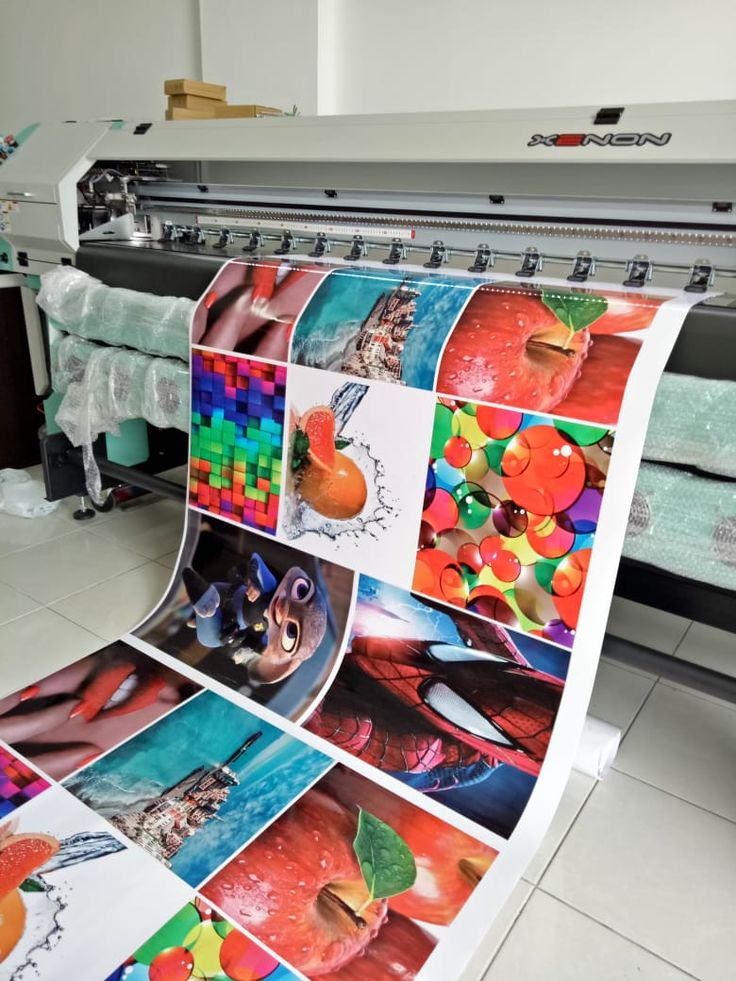
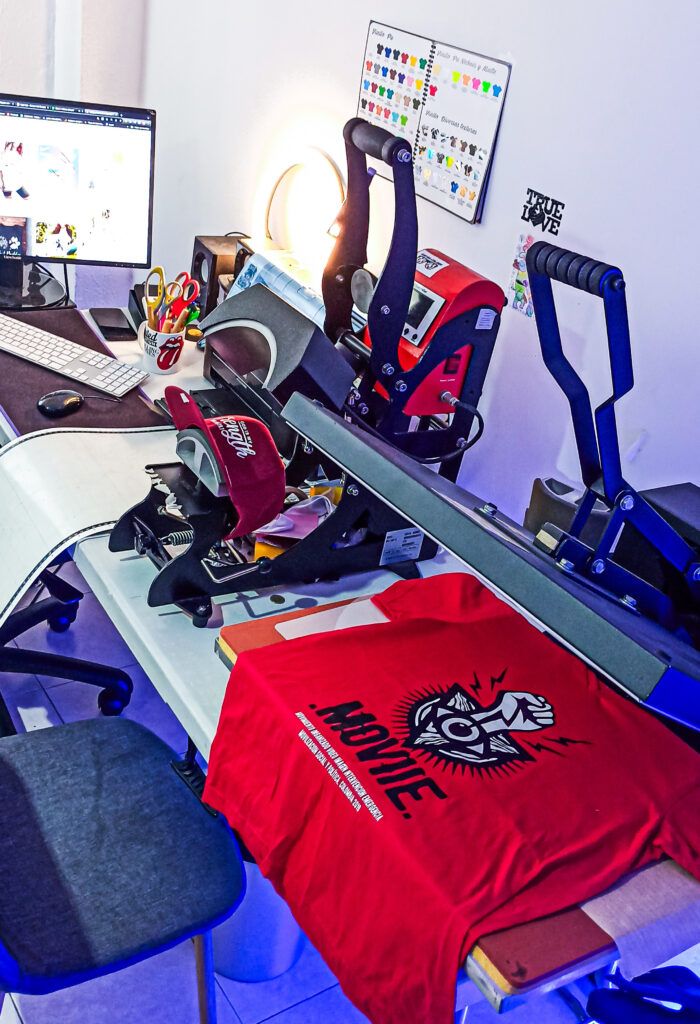
Evaluating apparel decoration providers requires examining equipment capabilities, color management, and quality control processes. Sublimation operations should utilize wide-format printers with dedicated sublimation inks and industrial heat presses with precise temperature and pressure control. Screen printing facilities need automatic or manual presses with consistent squeegee pressure and flash cure units for multi-color work.
Color matching capabilities ensure corporate identity consistency. Sublimation's dye-based system produces slightly different color spaces than Pantone specifications—physical proofing remains essential for critical color matching. Screen printing can mix custom ink colors to precise Pantone specifications, though batch variations require monitoring.
Sample production and wash testing verify durability claims before committing to large orders. Reputable providers offer sample garments subjected to multiple wash cycles to demonstrate decoration longevity. Luna Graphics provides comprehensive sample services and wash testing documentation for corporate apparel clients.
Contact Luna Graphics for consultation on your corporate apparel decoration requirements. Our dual-capability facility offers objective recommendations based on your specific needs—fabric preferences, design complexity, order volumes, and durability requirements. We provide sample comparisons showing both methods applied to your actual artwork, enabling informed decision-making for your corporate clothing investments.
Written by Ian Love
Marketing Director
Professional contributor at Luna Graphics specializing in printing and branding solutions.