The Startup Branding Imperative
Kenyan startups operate in competitive, resource-constrained environments where effective branding accelerates traction, investor interest, and market differentiation. However, early-stage companies face unique challenges: limited budgets requiring strategic prioritization; rapid pivots necessitating brand flexibility; small teams lacking specialized expertise; and pressure to appear established despite newcomer status. Systematic branding approaches address these constraints while building scalable foundations.
Effective startup branding balances immediate credibility needs (appearing professional to customers, investors, and partners) with long-term scalability (avoiding expensive rebranding at growth stages). The goal is minimum viable brand—sufficient to launch and learn, with architecture supporting evolution.
Essential Identity Elements
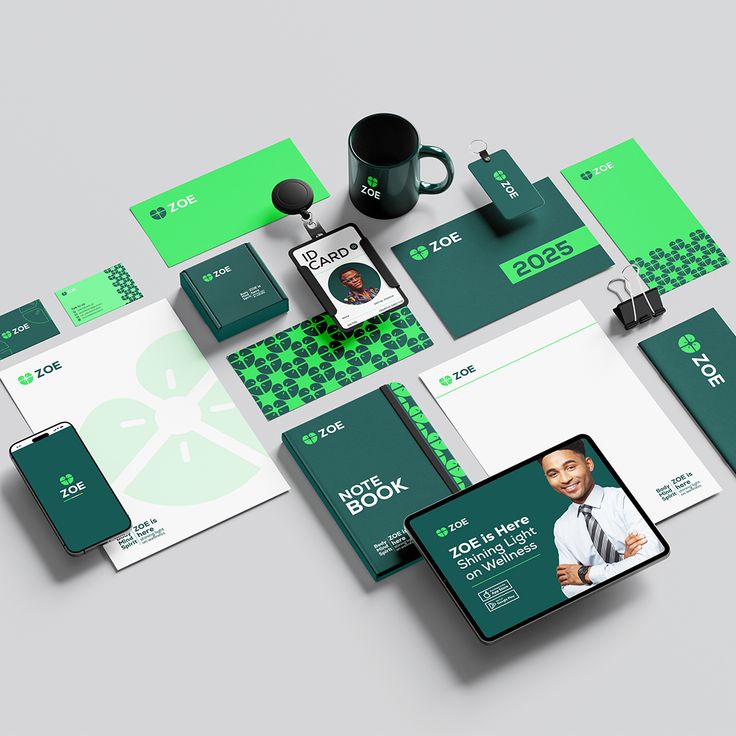
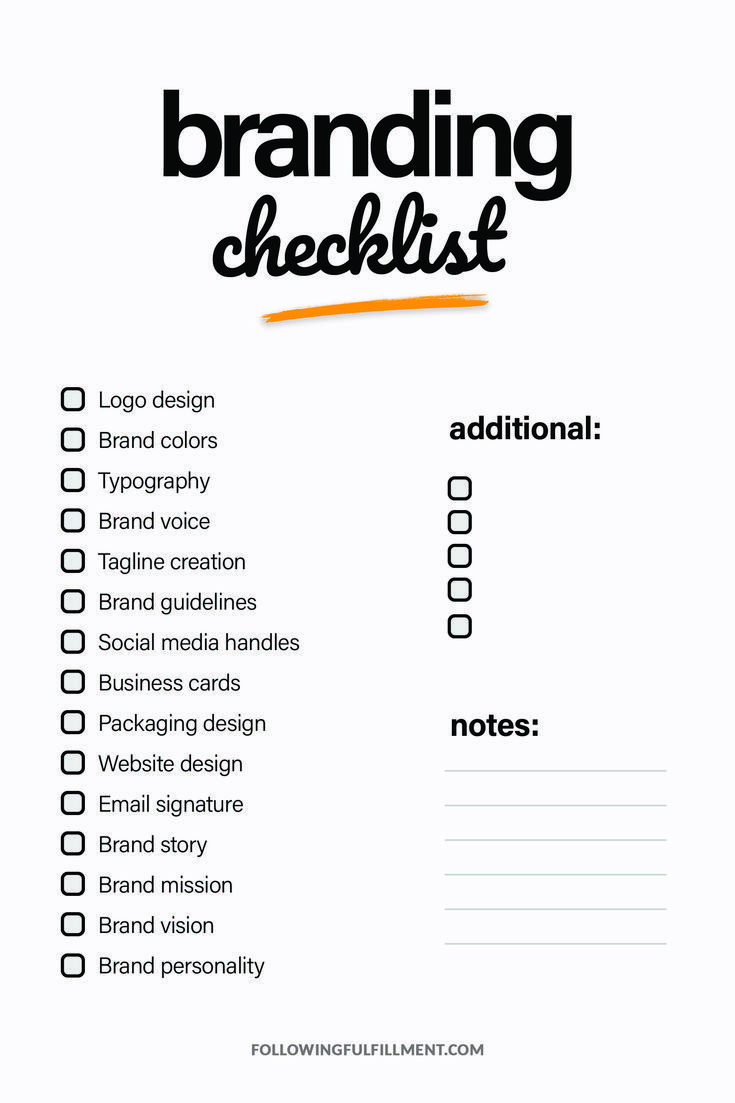
Startup brand foundations require: name and domain (memorable, pronounceable, available across .co.ke, .com, social handles); logo system (primary mark, responsive variations, icon for app/favicon, monochrome versions); color palette (primary brand color, secondary accents, functional colors for UI); typography (headline and body fonts, web font licenses); and basic messaging (tagline, value proposition, boilerplate description).
These elements need not be expensive—many successful Kenyan startups launch with simple wordmarks, single-color palettes, and system fonts. Complexity can evolve with revenue; initial investment focuses on distinctiveness and consistency rather than elaborate production.
| Brand Element | Startup Priority | Budget Approach | DIY vs. Professional | Growth Consideration |
|---|---|---|---|---|
| Name & Domain | Critical (pre-launch) | Domain registration fees | Founder-led with legal check | Trademark early |
| Logo Design | High priority | KES 15,000-50,000 | Professional (template risks) | Vector files essential |
| Color System | High priority | Free (Coolors, Adobe) | DIY with guidelines | Accessibility compliance |
| Typography | Medium priority | Free fonts acceptable | DIY with licensing check | Scalable font families |
| Website | Critical (digital presence) | KES 10,000-100,000 | Template + customization | CMS scalability |
| Business Cards | High priority | KES 3,000-10,000 | Professional print | Quality signals credibility |
| Email Signature | Medium priority | Free | DIY template | Brand consistency |
| Social Media Kit | High priority | KES 5,000-20,000 | Template adaptation | Platform optimization |
| Pitch Deck | Critical (fundraising) | Template + design | Professional polish | Investor expectations |
| Basic Stationery | Low priority initially | Digital-first approach | DIY as needed | Formalization at scale |
Legal Protection and Intellectual Property
Early brand protection prevents costly disputes: trademark registration with KIPI (Kenya Industrial Property Institute) for name and logo; domain registration across relevant TLDs; social media handle securing; and basic copyright documentation for original creative work. While full international trademark portfolios are premature, Kenyan registration establishes priority and deters local competitors.
Name clearance searches—KIPI database, web search, social media, industry directories—prevent infringement issues. Descriptive names (e.g., "Nairobi Delivery App") are difficult to protect; distinctive coined names (e.g., "Lori Systems") offer stronger protection but require marketing investment.
Budget Prioritization and Phasing
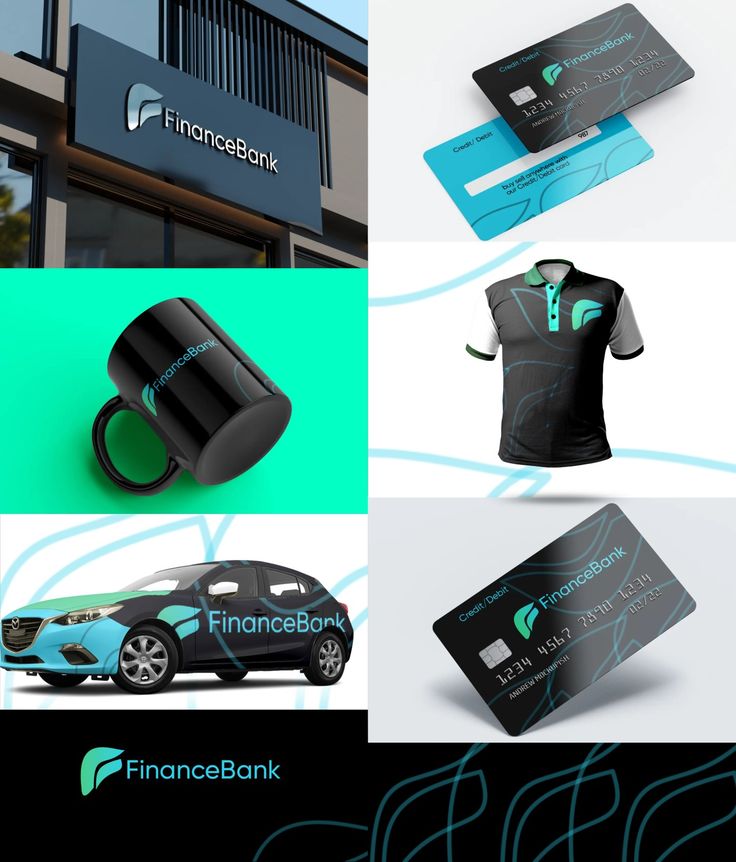
Startup branding budgets require ruthless prioritization: Phase 1 (Pre-launch/MVP): name, domain, basic logo, simple website, business cards—KES 50,000-150,000 total; Phase 2 (Product-Market Fit): refined identity, pitch deck, marketing materials, packaging—KES 100,000-300,000; Phase 3 (Growth/Scaling): comprehensive guidelines, environmental branding, vehicle wraps, uniform programs—KES 300,000+.
DIY approaches work for Phase 1 using Canva, Figma, or similar tools, but professional design investment accelerates credibility for B2B startups or premium consumer brands. Equity-for-design arrangements with agencies or design students reduce cash outlay.
Scalable Brand Architecture
Startup brands must accommodate growth without complete overhaul: modular logo systems (standalone mark + wordmark, usable separately as space constraints change); responsive web design (mobile-first, tablet, desktop); and messaging frameworks (core value proposition stable, tactical messaging adaptable).
Brand architecture planning—product line naming conventions, sub-brand relationships, endorsement strategies—prevents fragmentation as offerings expand. Single-brand approaches (all products under master brand) suit focused startups; house of brands (separate identities per product) requires more investment but enables distinct positioning.
Digital-First Brand Implementation
Kenyan startups operate in digital-first environments: mobile app icon design (distinctive at small sizes, recognizable on crowded screens); social media optimization (profile images, cover photos, story templates, post formats); email marketing templates (branded headers, responsive design, signature standards); and digital advertising formats (Google display, Facebook/Instagram, LinkedIn specifications).
Physical materials—while secondary—require attention: event presence (banners, table covers, pull-ups for tech meetups, pitch competitions); sales collateral (one-pagers, case studies, leave-behinds for enterprise sales); and packaging (if physical products, unboxing experience design).
Investor and Stakeholder Branding
Startup branding serves fundraising and partnership objectives: pitch deck design (professional templates, data visualization, brand consistency); investor update templates (maintaining engagement, demonstrating progress); due diligence materials (organized, branded data room, financial presentations); and partnership proposals (credibility signaling to corporate partners).
Accelerator and incubator branding—branded demo day presentations, program participation badges, mentor materials—leverages ecosystem support while maintaining distinct identity.
Conclusion: Branding for Startup Success
Startup branding in Kenya requires strategic pragmatism—investing sufficiently to establish credibility while preserving capital for product development and growth. Systematic foundations enable evolution without revolution as companies scale from idea to enterprise.
Luna Graphics provides startup-friendly branding services—modular packages, equity arrangements, and growth-stage scaling. We understand resource constraints and urgency, delivering professional foundations without enterprise overhead. Contact our startup team to discuss minimum viable brand development.
Written by Ian Love
Marketing Director
Professional contributor at Luna Graphics specializing in printing and branding solutions.