

The Branding Challenge of Financial Inclusion
Microfinance institutions (MFIs) in Kenya operate at the intersection of financial services and social mission—branding must simultaneously communicate trustworthiness (handling savings, disbursing loans), accessibility (serving low-income populations), community connection (understanding local contexts), and professionalism (regulatory compliance). Unlike commercial banks targeting urban professionals, MFIs serve market vendors, smallholder farmers, and informal sector workers requiring different visual languages and trust-building approaches.
Kenya's microfinance sector includes deposit-taking microfinance banks (DTMs) regulated by CBK, credit-only MFIs supervised by SASRA, and SACCOs serving specific membership groups. Each category faces distinct branding challenges: DTMs competing with commercial banks for depositors; credit-only institutions building repayment discipline; SACCOs fostering member ownership identity.
Trust Signals for Financial Vulnerability
Branding for financially excluded populations requires explicit trust signals addressing specific anxieties: security of savings (CBK licensing badges, physical branch presence, professional staff appearance); transparency of terms (clear fee disclosure, no hidden cost messaging, straightforward product names); community endorsement (member testimonials, local leader associations, group guarantee imagery); and religious compatibility (Shariah-compliant products for Muslim communities, church partnerships for Christian members).
Visual design avoids intimidating corporate aesthetics—overly sleek, minimalist design suggests exclusivity and high minimum balances. Instead, warm color palettes (community oranges, growth greens, trust blues), accessible imagery (diverse ages, informal sector work, local landscapes), and vernacular language (Kiswahili, Sheng, regional languages) create psychological accessibility.
| MFI Material | Design Approach | Community Adaptation | Trust Element | Cost Consideration |
|---|---|---|---|---|
| Passbooks | Durable binding, large print | Local language options | Transaction transparency | High-volume, unit cost critical |
| Loan Documents | Visual terms explanation | Illustrated repayment schedules | Clear obligation communication | Legal compliance priority |
| Agent Branding | High-visibility signage | Local landmark integration | Proximity and accessibility | Weather durability essential |
| Group Materials | Durable, portable | Meeting facilitation tools | Solidarity visualization | Bulk production for chapters |
| Savings Cards | Pocket-sized, durable | Photo ID integration | Personal ownership | Security features balance |
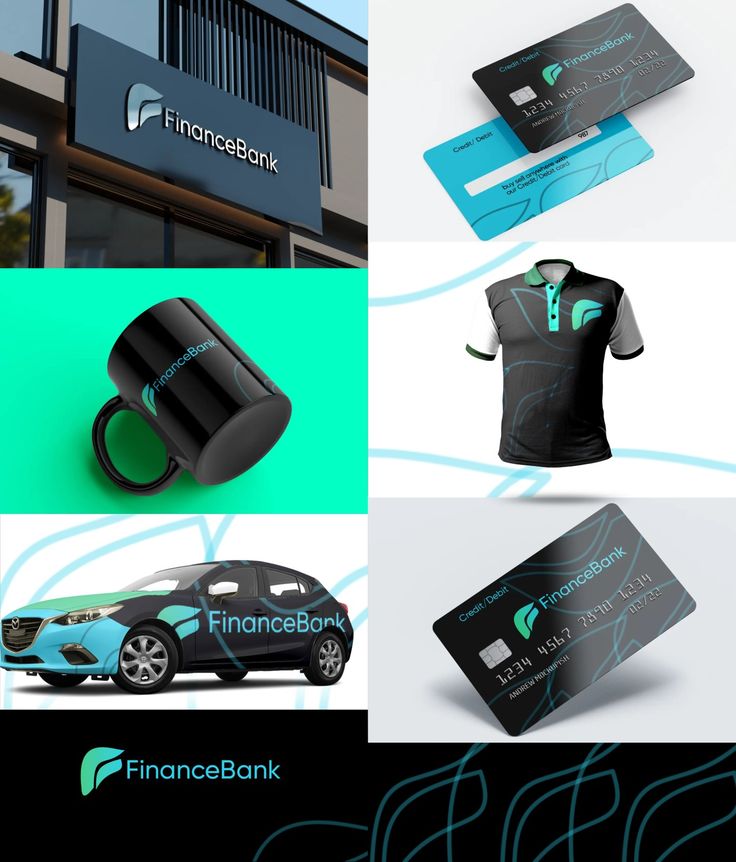
| Promotional Wear | Practical, daily use | Cultural appropriateness | Staff identification | Uniform program costs |
| Educational Flipbooks | Visual storytelling | Literacy-independent | Capability building | Training investment |
| Mobile App Interfaces | Offline functionality | Low-bandwidth design | Digital inclusion | UX research investment |
Agent Network and Field Presence
Microfinance distribution relies heavily on agent networks—local shops, market vendors, or dedicated field officers serving as brand touchpoints in remote areas. Agent branding requires: high-visibility signage distinguishable from competitors; branded apparel creating mobile brand presence; transaction materials (receipts, records) ensuring audit trails; and promotional items driving customer acquisition.
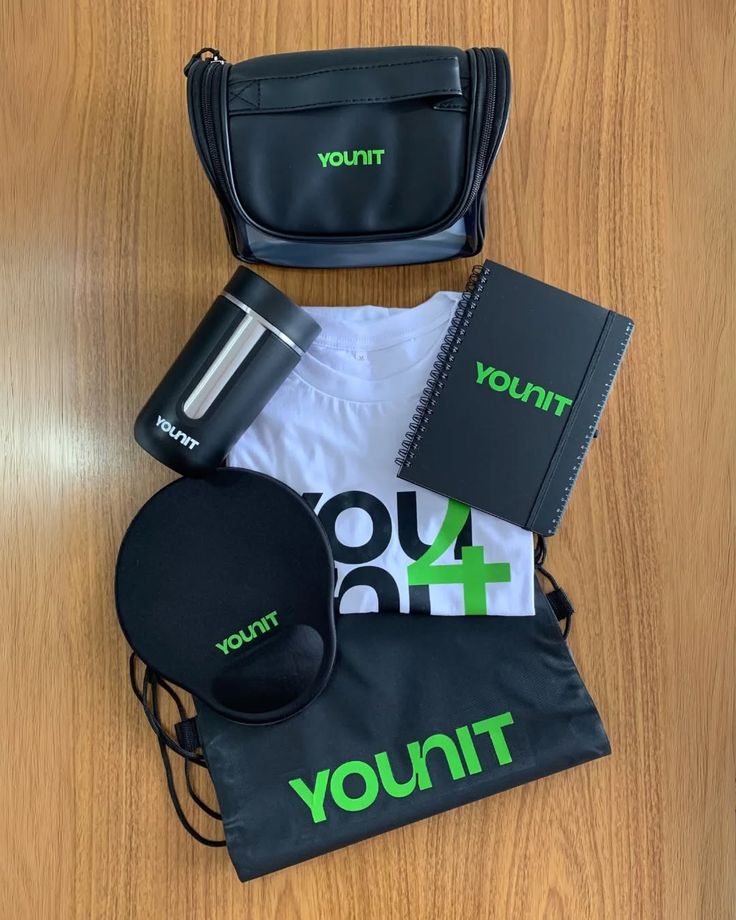
Field officer kits—branded bags, identification materials, product brochures, and digital devices—must withstand rural travel conditions while maintaining professional appearance. Solar charging solutions address electricity access challenges; ruggedized tablets or phones ensure connectivity; and uniform standards prevent fraud through impersonation.
Community-Centered Messaging
Effective MFI branding speaks to aspirations beyond financial transactions—business growth, education investment, housing improvement, emergency resilience. Messaging avoids charity framing (emphasizing partnership and capability) and debt stigma (positioning credit as investment tool). Success story documentation—member business growth, home construction, school fee payment—provides social proof and emotional connection.
Group-based methodologies (table banking, village savings and loan associations) require branding that honors collective identity while recognizing individual achievement. Materials support group processes: meeting facilitation guides, record-keeping tools, and recognition items for group milestones.
Digital and Physical Integration
Kenya's mobile money ubiquity (M-Pesa integration) requires MFI branding across physical and digital touchpoints. USSD interfaces (*XXX#) need memorable short codes; mobile apps require icon recognition; and agency banking materials bridge digital transactions with physical verification. Brand consistency across these channels builds recognition and trust.
However, digital exclusion remains—illiteracy, smartphone access limitations, and digital literacy gaps necessitate continued investment in physical materials and human touchpoints. Hybrid approaches (SMS confirmations for transactions, physical passbooks supplementing digital records) serve diverse customer capabilities.
Regulatory Compliance and Social Performance
MFIs navigate multiple regulatory frameworks: CBK supervision for DTMs; SASRA oversight for credit-only institutions; and AMREF for specific licensing. Branding must incorporate required disclosures, licensing badges, and complaint mechanism information without overwhelming community-friendly aesthetics.
Social performance branding—communicating development impact, client protection practices, and environmental responsibility—differentiates mission-driven MFIs from predatory lenders. Certifications (Smart Campaign, Social Performance Task Force) provide third-party validation warranting brand prominence.
Cost-Effectiveness and Sustainability
MFI branding operates under tight margin constraints requiring extreme cost efficiency. Strategies include: centralized procurement achieving economies of scale; durable material selection reducing replacement frequency; multi-purpose materials (passbooks with promotional messaging); and community production (local printing partnerships reducing transport costs). However, quality minimums must be maintained—flimsy materials suggest institutional instability.
Luna Graphics provides MFI-specific solutions balancing cost constraints with trust-building quality, including high-volume passbook printing, agent network kits, and community-appropriate design. Our understanding of Kenyan microfinance operations ensures practical, compliant, and effective branding.
Conclusion: Branding for Financial Empowerment
Microfinance branding serves dual purposes—business sustainability and social mission advancement. By building trust with financially vulnerable populations and creating accessible, respectful brand experiences, MFIs expand economic opportunity while building institutional resilience.
Luna Graphics partners with Kenyan microfinance institutions providing specialized expertise in inclusion-focused design, agent network branding, and cost-effective production. Contact our financial inclusion team to discuss branding strategies that serve your members and mission.
Written by Ian Love
Marketing Director
Professional contributor at Luna Graphics specializing in printing and branding solutions.