
Youth Political Engagement and Brand Identity
Political youth wings in Kenya—affiliated with major parties but organizationally distinct—serve crucial mobilization functions: voter registration drives, rally attendance, social media amplification, and grassroots organizing. Unlike main party branding (often formal, traditional), youth wing merchandise must resonate with 18-35 demographics through contemporary design, cultural relevance, and peer-to-peer appeal. Effective youth branding balances political messaging with fashion credibility—items young people wear voluntarily rather than obligation.
Kenya's youth demographic (75% of population under 35) represents electoral kingmakers, making youth wing investment strategically critical. However, youth skepticism toward traditional politics requires authentic engagement rather than top-down messaging—merchandise serves as cultural bridge between political structures and youth identity.
Youth-Centric Design Principles
Effective youth wing design diverges from parent party aesthetics: contemporary typography (bold, modern fonts vs. traditional serif); streetwear influences (oversized fits, graphic tees, snapbacks, hoodies); cultural references (Sheng language, Gengetone aesthetics, meme culture, local slang); and color psychology (vibrant, energetic palettes vs. party colors sometimes muted). Design must pass "cool test"—would youth wear this if it weren't political?
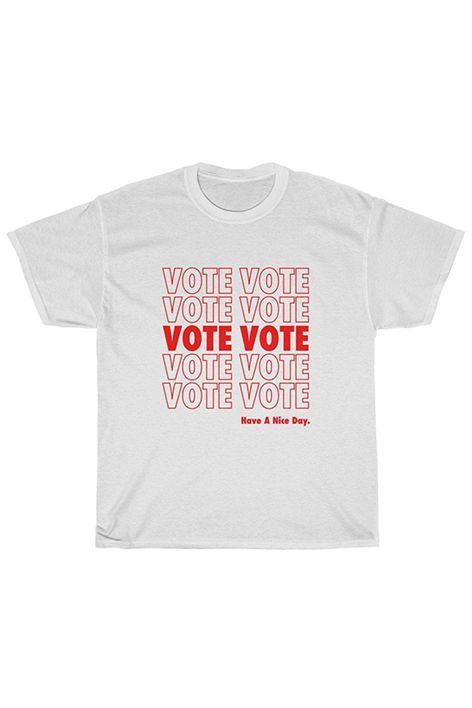
Slogan development: issue-specific messaging (employment, education, climate) rather than generic party loyalty; call-to-action statements (Register, Vote, Lead); and inside references creating community recognition. Avoid patronizing tone—youth recognize and reject inauthentic pandering.
| Youth Merchandise | Design Approach | Distribution Method | Engagement Function | Cost Efficiency |
|---|---|---|---|---|
| Graphic Tees | Streetwear, meme culture | Event sales, peer reps | Identity, conversation starter | High volume, low margin |
| Snapbacks/Caps | Embroidered logos, slogans | Rally giveaways, contests | Daily wear, visibility | Medium cost, high retention |
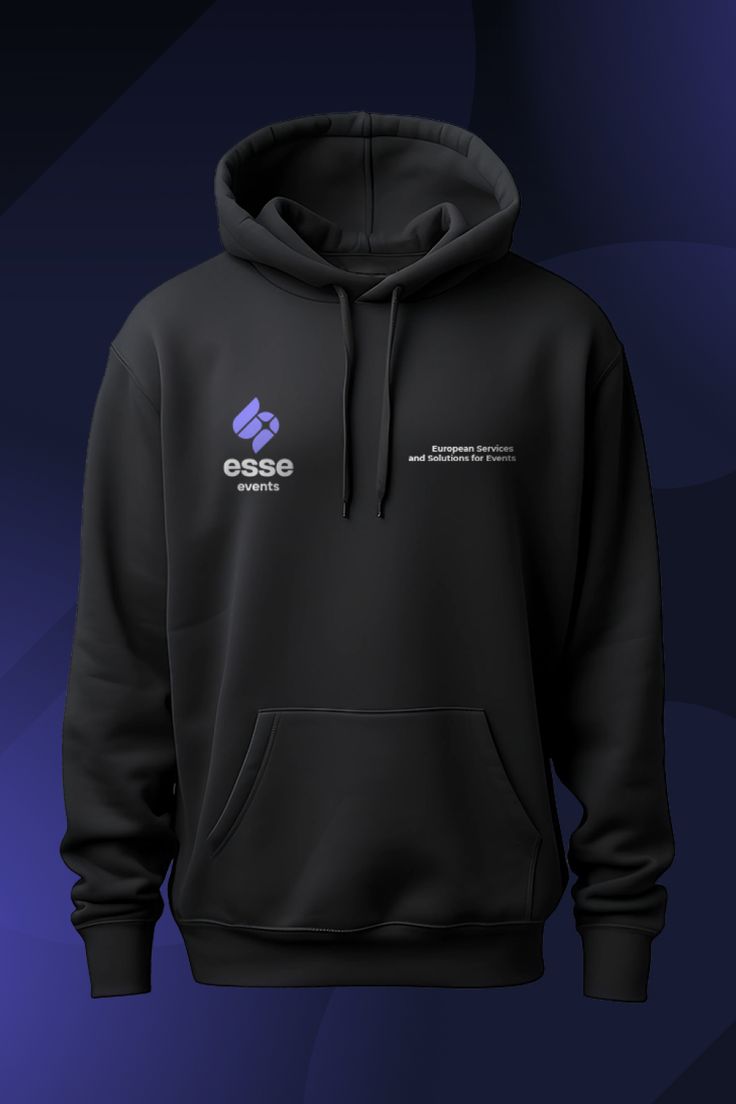
| Hoodies | Premium quality, subtle branding | Membership rewards, fundraisers | Status item, loyalty signal | Higher cost, exclusive |
| Wristbands | Silicone, cause colors | Mass distribution, registration | Solidarity symbol, low cost | Very low cost, universal |
| Phone Accessories | Cases, popsockets, cables | Digital campaign rewards | Daily utility, tech relevance | Medium cost, high utility |
| Tote Bags | Eco messaging, urban utility | University outreach, events | Practical, values alignment | Low cost, reuse visibility |
| Stickers/Decals | Laptop, water bottle branding | Peer-to-peer, guerrilla | Self-expression, viral spread | Very low cost, high reach |
| Event Tickets | Wristbands, lanyards | Rally access, VIP tiers | Exclusivity, memorabilia | Access control + branding |
Peer-to-Peer Distribution Networks
Youth merchandise effectiveness depends on distribution through trusted networks rather than hierarchical handouts: campus ambassadors (university students with merchandise allocation for peer recruitment); influencer partnerships (youth culture figures, musicians, comedians); crew leaders (neighborhood youth organizers with distribution autonomy); and digital-first distribution (social media contests, challenge participation rewards). Top-down distribution feels transactional; peer networks feel organic.
Distribution timing aligns with cultural moments: back-to-school periods (campus visibility); music festivals and sporting events (youth gathering points); and viral moment capitalization (trending topics, meme merchandise). Agility matters—month-long procurement cycles miss cultural windows.
Digital Integration and Social Amplification
Youth wing merchandise bridges physical and digital activism: QR codes linking to voter registration, manifesto summaries, or event details; hashtag campaigns (#YouthForChange, party-specific tags) encouraging merchandise photography; augmented reality filters (scanning merchandise triggers social media filters); and NFT/digital twin components (physical item includes digital collectible). Social proof drives desire—youth share merchandise photos signaling affiliation and values.
User-generated content strategies: merchandise unboxing videos; "fit checks" featuring political apparel; and challenge campaigns (post photo, tag friends, win premium items). Digital amplification extends reach exponentially beyond physical distribution numbers.
Cost-Effective Mobilization at Scale
Youth wings typically operate limited budgets requiring efficiency: high-volume, low-cost items (wristbands, stickers) for mass distribution; mid-tier items (t-shirts, caps) for active members; and premium items (hoodies, tech accessories) for leaders and rewards. Bulk procurement and local production reduce costs; sponsor partnerships (youth-focused brands) offset expenses; and merchandise sales (rather than giveaways) to committed supporters generate revenue.
Cost-per-wear analysis favors durable, desirable items over disposable handouts—a quality hoodie worn 50 times outperforms cheap t-shirt worn twice and discarded.
Cultural Authenticity and Avoiding Cringe
The greatest risk in youth political branding is inauthenticity—older political operatives designing "youth" materials that miss cultural nuance. Prevention strategies: youth design committees with decision power (not just consultation); rapid testing (small batches, feedback iteration); cultural advisor review (Sheng speakers, youth culture experts); and competitive analysis (what streetwear brands, musicians, and sports teams do successfully).
Humility in design—acknowledging youth cultural leadership rather than political patronage—builds authentic connection. Merchandise should feel like youth culture with political dimension, not politics attempting youth mimicry.
Legal Compliance and Safety
Youth wing activities operate within political and legal frameworks: campaign period restrictions (official election timelines); hate speech prohibitions (ethnic or inflammatory messaging); and financial reporting (merchandise expenditure disclosure). Safety considerations—avoiding merchandise that identifies youth in volatile environments; secure distribution avoiding conflict zones; and digital privacy protecting youth data in registration drives.
Parent party coordination ensures messaging alignment without stifling youth voice—youth wings should complement, not contradict, broader campaign themes.
Conclusion: Merchandise as Youth Movement Building
Political youth wing merchandise serves movement-building functions beyond advertising—creating identity, community, and cultural relevance that traditional political branding cannot achieve. For Kenyan parties seeking youth engagement, authentic, well-designed merchandise represents essential infrastructure.
Luna Graphics provides youth-focused political branding—contemporary design, rapid production, and culturally-informed strategy. We understand the delicate balance between political messaging and youth culture authenticity. Contact our political team for youth wing merchandise consultation.
Written by Ian Love
Marketing Director
Professional contributor at Luna Graphics specializing in printing and branding solutions.