The Psychology of Surface Finish
Surface finish profoundly affects how audiences perceive and interact with printed materials, influencing judgments of quality, credibility, and brand positioning before a single word is read. The choice between matte and glossy finishes—or strategic combination of both—represents deliberate brand communication that should align with overall identity strategy rather than defaulting to habit or lowest cost.
Glossy finishes create immediate visual impact through light reflection and color saturation. The smooth, reflective surface maximizes ink density appearance, producing vibrant colors and sharp detail that command attention. This characteristics suits brands emphasizing energy, modernity, and bold presence—technology companies, entertainment properties, youth-focused products.
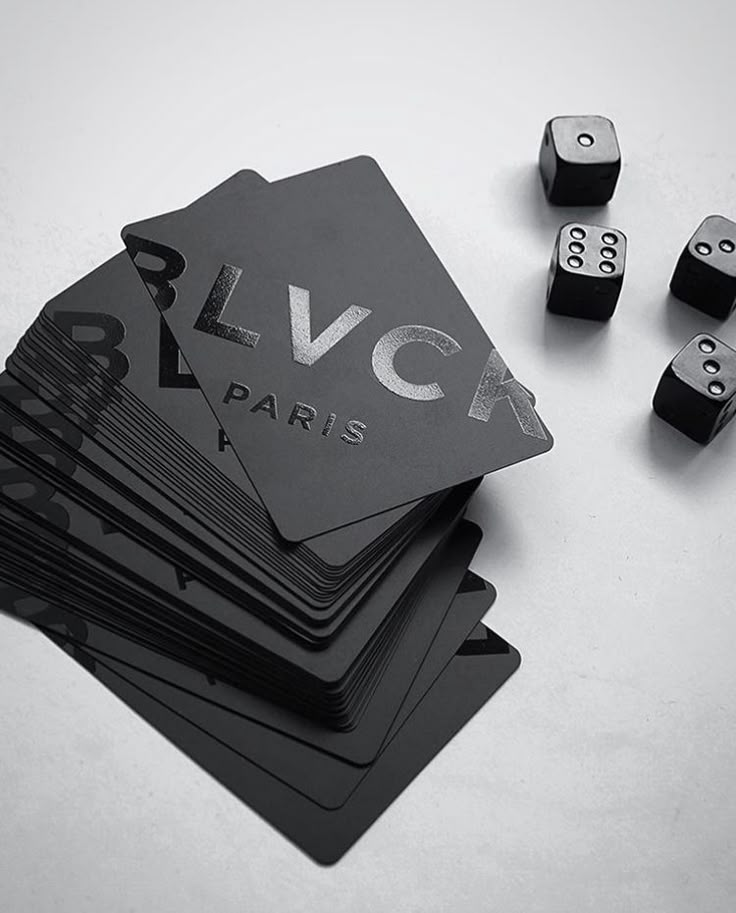
Matte finishes communicate sophistication, understatement, and tactile quality. The non-reflective surface eliminates glare, enabling comfortable reading under varied lighting conditions while conveying refined restraint. Luxury brands, professional services, and heritage organizations often select matte finishes to reinforce positioning of timeless quality over flashy trendiness.
Technical Characteristics and Performance
Gloss coatings—whether aqueous, UV, or laminate—create hard, smooth surfaces with specific performance characteristics. The coating seals ink beneath a protective layer, providing excellent rub resistance and moisture protection. However, the same reflectivity that enhances visual impact creates glare under direct lighting that can obscure content and cause eye strain during extended reading.
Fingerprint visibility presents practical challenges for glossy materials. The smooth surface shows oils from handling prominently, requiring frequent cleaning for materials subject to repeated touch. This characteristic makes glossy finishes problematic for frequently handled items like menus, instruction manuals, or materials in food service environments.
Matte coatings provide softer protection with different performance trade-offs. The slightly textured surface diffuses light rather than reflecting it, eliminating glare and reducing fingerprint visibility. However, matte surfaces generally offer less abrasion resistance than glossy alternatives, showing wear more readily in high-contact applications.
Writeability distinguishes matte finishes for specific applications. The slightly porous surface accepts pencil and many pen types, enabling annotation—valuable for educational materials, workbooks, or documents requiring signatures. Glossy surfaces resist writing, requiring permanent markers for any notation.
Application-Specific Recommendations
| Application | Recommended Finish | Rationale |
|---|---|---|
| Photography Books/Portfolios | Glossy or Semi-Gloss | Maximizes image impact and color depth |
| Annual Reports/Financial | Matte or Dull | Conveys seriousness, reduces glare during review |
| Luxury Brand Collateral | Soft Touch Matte | Tactile sophistication, premium perception |
| Restaurant Menus | Matte or Satin | Reduces glare, hides handling marks |
| Product Packaging | Varies by category | Category conventions and shelf visibility needs |
| Business Cards | Varies by industry | Professional services: matte; creative: glossy |
| Outdoor Signage | Matte or Anti-Glare | Prevents mirror effect in sunlight |
| Direct Mail | Glossy or Spot Gloss | Shelf impact and visual stopping power |
| Technical Manuals | Matte | Writeability, extended reading comfort |
| Art Reproductions | Varies by medium | Oil paintings: matte; photography: glossy |
Hybrid Approaches: Strategic Finish Combination
Spot gloss techniques apply glossy coating to specific design elements while leaving surrounding areas matte. This contrast creates visual hierarchy and tactile interest that draws attention to key messages or imagery. Logos, product images, or call-to-action elements pop dramatically against matte backgrounds through selective gloss application.
Soft touch coatings provide matte appearance with distinctive tactile sensation—velvety, almost rubberized feel that creates memorable handling experience. These premium finishes command attention through sensory engagement beyond visual characteristics, suitable for high-impact corporate gifts, luxury packaging, or premium brochures.
Textured finishes including linen, felt, or canvas patterns add dimensional interest to matte surfaces. These specialty coatings create associations with traditional craftsmanship and material quality, elevating perception of printed pieces beyond standard commercial production.
Cost Considerations and Production Factors
Finish selection affects production costs through material and process requirements. Inline aqueous coatings applied during printing add minimal cost and time. Offline UV coating requires additional production step and equipment investment, reflected in pricing premiums of 15-30%. Laminate films provide maximum protection at highest cost, typically 30-50% above uncoated pricing.
Soft touch and textured coatings represent premium options with corresponding pricing. These finishes require specialized equipment and materials, often adding 50-100% to base printing costs. The investment proves justified for high-stakes applications where differentiation and premium perception directly influence business outcomes.
Design considerations should account for finish interaction with content. Glossy finishes can darken shadow areas and create color shifts that require compensation in file preparation. Matte finishes may reduce apparent contrast, requiring adjusted tonal curves to maintain visual impact. Professional prepress teams should provide proofing showing final finish effects.
Kenyan Market Considerations
Environmental factors influence finish durability in Kenyan conditions. High UV exposure accelerates coating degradation, with lower-quality gloss coatings becoming brittle and cracking within months outdoors. UV-resistant formulations specifically engineered for African sunlight conditions prove essential for exterior applications.
Dust and handling characteristics affect finish selection for materials distributed in field conditions. Matte finishes hide dust accumulation better than glossy surfaces that show every particle. For agricultural, construction, or rural applications, matte or textured finishes maintain appearance longer between cleanings.
Local production capabilities vary in finish sophistication. Basic glossy aqueous coating is widely available, while soft touch, textured, and precision spot gloss applications require advanced equipment found only in leading facilities. Luna Graphics maintains comprehensive coating capabilities including specialty finishes that differentiate premium projects.
Consult Luna Graphics' finishing specialists to evaluate optimal coating strategies for your specific applications. We provide sample comparisons showing identical designs with different finishes, enabling informed selection based on actual appearance and handling rather than theoretical descriptions.
Written by Ian Love
Marketing Director
Professional contributor at Luna Graphics specializing in printing and branding solutions.