
Technology Definitions
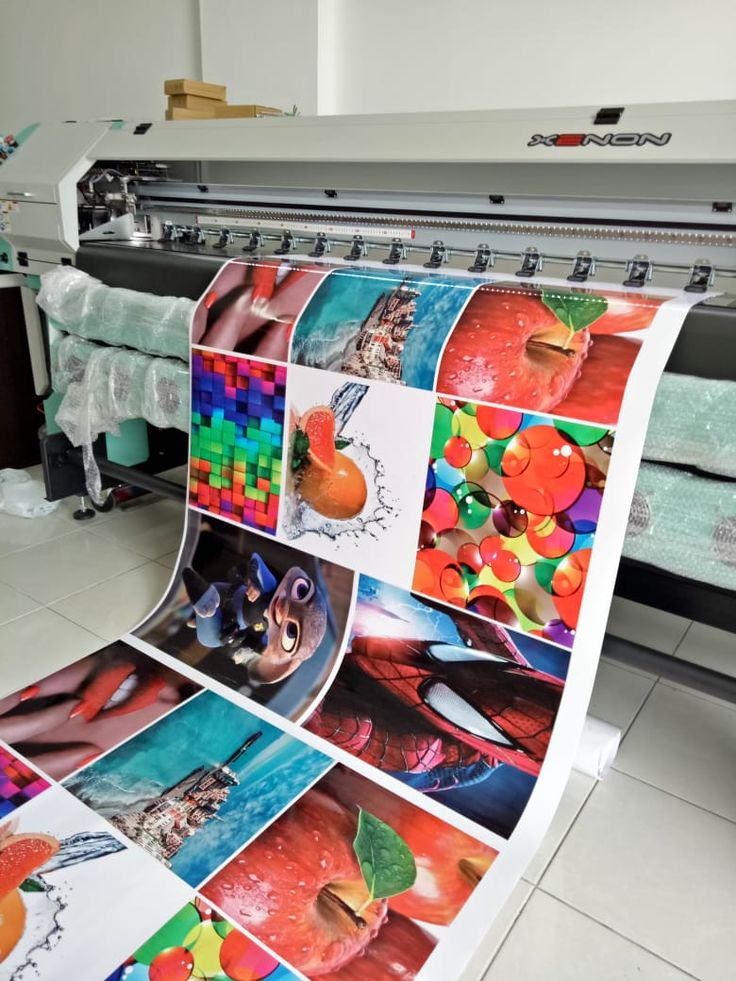
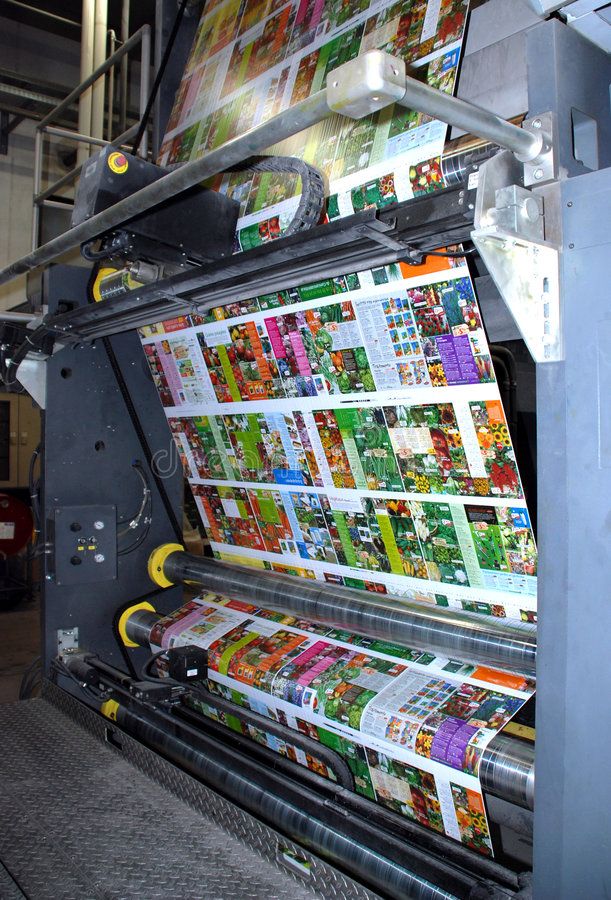
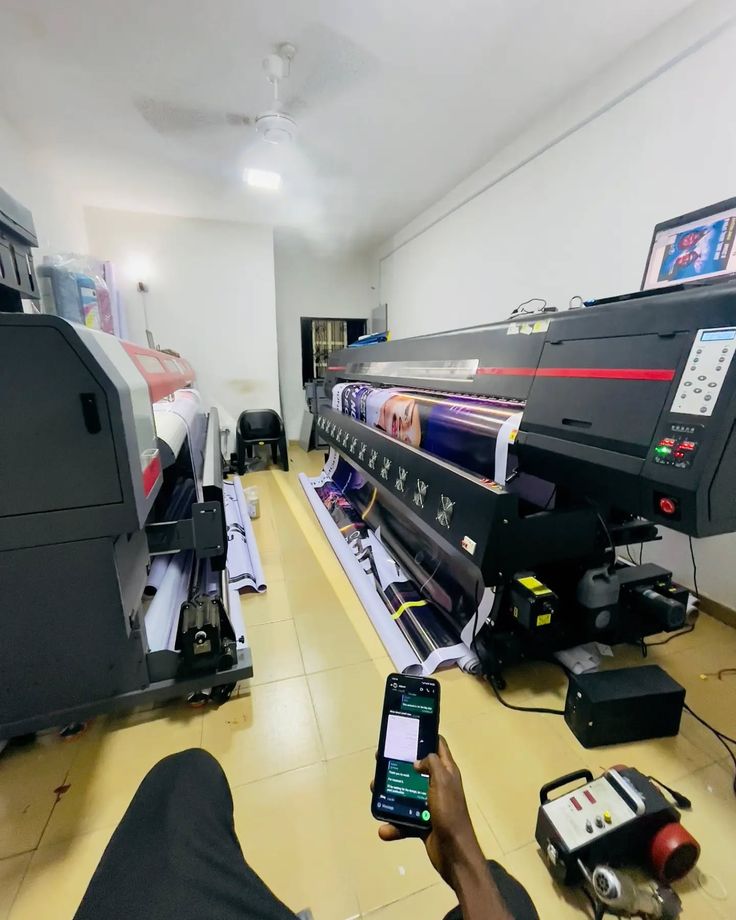
"Large format printing" commonly refers to roll-fed systems handling flexible materials (vinyl, paper, fabric). "UV printing" typically describes flatbed or hybrid systems curing ink with ultraviolet light. However, UV technology also powers some roll-fed systems, creating terminology confusion. This comparison addresses roll-fed (solvent/latex/aqueous) versus flatbed UV applications.
Material Compatibility
Roll-fed large format excels with: flexible roll materials (banner vinyl, adhesive vinyl, paper, canvas); long runs of continuous graphics; and lightweight materials for transport.
Flatbed UV dominates: rigid substrates (foam board, acrylic, metal, glass, wood); thick materials (>10mm); and irregular objects (promotional items, dimensional letters).
Hybrid UV systems bridge both: roll-to-roll capability for flexible materials; flatbed for rigid; and combination for rigid materials fed through roll systems.
Application Suitability
Choose roll-fed for: banners and soft signage; vehicle wraps (conformability); wallpaper and wall coverings; and textile printing.
Choose flatbed UV for: rigid signage (foam board, ACM); promotional products; packaging prototypes; and direct-to-object printing (phone cases, awards).
Overlap applications: posters (either technology); point-of-sale displays; and exhibition graphics.
Production Characteristics
Speed: roll-fed generally faster for flexible materials; flatbed speed varies by substrate thickness and print mode.
Instant curing: UV advantage—immediate handling, no outgassing, same-day finishing. Roll-fed solvent requires drying time.
White ink: UV systems commonly offer white ink for colored/transparent substrates; roll-fed white ink less common and more complex.
Layer printing: UV enables textured effects, gloss differential, and multi-layer builds impossible with roll-fed.
Quality Comparisons
Durability: comparable with proper material selection; UV offers superior scratch resistance; roll-fed solvent offers better flexibility for wraps.
Color gamut: technology-specific variations; both achieve photographic quality with proper profiling.
Resolution: comparable specifications (600-1200 DPI effective); UV may show texture on rigid materials.
Economic Factors
Equipment investment: flatbed UV 2-3× roll-fed equivalent; higher overhead requires volume justification.
Per-square-meter costs: comparable for common applications; UV premium for specialized effects.
Setup and waste: UV advantage for short runs (no material loading waste); roll-fed advantage for long runs (continuous feeding).
Decision Framework
Select roll-fed when: primary applications are flexible materials; high-volume production; conformability required (wraps); and budget constraints prioritize lower equipment costs.
Select flatbed UV when: rigid substrates dominate; instant turnaround critical; white ink or special effects required; and premium positioning justifies investment.
Luna Graphics operates both roll-fed latex and flatbed UV systems, selecting optimal technology per project. Our hybrid capabilities address diverse requirements without compromise. Contact our technical team for application-specific recommendations.
Written by Ian Love
Marketing Director
Professional contributor at Luna Graphics specializing in printing and branding solutions.