Defining the Technologies
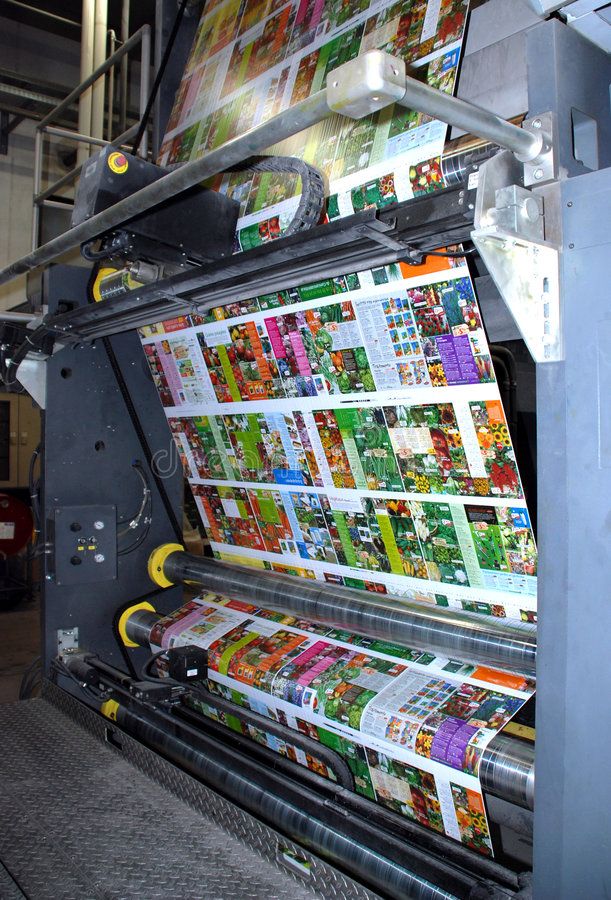
Digital printing encompasses electrophotographic (laser) and inkjet technologies producing images directly from digital files without intermediate plates or screens. This category includes desktop printers, copiers, and production presses handling sheet-fed or small roll materials up to approximately 19 inches width. Applications include business documents, marketing collateral, packaging prototypes, and photographic prints [^1^].
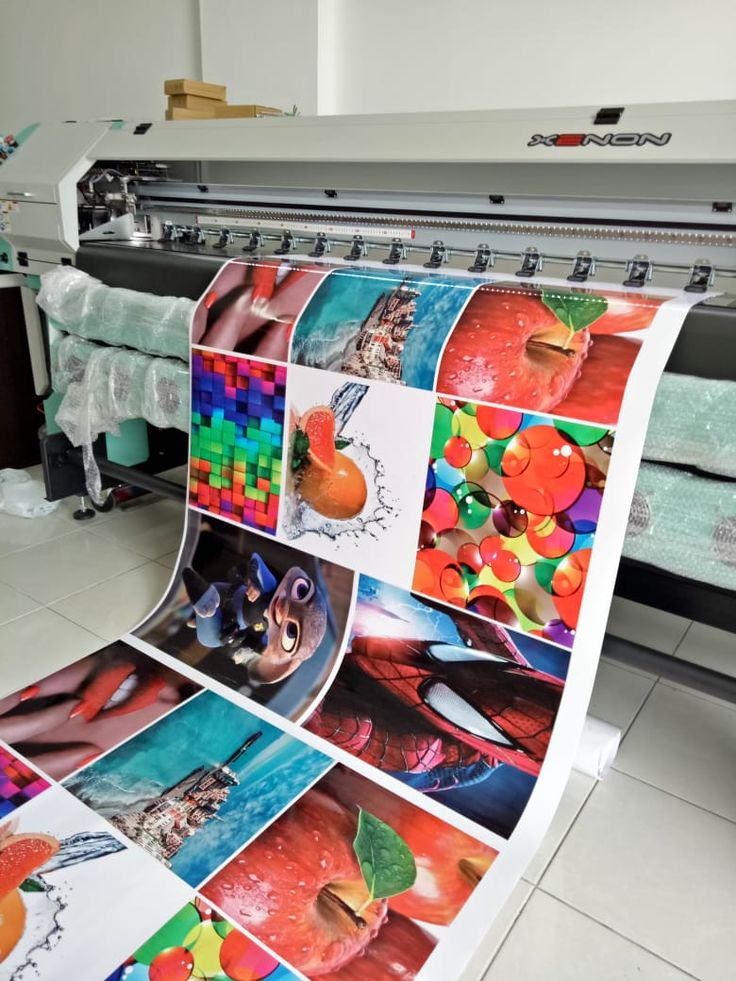
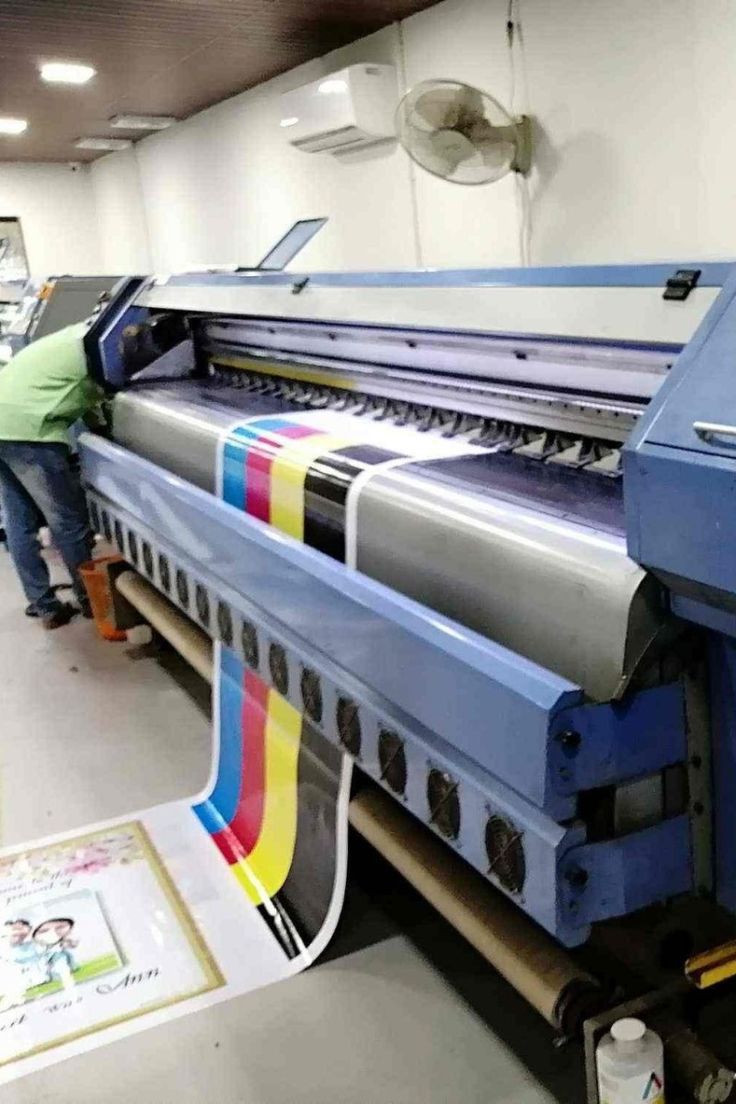
Large format printing represents a specialized inkjet subset designed for oversized output exceeding 24 inches width, extending to 16 feet or beyond. These systems accommodate roll-fed flexible materials or rigid substrates, producing graphics for advertising, signage, and architectural applications. The distinction blurs somewhat as production inkjet presses grow in width, but large format maintains focus on single-piece graphics rather than multiple-up document production.
The fundamental difference lies in scale and application rather than basic imaging technology. Both categories utilize inkjet mechanisms, but large format systems feature wider printheads, heavier material handling infrastructure, and specialized inks formulated for diverse substrates including vinyl, canvas, and rigid boards [^3^].
Size Capabilities and Limitations
Digital printing equipment typically handles maximum sheet sizes of 13x19 inches (desktop), 12x18 inches (office copiers), or 20x29 inches (production presses). Some continuous-feed inkjet systems extend to 22-inch widths for specific applications. These limitations suit documents, brochures, and small posters but preclude signage, banners, and architectural graphics [^4^].
Large format systems begin at 24-inch widths with common configurations at 36, 54, 60, and 64 inches. Grand format printers extend to 98 inches or beyond for billboard production. Length limitations depend on material roll capacity rather than printer mechanics, enabling continuous printing of hundreds of feet for building wraps or exhibition backdrops.
This dimensional distinction determines application suitability. Wayfinding signage, point-of-sale displays, and outdoor advertising require large format capabilities, while business stationery, flyers, and booklets remain digital printing domains. Some overlap exists in poster production, where both technologies compete depending on size requirements and volume.
Material Substrates and Compatibility
Digital printing primarily utilizes paper stocks ranging from thin bond to heavy cardstock, with limited specialty media including magnetic sheets and synthetic papers. Production environments may handle light textiles for soft signage, but material versatility remains constrained compared to large format systems.
Large format printing accommodates extensive substrate variety. Flexible materials include PVC vinyl (frontlit, backlit, mesh), canvas, photographic papers, backlit films, and textiles. Rigid substrates encompass foam boards, acrylic, polycarbonate, aluminum composites, wood, and glass. UV-curable large format systems print directly onto virtually any flat surface up to several inches thickness [^6^].
This material diversity enables applications impossible with digital printing: outdoor banners weathering monsoon conditions, floor graphics with slip-resistant coatings, window perf films maintaining visibility from inside, and direct-to-substrate printing on architectural elements.
Production Volume and Economics
Digital printing excels in short-run and variable data applications. Without plate-making or setup requirements, unit costs remain constant regardless of quantity, making digital economical for runs under 500-1000 impressions. Variable data capability enables personalization—each printed piece unique in text or imagery—critical for direct mail and targeted marketing [^10^].
Large format printing optimizes single-piece or low-quantity production. Setup costs distribute across large individual pieces rather than multiple small documents. While digital printing achieves economy through speed and automation, large format efficiency derives from material yield and printhead coverage optimization. Neither technology shows significant per-unit cost reduction at high volumes—large format remains cost-effective for one-off graphics that would require digital sheet tiling and assembly.
Cost comparison requires normalized analysis. Digital printing prices per sheet or impression; large format per square meter. A 100-piece digital brochure run might cost KES 15,000, while a single 10-square-meter banner costs similar amounts. The determining factor is application requirements rather than inherent technology economics.
Quality Characteristics and Resolution
Digital printing achieves high resolution through small droplet sizes and precise registration. Laser systems produce 1200-2400 DPI equivalent through electrostatic imaging. Production inkjet systems operate at 600-1200 DPI with variable droplet technology creating perceived higher resolution through grayscale levels.
Large format printing operates at apparently lower resolutions—typically 300-720 DPI—yet produces visually stunning results due to viewing distance compensation. Billboards viewed from 50 meters require far less resolution than brochures examined at arm's length. Large format RIP software optimizes file resolution for intended viewing distance, preventing unnecessarily large file sizes [^4^].
Color gamut and consistency differ between technologies. Digital presses often utilize additional ink stations (beyond CMYK) expanding color range for brand matching. Large format systems focus on durability and substrate adhesion, sometimes accepting slightly reduced gamut for outdoor longevity. Both technologies achieve excellent color accuracy when properly calibrated and profiled.
Turnaround Time and Workflow
Digital printing offers immediate production capability—files print directly without preprocessing beyond basic RIP interpretation. Same-day turnaround is standard for reasonable quantities. This responsiveness supports agile marketing and last-minute requirements.
Large format production involves additional preparation: material loading, printhead alignment, color profiling for specific substrates, and physical finishing (cutting, hemming, grommeting). While modern systems offer rapid throughput (some exceeding 100 square meters hourly), preprocessing and post-processing extend timelines. Standard turnaround ranges 24-72 hours depending on complexity.
Both technologies accommodate rush service for premium pricing, but large format faces physical constraints—ink curing times, lamination requirements, and installation scheduling—that digital printing avoids.
Application Suitability Matrix
Choose digital printing for: business documents, marketing collateral (brochures, flyers), packaging prototypes, photographic prints under 20x30 inches, variable data campaigns, and any application requiring paper-based output in quantities under 1000 pieces.
Choose large format printing for: outdoor signage and banners, retail point-of-purchase displays, vehicle graphics, exhibition and event graphics, architectural presentations, wall coverings, floor graphics, and any application exceeding 24 inches in any dimension or requiring non-paper substrates.
Hybrid applications—large photographic displays, for instance—may utilize either technology depending on specific requirements. Digital printing can produce tiled sections assembled into larger displays, while large format offers seamless single-piece output. Evaluation criteria include viewing distance, durability requirements, installation constraints, and budget considerations.
Integration and Complementary Use
Sophisticated marketing campaigns often integrate both technologies. Digital printing produces supporting collateral distributed with large format graphics at events or retail locations. Brand consistency across both technologies requires color management discipline and standardized profiles.
Workflow integration challenges include file preparation differences. Digital printing typically accepts standard PDF files with embedded fonts and images. Large format requires attention to resolution scaling, bleed allowances, and color mode conversion (RGB to CMYK or spot color systems). Providers offering both services should coordinate these workflows ensuring consistent output.
Luna Graphics operates comprehensive digital and large format production capabilities, enabling seamless integration across your marketing materials. Our color management protocols ensure brand consistency whether producing business cards or building wraps. Consult our technical team to determine optimal technology selection for your specific applications.
Written by Ian Love
Marketing Director
Professional contributor at Luna Graphics specializing in printing and branding solutions.