
Scenic Design Applications
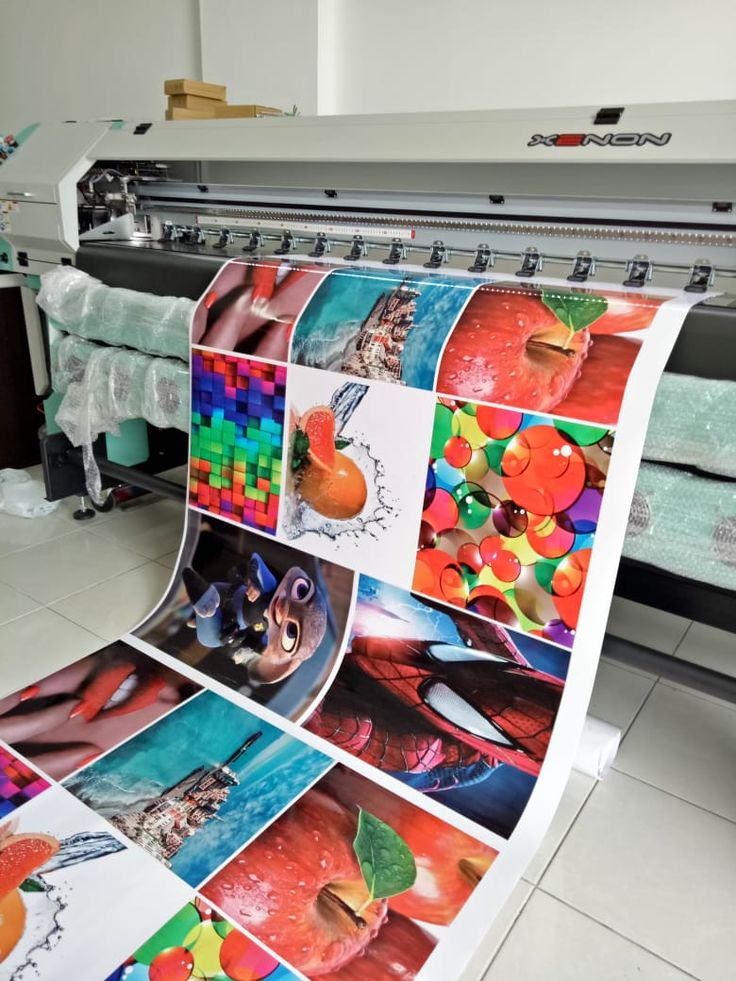
Large format printing enables theatrical scenic design previously requiring hand-painted execution. Digital printing offers: photorealistic imagery; rapid design changes; repeatable consistency for touring productions; and cost efficiency for limited runs. Applications span theater, television, concerts, corporate events, and worship environments.
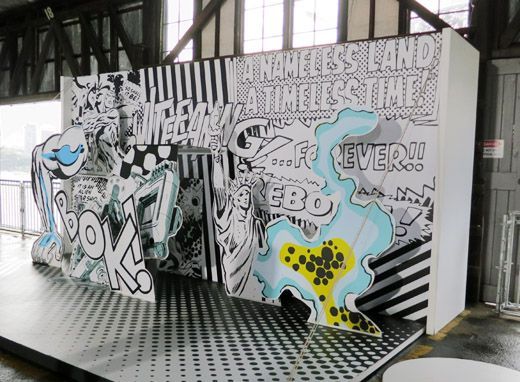
Printed scenic elements include: backdrops (full stage or cyc); flat coverings (transforming standard platforms); floor treatments; and three-dimensional wrapped structures. Integration with lighting, projection, and physical props creates immersive environments.
Backdrop and Cyclorama Systems
Traditional canvas drops have largely given way to fabric printing. Dye-sublimation on polyester provides: seamless widths to 5m+; wrinkle resistance; and acoustic transparency improving sound quality. Blackout fabrics prevent light leak for front projection.
Hard cycs (curved back walls) utilize printed rigid materials or tensioned fabric. UV-printed plywood or MDF creates durable, rigid surfaces; tensioned fabric offers flexibility and packability.
Projection compatibility requires: matte white or gray surfaces; even texture preventing hot spots; and appropriate gain (reflectivity) for throw distance.
Scenic Flats and Structures
Standard theatrical flats (1.2m x 2.4m) accept printed coverings transforming generic platforms into specific locations. Velcro, magnet, or staple attachment enables rapid changeovers.
Three-dimensional elements—columns, arches, architectural details—are constructed from foam or wood and wrapped with printed vinyl or fabric. CNC cutting creates precise shapes from digital files.
Floor treatments include: printed vinyl resembling wood, tile, or terrain; and dance floor wraps with slip-resistant surfaces.
Material Specifications
Theatrical fabrics prioritize: flame retardancy (certified to NFPA 701 or equivalent); opacity or translucency as required; and durability for folding/packing. Inherently flame-retardant polyester is standard.
Rigid substrates for set construction: lightweight foam board for temporary use; plywood or MDF for durability; and honeycomb panels for large lightweight structures.
Projection surfaces require specific gain values—1.0-1.3 for standard projection; 0.8-1.0 for short throw; higher gain for bright environments.
Integration with Lighting and Projection
Lighting design must account for printed scenery—color temperature affects appearance; gobos can add texture to flat prints; and UV lighting may affect certain inks.
Projection mapping onto printed surfaces creates dynamic, changeable environments. Printed base layers provide texture while projection adds movement and variation.
Front vs. rear projection determines material opacity and surface finish requirements.
Production Workflow
Scale and perspective—design files must account for audience viewing angles. Forced perspective techniques can suggest greater depth than physical space allows.
Seaming large drops requires pattern matching and welding. Professional theatrical sewing creates flat, strong seams.
Installation coordination with lighting, rigging, and stage management ensures safety and timing.
Luna Graphics serves Kenya's theatrical and event production community with scenic printing capabilities: wide-format fabric printing; rigid substrate direct printing; and coordination with set designers. Contact our production team for your scenic requirements.
Written by Ian Love
Marketing Director
Professional contributor at Luna Graphics specializing in printing and branding solutions.