
Hospitality Environment Design
Restaurants and hotels compete on experience as much as product or service. Large format printing enables atmospheric transformation supporting brand positioning, cultural theming, and guest comfort. From boutique hotels to quick-service restaurants, environmental graphics differentiate properties in crowded markets.
Hospitality applications balance aesthetic impact with practical requirements: durability in high-humidity environments (kitchens, pools); cleanability for hygiene standards; and flexibility for menu or seasonal changes. Material selection and installation methods address these unique demands.
Restaurant Applications
Menu presentation utilizes large format for: digital menu boards (printed backlit faces); wall-mounted static menus; and promotional boards highlighting specials. Backlit films and transparencies create appetizing food imagery; chalkboard-look vinyls suggest artisanal authenticity.
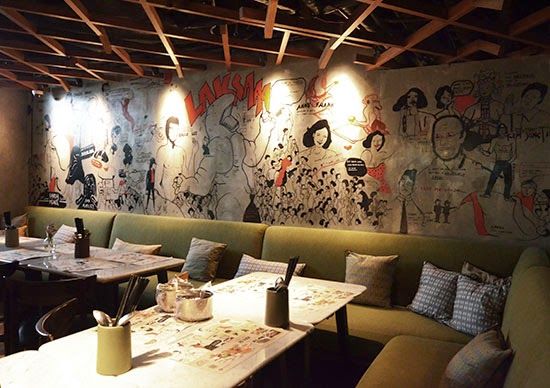
Atmosphere creation includes: wall murals establishing cultural themes (Italian trattoria, Japanese izakaya); window graphics managing privacy and street visibility; and ceiling treatments enhancing intimacy or energy. Custom wallpaper creates unique dining room identities.
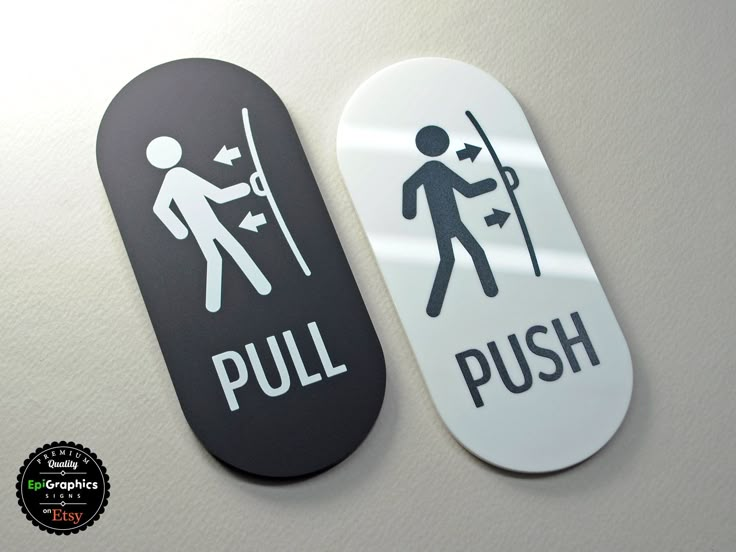
Wayfinding and information encompasses: restroom and exit signage; hostess stands and wait station branding; and safety/regulatory compliance integrated with decor. Floor graphics guide queue management in fast-casual concepts.
Bar and lounge areas utilize: backlit bottle displays; feature walls with illuminated graphics; and branded coasters and table elements. These details reinforce beverage programs and upsell opportunities.
Hotel Applications
Guest room environments feature: headboard walls with branded or thematic imagery; bathroom privacy films with subtle patterns; and informational graphics (services, emergency procedures) integrated with decor.
Public spaces include: lobby feature walls creating arrival impressions; elevator interiors and lobby directories; and corridor wayfinding with room numbering and directional guidance.
Amenity areas utilize: spa atmosphere graphics suggesting tranquility; fitness center motivational imagery; and pool area theming with moisture-resistant materials. Conference and banquet spaces require flexible branding supporting various events.
Exterior applications encompass: porte-cochère branding; parking structure graphics; and directional signage from street to reception. Illuminated channel letters and cabinet signs establish presence.
Material Specifications for Hospitality
Moisture resistance is critical for kitchens, bathrooms, and pool areas. Vinyl wall coverings with welded seams prevent water infiltration; moisture-resistant substrates (PVC, acrylic) maintain appearance in humid conditions; and anti-microbial treatments support hygiene standards.
Cleanability requirements dictate smooth, non-porous surfaces resisting staining and enabling disinfection. Avoid textured materials trapping contaminants in food service areas.
Fire ratings comply with hospitality codes. Class A fire-rated materials required for public spaces; smoke and toxicity ratings affect material selection for enclosed areas.
Design for Experience
Cultural authenticity guides thematic restaurants and boutique hotels. Large format enables reproduction of traditional patterns, architectural elements, or artistic styles creating immersive environments. Local artist collaborations support community connection and unique positioning.
Instagram-worthy moments generate organic marketing. Feature walls, unique installations, and photogenic backdrops encourage guest photography and social sharing. Large format creates these moments cost-effectively.
Lighting integration enhances hospitality graphics. Dimmable backlighting adjusts atmosphere throughout service periods; accent lighting highlights architectural features; and color-tunable systems support event theming.
Operational Considerations
Change frequency varies by application: permanent brand elements justify investment; seasonal promotions require rapid update capability; and daily specials utilize digital or changeable systems.
Installation timing minimizes guest disruption: overnight work in public areas; room-by-room rotation during low occupancy; and coordination with renovation schedules.
Maintenance protocols preserve appearance: daily cleaning procedures; quarterly deep maintenance; and refresh cycles preventing dated appearance.
Luna Graphics serves Kenya's hospitality sector with materials and expertise addressing industry-specific requirements. Our portfolio includes hotel chains, restaurant groups, and independent properties. Contact our hospitality specialists to enhance your guest experience.
Written by Ian Love
Marketing Director
Professional contributor at Luna Graphics specializing in printing and branding solutions.