
Experience Design Fundamentals
Event success increasingly depends on attendee experience quality rather than mere content delivery. Large format printing enables environmental design shaping mood, facilitating navigation, and creating memorable moments. From arrival to departure, graphics influence satisfaction, learning retention, and social sharing.
Environmental psychology research demonstrates that physical surroundings affect emotional states, social behavior, and cognitive performance. Event graphics leverage these effects—calming colors in congested areas; energizing graphics in lethargic zones; and clear wayfinding reducing anxiety.
Wayfinding and Cognitive Load
Events present complex spatial challenges: multiple venues or rooms; concurrent sessions; amenities scattered across large footprints; and time pressure between activities. Poor wayfinding creates stress, reduces session attendance, and generates negative impressions.
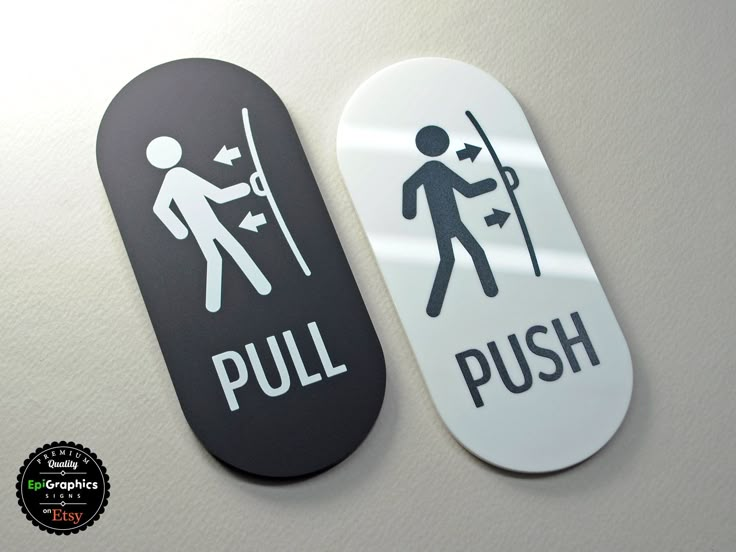
Effective wayfinding systems utilize: hierarchical signage (venue, building, room levels); consistent color coding; intuitive iconography; and strategic placement at decision points. Large format enables visibility from distance and clarity under time pressure.
Cognitive load reduction—clear graphics free mental resources for content engagement rather than navigation anxiety. Attendees reporting easy navigation rate events higher overall, even controlling for content quality.
Atmosphere and Emotional Impact
Entry experiences set event tone. Grand entry graphics create anticipation and occasion; understated elegance suggests exclusivity; vibrant energy signals celebration. This initial impression colors subsequent experience evaluation.
Thematic consistency across environments creates immersion. Conference themes manifest in stage design, breakout room graphics, and social spaces. This coherence reinforces messaging and creates holistic experience.
Social spaces (lounges, networking areas) utilize graphics creating conversation starters and photo opportunities. Comfortable, visually interesting environments extend dwell time and interaction quality.
Engagement and Interaction
Interactive graphics encourage participation: photo backdrops generating social content; gamification elements (scavenger hunts, check-ins); and user-generated content displays (social walls, live feeds).
Educational graphics extend learning: infographic walls summarizing key content; visual note-taking displays; and wayfinding integrated with session previews.
Sponsor integration that adds value—informative displays, useful directories, or entertaining installations—generates appreciation rather than resentment.
Branding and Identity
Host organization branding throughout reinforces identity and justifies attendance investment. Consistent visual systems suggest professionalism and attention to detail.
Sponsor visibility balanced with aesthetic integration satisfies commercial requirements without compromising experience quality. Creative executions (sponsored photo ops, interactive installations) outperform basic logo placement.
Measurement and ROI
Experience metrics include: navigation ease surveys; social media sentiment analysis; photo backdrop utilization rates; and overall satisfaction correlation with environmental ratings.
Business outcomes—lead generation, brand lift, intent to return—improve with positive experience design investment.
Luna Graphics partners with event organizers on experience design: environmental graphics strategy; production and installation; and post-event evaluation. Contact our experience design team to elevate your next event.
Written by Ian Love
Marketing Director
Professional contributor at Luna Graphics specializing in printing and branding solutions.