
The Protective Value of Lamination
Lamination extends print longevity dramatically, protecting against physical wear, environmental degradation, and chemical damage that would otherwise destroy unprotected graphics. In Kenya's challenging climate—intense UV, dust, humidity, and handling—lamination often determines whether printed materials survive their intended service life or require premature replacement. Beyond protection, lamination enhances appearance through gloss, texture, and tactile qualities that elevate perceived value.
The technology encompasses multiple methods—thermal film lamination, pressure-sensitive overlaminates, and liquid coatings—each offering distinct advantages for specific applications, durability requirements, and budget constraints. Understanding these options enables informed selection that balances protection level, aesthetic effect, and cost efficiency.
Thermal Film Lamination
Thermal lamination bonds BOPP (biaxially oriented polypropylene), PET (polyester), or nylon films to printed substrates using heat-activated adhesives. This most common lamination method provides excellent protection at moderate cost, suitable for documents, menus, signage, and display graphics.
Gloss thermal film enhances color vibrancy and creates reflective surface that commands attention. The glossy finish maximizes perceived print quality and provides wipeable surface for easy cleaning. However, glare under direct lighting can impede readability, and fingerprints show readily on dark areas.
Matte thermal film eliminates glare while providing protection. The non-reflective surface enables comfortable reading under varied lighting and reduces fingerprint visibility. Matte lamination conveys sophistication and professionalism, preferred for corporate reports, presentation materials, and upscale menus.
Soft-touch thermal film provides matte appearance with distinctive velvety texture. This premium finish creates memorable tactile experience that differentiates high-end materials. The added sensory dimension justifies premium pricing for luxury brands, exclusive invitations, and premium marketing collateral.
Nylon thermal film offers maximum durability and flexibility for applications requiring extreme toughness. This premium material resists tearing, puncturing, and abrasion beyond standard BOPP films. Essential for ID cards, luggage tags, and outdoor applications subject to rough handling.
Pressure-Sensitive Overlaminates
Pressure-sensitive (cold) laminating films apply without heat, using pressure-activated adhesives compatible with heat-sensitive substrates. These films serve applications where thermal lamination would damage materials—inkjet prints, photographs, or temperature-sensitive substrates.
Cast vinyl overlaminates provide conformability for curved or textured surfaces. These films stretch and adhere to vehicle graphics, textured walls, or irregular substrates that rigid thermal films cannot accommodate. UV-resistant formulations extend outdoor durability of underlying prints.
Polycarbonate overlaminates offer ultimate abrasion resistance for high-wear applications. These rigid films protect floor graphics, work surfaces, and interactive displays from physical damage. The material's hardness maintains clarity through heavy use that would scratch softer films.
Anti-graffiti overlaminates enable easy removal of marker, paint, or adhesive vandalism. These specialized films release contaminants without damage to underlying graphics, essential for public space signage, transit advertising, and urban applications prone to defacement.
Liquid Coating Alternatives
Aqueous coatings provide economical protection applied inline during printing. These water-based coatings seal ink beneath protective layer, offering rub resistance and modest moisture protection at minimal cost. Available in gloss, matte, and satin finishes, aqueous coatings suit high-volume applications where film lamination would be prohibitively expensive.
UV coatings cure instantly under ultraviolet light, creating hard, durable surfaces. Available in gloss, matte, and textured formulations, UV coatings provide protection approaching thermal lamination without film thickness. Spot UV techniques apply coating selectively for visual and tactile contrast.
Lamination vs coating decisions balance protection level against cost and flexibility. Coatings provide economical protection suitable for many applications; films offer superior durability and can be removed/replaced; coatings are permanent modifications to the print surface.
Application-Specific Recommendations
| Application | Recommended Protection | Rationale |
|---|---|---|
| Restaurant Menus | 5-10 mil thermal matte or soft-touch | Handling durability, cleaning, premium feel |
| Outdoor Signage | UV-resistant cast vinyl overlaminate | Weather protection, UV resistance, conformability |
| Floor Graphics | 8-15 mil textured polycarbonate | Abrasion resistance, slip safety, heavy traffic |
| ID Cards/Badges | 10 mil nylon or polyester | Flexibility, tear resistance, daily handling |
| Book Covers | 3-5 mil thermal gloss or matte | Scuff protection, shelf appeal, handling |
| Vehicle Graphics | Cast vinyl overlaminate | Conformability, UV protection, durability |
| Pop Displays | 5-10 mil thermal or UV coating | Cost efficiency, adequate protection, recyclability |
| Maps/Charts | 5 mil thermal matte | Writeability with dry erase, durability, glare reduction |
| Photographs | Pressure-sensitive polyester | Heat sensitivity protection, clarity, archival stability |
| Certificates | 3-5 mil thermal matte or textured | Prevention of tampering, premium feel, longevity |
Technical Considerations and Specifications
Film thickness, measured in mils (thousandths of an inch), determines protection level and rigidity. Common thicknesses range from 1.5 mil (minimal protection, flexibility) to 15 mil+ (maximum protection, rigidity). Thicker films provide better protection but reduce flexibility and increase cost.
Adhesive types affect bonding and longevity. Thermal adhesives activate at specific temperatures (typically 100-130°C) requiring proper equipment calibration. Pressure-sensitive adhesives vary in initial tack, ultimate bond strength, and removability. Permanent adhesives suit long-term applications; removable adhesives allow graphic changes.
UV inhibitors in films and coatings extend outdoor life by absorbing damaging ultraviolet radiation. Standard films without UV protection degrade within months outdoors; UV-stabilized formulations maintain appearance for years. Essential for any outdoor or sun-exposed application.
Antimicrobial additives in laminating films inhibit bacterial and fungal growth, valuable for healthcare environments, food service, and high-touch surfaces. These specialized films support hygiene protocols while providing standard protection benefits.
Cost Analysis and Value Engineering
Lamination costs vary by method, material, and thickness. Aqueous coating adds minimal cost (5-10% to printing); thermal lamination ranges KES 150-400 per square meter depending on film type; pressure-sensitive overlaminates cost KES 300-800 per square meter; premium specialty films command higher pricing.
Cost-benefit analysis should consider replacement frequency. Unprotected outdoor signage might require replacement every 3-6 months; laminated equivalents last 2-3 years. The lamination investment often pays for itself through extended service life and maintained professional appearance.
Partial lamination strategies reduce costs while protecting critical areas. Spot UV coating highlights logos or images without full-sheet lamination; edge-sealing protects vulnerable perimeters while leaving centers unlaminated; encapsulation (sealed edges) provides maximum protection for documents requiring durability.
Application Techniques and Quality Control
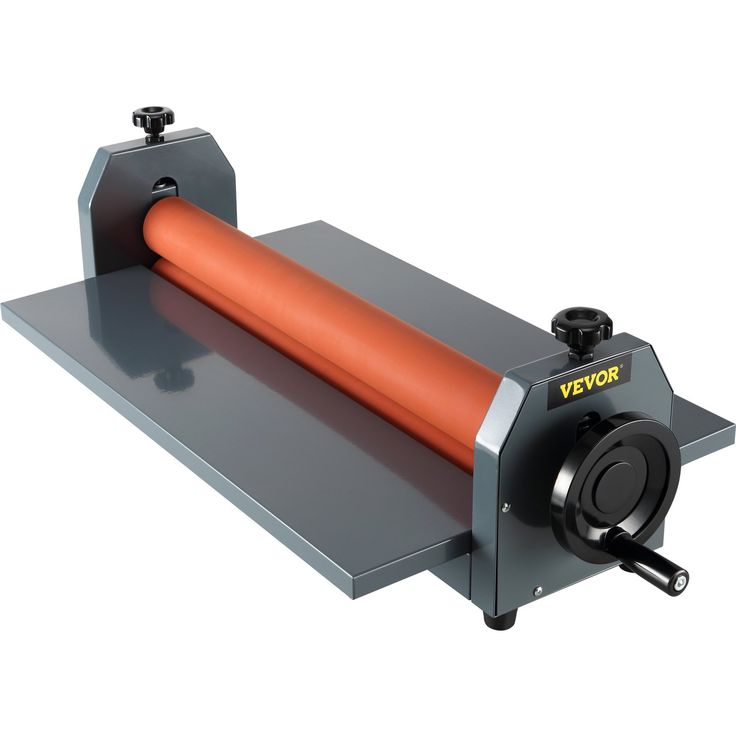
Thermal lamination requires proper temperature, pressure, and speed calibration for specific film and substrate combinations. Insufficient heat produces poor adhesion and bubbling; excessive heat damages substrates or causes curling. Professional equipment with precise controls ensures consistent results.
Pressure-sensitive application demands clean, smooth application surfaces and proper technique to avoid bubbles and wrinkles. Large format applications may require wet application techniques using soapy water allowing repositioning before final adhesion.
Quality verification includes adhesion testing (attempting to peel film from edges), clarity inspection (no haze or orange peel texture), and dimensional stability (flatness without curling). Reject jobs failing these criteria—compromised lamination fails to protect and appears unprofessional.
Luna Graphics provides comprehensive lamination services across all methods and materials. Our technical team recommends optimal protection strategies based on your specific application requirements, durability needs, and budget constraints. Contact us for samples showing different lamination options and project-specific quotations.
Written by Ian Love
Marketing Director
Professional contributor at Luna Graphics specializing in printing and branding solutions.