
The Creator Economy Meets Physical Product
Kenya's influencer economy—spanning Instagram personalities, YouTube creators, TikTok stars, and podcasters—has matured beyond sponsored content into direct monetization through personal branded merchandise. Physical products (apparel, accessories, stationery) offer creators: revenue diversification (reducing platform dependency); fan relationship deepening (tangible connection to creator); brand extension (values expression beyond digital content); and community building (identification among fans). However, merchandise success requires strategic product selection, quality production, and e-commerce fulfillment—capabilities distinct from content creation.
The Kenyan market presents unique opportunities and challenges: growing middle class with discretionary spending; mobile money enabling frictionless payment; limited local merchandise infrastructure requiring import or specialized local production; and logistics complexity for nationwide distribution.
Product Selection and Brand Alignment
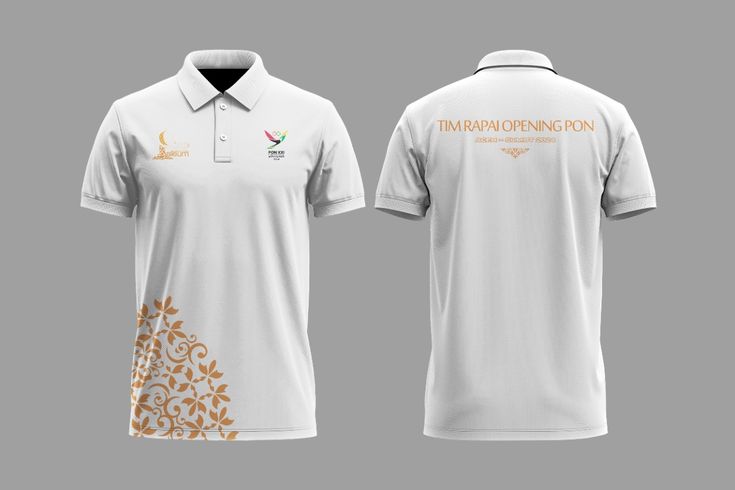
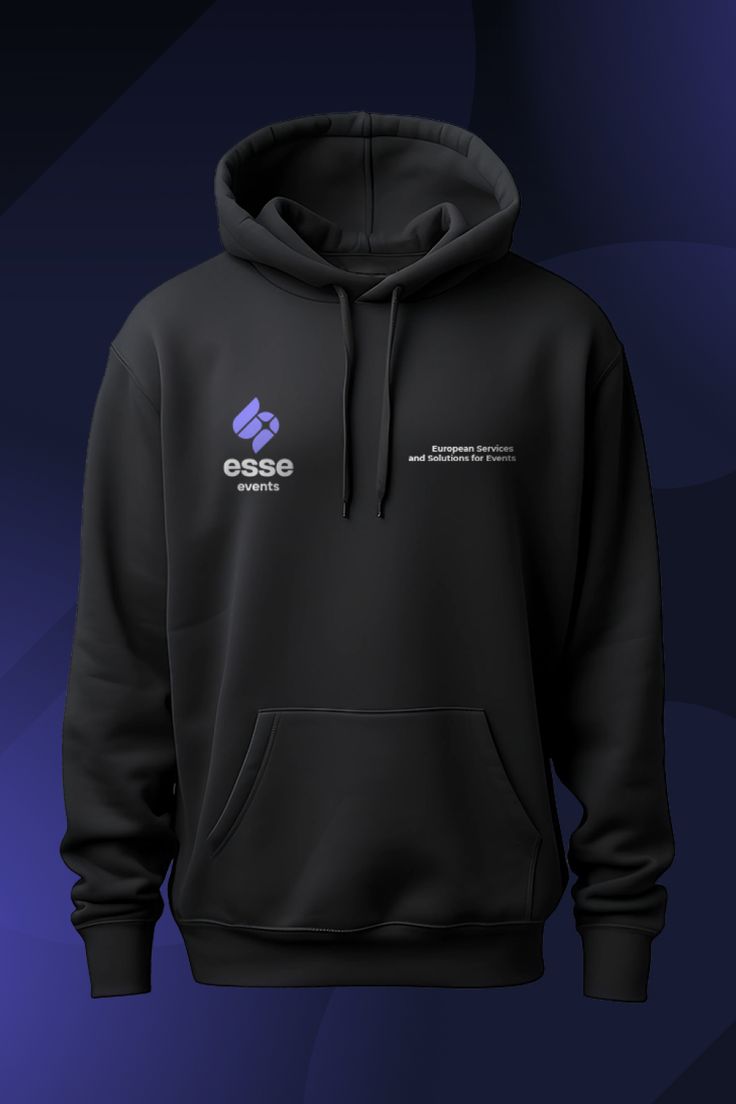
Effective influencer merchandise aligns with creator brand and audience demographics: apparel (t-shirts, hoodies, caps) with catchphrases, logos, or inside jokes; accessories (phone cases, tote bags, stickers) for daily brand visibility; premium items (signed prints, limited editions) for superfans; and utilitarian products (mugs, notebooks, water bottles) integrating into routines. Product selection considers audience age, interests, and spending power—student audiences favor affordable items; professional followers purchase premium goods.
Brand fit is critical—comedy creators sell humorous, conversational items; fitness influencers offer performance wear; business coaches provide professional accessories; and lifestyle creators curate aesthetic products. Inauthentic merchandise (unrelated to content themes) fails regardless of follower count.
| Merchandise Category | Price Point (KES) | Production Complexity | Margin Potential | Best For |
|---|---|---|---|---|
| T-Shirts | 1,500-3,500 | Low (screen print) | Medium (40-60%) | Broad audience, catchphrases |
| Hoodies | 3,500-7,000 | Medium (embroidery option) | High (50-70%) | Premium fans, climate appropriate |
| Phone Cases | 1,000-2,500 | Low (UV print) | Medium (50-60%) | Tech-savvy audience, daily visibility |
| Tote Bags | 800-2,000 | Low (screen print) | Medium (40-50%) | Eco-conscious, urban audience |
| Mugs | 1,000-2,000 | Low (sublimation) | High (60-70%) | Utility, gift market |
| Stickers/Pins | 200-500 | Very Low | Very High (70-80%) | Entry price point, collectibles |
| Notebooks | 800-1,500 | Medium (foil, emboss) | Medium (50-60%) | Professional audience, B2B creators |
| Limited Prints | 2,000-10,000 | High (signing, numbering) | High (60-75%) | Art creators, superfans |
| Custom Accessories | 1,500-5,000 | Medium-High | Variable | Unique brand extensions |
Design and Production Quality
Influencer merchandise quality directly impacts creator reputation—cheap, poorly printed items damage brand equity despite profit margins. Design standards: vector artwork ensuring print clarity; color consistency across production batches; and material quality (fabric weight, print durability, construction). Kenyan production options include local screen printers (short runs, quick turnaround), digital print shops (full-color, photographic), and international fulfillment (Printful, Teespring) with longer shipping but global reach.
Pre-production sampling is essential—approving physical samples before bulk production prevents costly errors. Quality control checkpoints: print registration, color accuracy, sizing consistency, and construction inspection.
E-Commerce and Fulfillment Infrastructure
Merchandise sales require e-commerce platforms: Instagram Shopping (native integration for eligible accounts); standalone websites (Shopify, WooCommerce with M-Pesa integration); WhatsApp Business (catalog feature for direct sales); and marketplace listings (Jumia, Killimall). Payment processing must include M-Pesa (dominant in Kenya), card payments, and potentially international options (PayPal, Stripe) for diaspora fans.
Fulfillment options: self-fulfillment (inventory storage, packing, shipping) maintaining control but requiring space and time; third-party logistics (3PL) providers handling warehousing and delivery; and print-on-demand (POD) eliminating inventory risk but with lower margins and longer delivery times. Hybrid approaches—POD for testing designs, bulk inventory for proven sellers—optimize risk and margin.
Launch Strategy and Fan Engagement
Merchandise launches require content strategy: teaser campaigns building anticipation; behind-the-scenes production content humanizing the process; unboxing videos demonstrating product quality; and user-generated content campaigns (fans posting merchandise photos) extending organic reach. Limited editions and drops (time-limited availability) create urgency; pre-orders gauge demand before production commitment.
Pricing psychology—anchoring against premium brands, bundle offers (shirt + sticker), and free shipping thresholds—increases average order value. Exclusive designs for email subscribers or Patreon supporters reward loyalty.
Legal and Financial Considerations
Creator merchandise businesses require formal structure: business registration (sole proprietorship or limited company); tax compliance (VAT registration if threshold exceeded, income tax reporting); and intellectual property protection (trademark registration for catchphrases, logo elements). Contractual clarity with manufacturers—ownership of designs, quality standards, delivery terms—prevents disputes.
Financial management: inventory accounting (cost of goods sold, valuation); cash flow planning (production payment before sales revenue); and profitability analysis by SKU informing future product development. Many creators underestimate true costs (storage, packaging, returns, platform fees) pricing too aggressively.
Analytics and Iteration
Merchandise strategy requires data analysis: sales velocity by design and product type; customer acquisition cost (advertising spend per sale); repeat purchase rates indicating product satisfaction; and geographic sales patterns informing targeted marketing. A/B testing designs, pricing, and messaging optimizes conversion.
Product lifecycle management—retiring slow sellers, doubling down on winners, and seasonal rotations—maintains catalog freshness. Fan feedback integration (polls, comment analysis) ensures merchandise remains relevant to evolving audience interests.
Conclusion: From Content to Commerce
Influencer merchandise represents evolution from content creator to entrepreneur, requiring new capabilities in product development, operations, and customer service. For Kenyan creators with engaged audiences, physical products offer sustainable monetization and deeper fan relationships.
Luna Graphics partners with Kenyan influencers providing merchandise strategy, quality production, and fulfillment support. We understand creator brand sensitivity and fan expectations, delivering products that enhance rather than exploit audience relationships. Contact our creator economy team to discuss merchandise strategy.
Written by Ian Love
Marketing Director
Professional contributor at Luna Graphics specializing in printing and branding solutions.