
Accessible Entry into Apparel Decoration
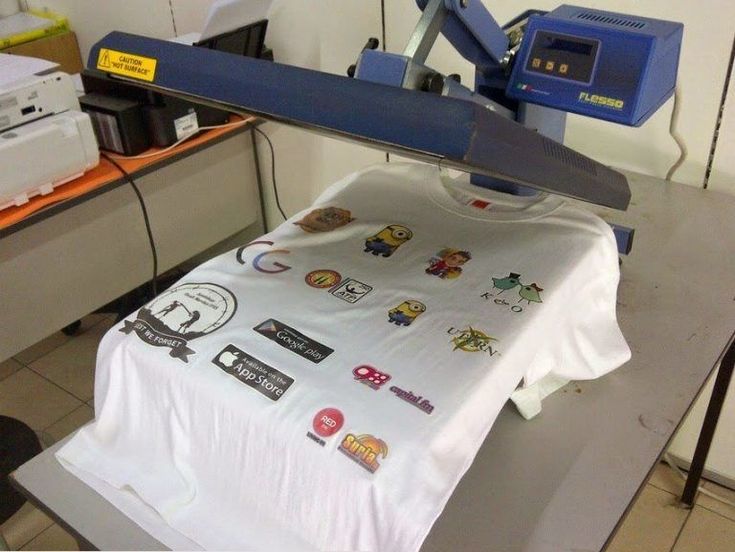
Heat transfer printing provides the most accessible entry point for entrepreneurs entering custom apparel decoration, requiring lower capital investment than screen printing or direct-to-garment systems while offering professional results for appropriate applications. For Kenyan small businesses, solopreneurs, and side-hustle operators, heat transfer technology enables immediate market entry with scalable growth pathways.
The technology encompasses multiple methods—vinyl cutting, digital transfer printing, and sublimation—all utilizing heat and pressure to bond graphics to garments. Understanding each method's characteristics, limitations, and optimal applications enables strategic business development and customer satisfaction.
Heat Transfer Vinyl (HTV) Fundamentals
Heat transfer vinyl involves cutting designs from colored vinyl sheets using electronic cutters (vinyl plotters), weeding excess material, and heat-pressing the remaining design onto garments. This method produces durable, opaque graphics with distinctive tactile presence and excellent color saturation.
Equipment requirements are modest: a desktop vinyl cutter (KES 50,000-150,000), heat press (KES 30,000-80,000), and computer with design software. This investment is accessible compared to screen printing setups (KES 300,000+) or DTG printers (KES 500,000+), enabling business launch without major capital requirements.
HTV materials include standard polyurethane (PU) vinyl for general applications, polyvinyl chloride (PVC) vinyl for economy, specialty finishes including metallic, glitter, flock (velvet texture), and holographic effects. Material selection dramatically affects appearance and pricing, enabling tiered product offerings from basic to premium.
The method suits simple designs—logos, text, numbers—with limited colors. Each color requires separate cutting and application, making multi-color designs labor-intensive. However, for sports uniforms, corporate workwear, and promotional apparel with simple graphics, HTV delivers excellent results efficiently.
Digital Heat Transfer Printing
Digital heat transfer—also called plastisol transfers or digital transfers—prints full-color designs onto special transfer paper using modified inkjet or laser printers, then heat-presses these onto garments. This method enables photorealistic imagery, gradients, and unlimited colors without the labor of multi-layer vinyl.
Two primary technologies serve different markets: inkjet transfers using standard printers with special inks and papers, producing short-run full-color capability at low equipment cost; and plastisol transfers using screen-printed transfer sheets produced by specialized suppliers, offering screen-print quality with heat-press application convenience.
Inkjet transfer systems (KES 40,000-100,000 for printer and heat press) enable immediate full-color capability for small businesses. However, print durability and wash resistance lag behind other methods—suitable for promotional or occasional-wear items rather than daily-use workwear.
Plastisol transfers provide professional durability through screen-printed transfers ordered from suppliers. Small businesses can offer screen-print quality without screen-making equipment or cleanup, ordering transfers as needed for specific jobs. This hybrid model reduces inventory and capital requirements while delivering professional results.
Sublimation for Polyester Apparel
Dye-sublimation heat transfer produces permanent, full-color decoration on polyester garments and hard substrates. The process prints designs onto transfer paper using sublimation inks, then heat-presses (typically 200°C for 60 seconds) to transfer dyes into polyester fibers.
Sublimation requires polyester content—100% polyester provides best results, though 65%+ blends accept decoration with some quality compromise. This limitation restricts natural fiber applications but enables exceptional results on performance wear, promotional polyester shirts, and hard substrates (mugs, phone cases, etc.) with polymer coatings.
The method produces decoration that is permanent, breathable, and stretchable—superior to vinyl for athletic and performance applications. Sublimation also enables all-over printing covering entire garment surfaces, impossible with vinyl or screen printing methods.
Equipment investment includes sublimation printer (KES 80,000-200,000), heat press (KES 50,000-150,000 for flat presses; mug presses for hard substrates), and computer. Sublimation suits businesses targeting sports teams, corporate performance wear, or personalized gift markets.
Business Model Development
Market positioning should reflect method capabilities and limitations. HTV businesses excel at team uniforms, workwear, and simple promotional apparel with fast turnaround. Sublimation specialists target sports markets, all-over printed fashion, and personalized gifts. Digital transfer operations serve event markets requiring photorealistic imagery on small quantities.
Pricing strategies must account for labor intensity. HTV multi-color designs require significant weeding and layering time that must be priced accordingly. Many successful operators price by color count—base price plus per-color upcharges—to reflect actual labor. Digital transfers command premiums for full-color capability without color surcharges.
Minimum order quantities balance efficiency against market demand. While equipment enables single-piece production, setup time for small orders reduces profitability. Many operators establish minimums (6-12 pieces for HTV, 1 piece for sublimation) or charge setup fees for smaller orders.
Value-added services differentiate commodity decoration businesses. Design assistance, garment sourcing, folding/polybagging, and fulfillment services increase revenue per order while building customer relationships. Some operators develop proprietary design templates or niche specializations (schools, churches, corporate) reducing price competition.
Operational Excellence
Quality control ensures customer satisfaction and repeat business. Proper heat press temperature, pressure, and timing are critical—under-application causes peeling; over-application scorches garments or damages vinyl. Invest in quality heat presses with accurate temperature control and even pressure distribution.
Garment preparation affects results. Moisture in garments causes sublimation ghosting or vinyl adhesion failure. Pre-pressing garments for 3-5 seconds before application removes moisture and preheats fabric. Proper positioning using alignment tools ensures professional appearance.
Inventory management balances availability against capital tie-up. HTV businesses stock common colors (white, black, red, navy, yellow) and specialty materials ordered per-job. Sublimation operations require transfer paper and ink inventory but no garment stock if using print-on-demand models.
Workflow optimization increases throughput and profitability. Batch cutting by color, organizing weeding stations, and scheduling heat press operations minimize downtime. Some operators invest in multiple heat presses as volume grows, creating production lines with specialized stations.
Marketing and Customer Acquisition
Local market development targets schools, churches, sports teams, and small businesses requiring branded apparel. Personal networking, sample distribution, and community involvement generate initial customers. Social media showcasing finished products builds awareness and demonstrates capability.
Online sales channels extend reach beyond local geography. E-commerce platforms, social media shops, and marketplace listings enable national customer base. However, shipping logistics and remote customer service require systems development.
Corporate and institutional contracts provide stable revenue streams. Schools requiring annual uniform supplies, companies with ongoing workwear needs, or event organizers with recurring programs offer predictable business. Relationship development and consistent quality secure these accounts against competitors.
Growth Pathways and Scaling
Equipment upgrades expand capability as revenue permits. Additional heat presses increase capacity; larger vinyl cutters handle bigger designs; automatic weeding tools reduce labor; direct-to-garment printers eventually replace heat transfer for cotton applications at sufficient volume.
Staff development enables business growth beyond owner-operator limits. Training employees in design, production, and customer service creates scalable enterprise. Some successful operators develop franchise or licensing models expanding brand presence.
Vertical integration—adding garment decoration, embroidery, or promotional products—increases customer lifetime value. Clients ordering printed shirts may also need caps, bags, or corporate gifts. Comprehensive service reduces customer procurement effort and increases account stickiness.
Luna Graphics supports small apparel decoration businesses through wholesale supply, technical training, and contract overflow services. We provide quality heat transfer materials, equipment guidance, and production partnership for orders exceeding small business capacity. Contact our trade services team to discuss how we can support your apparel decoration business growth.
Written by Ian Love
Marketing Director
Professional contributor at Luna Graphics specializing in printing and branding solutions.