
Floor Graphics Applications
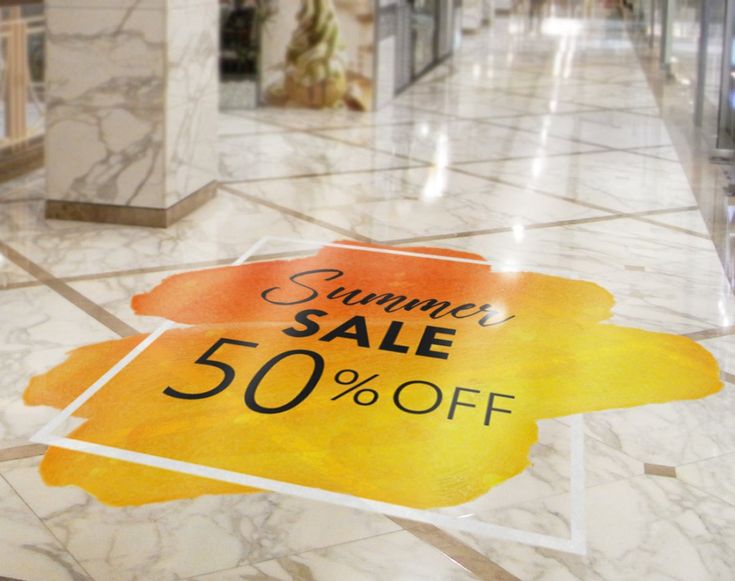
Floor graphics convert underutilized horizontal surfaces into communication channels for wayfinding, promotion, branding, and safety messaging. Unlike wall or hanging graphics competing for attention in crowded visual environments, floor graphics occupy unique visual territory capturing attention through novelty and strategic placement. Applications span retail environments, exhibitions, events, transportation hubs, and industrial facilities.
Wayfinding represents primary functional application. Directional arrows, path marking, and zone identification guide pedestrian flow efficiently. Hospitals, airports, museums, and large retail stores utilize floor graphics reducing confusion and improving visitor experience. Color-coded paths distinguish destinations or user types (employees vs. visitors).
Promotional messaging leverages high-traffic areas for impulse influence. Retail floor graphics at entry points set shopping moods; aisle markers highlight promotions; point-of-sale floor reminders encourage add-on purchases. Event applications include sponsor recognition, directional guidance, and brand immersion.
Safety and compliance messaging utilizes floor graphics for hazard warnings, social distancing markers, evacuation routes, and regulatory compliance. Industrial applications mark pedestrian walkways, vehicle lanes, and equipment zones. These applications require specific material certifications ensuring slip resistance and durability.
Material Specifications and Safety Standards
Slip resistance represents the critical material requirement for floor graphics. Standards vary by jurisdiction; common references include ASTM D2047 (American), DIN 51130 (German), and Pendulum Test Values (PTV) measuring dynamic friction coefficients. Materials should achieve Class R9 or higher slip resistance ratings for general pedestrian areas, R10-R11 for wet environments, and R12-R13 for industrial applications.
Achieving slip resistance while maintaining print quality requires specialized overlaminate textures. Common finishes include: fine grit (sandpaper-like texture) providing maximum slip resistance with some image softening; embossed patterns creating friction through surface topology; and clear abrasive particles suspended in laminate providing transparency with traction.
Substrate options include: vinyl with aggressive permanent adhesive for smooth floors (tile, sealed concrete, linoleum); textured vinyl conforming to slightly irregular surfaces; and rigid materials (aluminum, plastic) with anti-slip coatings for heavy industrial use.
Durability specifications address abrasion resistance. Floor graphics endure mechanical wear from foot traffic, cleaning equipment, and rolling loads. Wear layer thickness (typically 0.25-0.5mm for commercial applications) determines lifespan. High-traffic retail environments may require replacement every 3-6 months; corporate lobbies achieve 1-2 year lifespans.
Design Principles for Floor Graphics
Viewing angle fundamentally differs from wall graphics—floor graphics viewed from above at walking height. This perspective requires design adaptation: text must be readable from standing position (not requiring bending); imagery should orient properly for approach direction; and scale must suit anticipated viewing distance.
Traffic flow analysis determines optimal placement and messaging. Entry areas capture attention when shoppers are receptive; path intersections provide decision-point influence; queue areas offer dwell-time for message absorption. Avoid placement in high-congestion areas creating trip hazards or rapid wear.
Color and contrast requirements differ from wall applications. Floors often feature neutral tones; graphics must contrast sufficiently for visibility while complementing interior design. Dark floors suit light graphics; light floors accommodate darker designs. Consider soiling—light colors show dirt rapidly in high-traffic areas.
Durability design includes avoiding fine details wearing away quickly; using bold shapes maintaining recognition even as surface abrades; and designing for graceful degradation rather than catastrophic failure.
Installation and Surface Preparation
Surface preparation ensures adhesion and longevity. Floors must be clean, dry, and free of wax, polish, or sealants interfering with adhesive bond. New concrete requires 30-day curing minimum; painted surfaces need proper adhesion testing. Porcelain tile and sealed concrete provide optimal substrates.
Installation environment requires temperature stability (15-30°C) and low humidity. Wet or humid conditions prevent proper adhesive activation. High-traffic areas may require installation during closed hours ensuring initial bond strength before traffic exposure.
Application technique involves: precise layout and alignment; gradual release of liner preventing bubble formation; firm squeegee pressure ensuring full contact; and edge sealing preventing moisture infiltration. Large graphics require paneling with tight seams.
Protection during curing (24-48 hours) ensures maximum adhesion. Restrict traffic; if impossible, apply temporary protective films removable after curing.
Durability and Maintenance
Cleaning protocols affect lifespan. Daily dust mopping prevents abrasive particle accumulation. Wet cleaning with neutral pH cleaners maintains appearance; harsh chemicals attack adhesives and overlaminates. Avoid abrasive scrubbing or high-speed buffing directly over graphics.
Wear pattern monitoring enables timely replacement before safety compromise or brand damage. High-traffic zones show accelerated wear; rotating graphic placement if possible extends overall campaign life. Keep replacement graphics in inventory for immediate swap-out.
Removal requires heat application softening adhesive for clean release. Residue removal utilizes appropriate solvents without floor damage. Surface restoration (waxing, sealing) follows graphic removal preparing for new applications.
Specialized Applications
Stair graphics provide riser branding and safety marking. These applications require specific materials conforming to vertical surfaces and tread edges. Anti-slip properties critical given fall risk.
Dance floor graphics create event-specific branding for weddings, corporate functions, and parties. Temporary materials remove cleanly post-event without venue damage. Reflective or metallic effects enhance photographic appeal.
Sports court graphics mark boundaries, logos, and sponsorships on hardwood, synthetic, or rubber surfaces. Specialized materials withstand athletic shoe abrasion and ball impact while maintaining playability.
Cost and ROI Considerations
Floor graphic pricing ranges KES 2,500-5,000 per square meter including slip-resistant overlaminate, varying by material grade and complexity. Installation on prepared surfaces adds KES 500-1,000/sqm; surface preparation (stripping, cleaning) incurs additional costs.
Short lifespans (3-12 months typical) require cost-per-impression analysis rather than durability-focused evaluation. High-traffic retail environments generate millions of impressions justifying replacement costs. Safety and wayfinding applications provide liability reduction value beyond marketing ROI.
Luna Graphics produces certified slip-resistant floor graphics meeting international safety standards. Our material specifications address specific traffic levels and environmental conditions. Professional installation ensures proper adhesion and longevity. Contact our specialists for floor graphic solutions enhancing your spaces.
Written by Ian Love
Marketing Director
Professional contributor at Luna Graphics specializing in printing and branding solutions.