
Technology Fundamentals
Eco-solvent and latex printing represent the dominant ink technologies for roll-fed large format production, each with distinct chemical compositions, environmental profiles, and application characteristics. Understanding these differences enables informed selection matching project requirements to optimal technology.
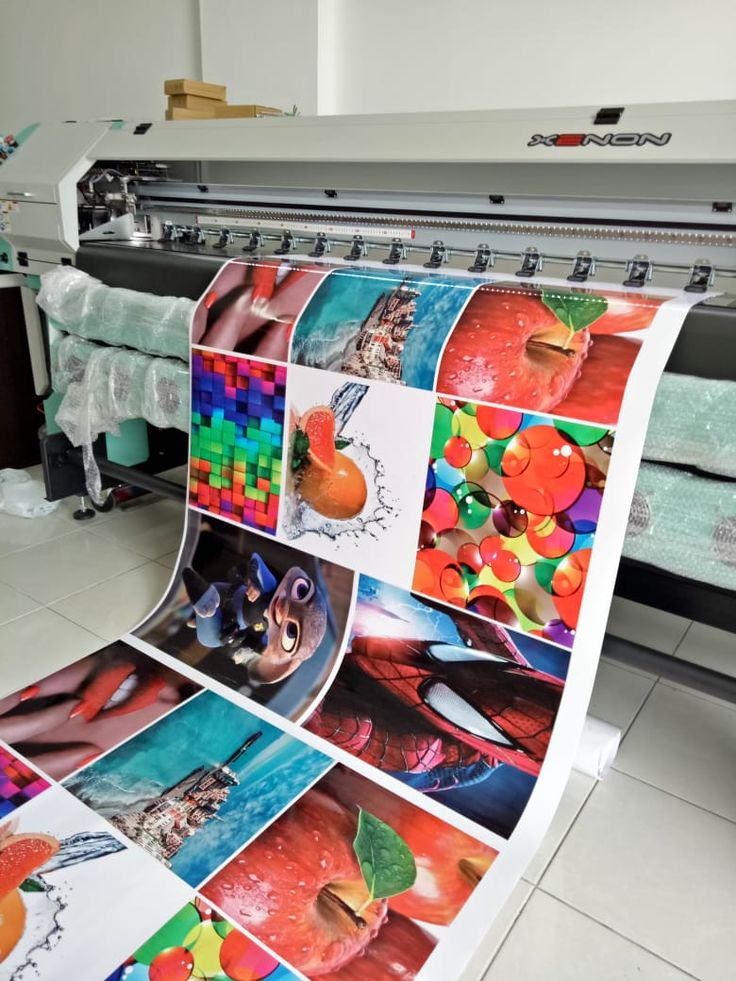
Eco-solvent inks contain glycol esters and alcohol solvents penetrating vinyl substrates, chemically bonding pigments within the material. Curing occurs through solvent evaporation, requiring ventilation and outgassing periods before finishing [^5^].
Latex inks are water-based formulations containing polymer latex particles. Heat curing (100-120°C) evaporates water and melts latex particles into continuous films encapsulating pigments. This thermal process eliminates solvent emissions and enables immediate finishing [^5^].
Environmental and Safety Profiles
Eco-solvent printing requires ventilation systems removing volatile organic compounds (VOCs) during printing and curing. While "eco" designation indicates reduced hazard compared to aggressive solvent inks, these systems still emit compounds requiring management. Outgassing periods (24-48 hours typical) delay finishing and installation.
Latex printing offers significant environmental advantages: water-based chemistry eliminates hazardous emissions; no outgassing period enables immediate lamination and installation; and odorless output suits indoor, occupied environments including hospitals and schools. HP Latex printers meet stringent environmental certifications including GREENGUARD Gold [^5^].
Energy consumption differs—latex curing requires substantial heat (affecting operating costs), while eco-solvent relies on passive evaporation. However, latex eliminates ventilation energy costs and enables production in climate-controlled environments without specialized exhaust.
Application Suitability
Substrate compatibility varies by technology. Eco-solvent excels on: coated vinyls (banner, adhesive); uncoated papers; and certain textiles. The solvent action softens coatings enabling pigment penetration and mechanical bonding.
Latex printing accommodates: coated and uncoated vinyls; papers and card stocks; textiles; and wall coverings. Water-based chemistry requires compatible coatings but offers broader uncoated material compatibility than eco-solvent. Latex particularly suits porous, heat-tolerant materials [^5^].
Outdoor durability is comparable—both technologies achieve 3-5 year lifespans with appropriate materials and overlaminates. Eco-solvent may show slight advantage in extreme chemical exposure (fuels, solvents); latex excels in scratch resistance due to hard latex film.
Production Workflow Differences
Turnaround time favors latex—immediate curing enables same-day finishing and installation. Eco-solvent outgassing delays finishing 24-48 hours, extending project timelines. For urgent projects, latex provides decisive advantage.
Print quality characteristics: eco-solvent offers slightly wider color gamut on specific vinyls; latex provides more consistent gloss levels and reduced banding; both achieve photographic quality with proper profiling.
Operational considerations: eco-solvent requires periodic maintenance including wiper replacement and printhead cleaning; latex systems generally require less maintenance but generate heat affecting printhead longevity.
Cost Analysis
Equipment investment: comparable mid-range systems (KES 2-5 million); high-production latex systems command premiums.
Consumable costs: latex ink typically 20-30% higher per liter than eco-solvent; however, latex eliminates ventilation and waste disposal costs. Total operating costs often favor latex for high-volume operations.
Application-specific economics: eco-solvent suits outdoor specialty applications; latex provides versatility across indoor/outdoor with single system investment.
Selection Guidelines
Choose eco-solvent for: maximum outdoor durability in harsh chemical environments; specific uncoated vinyls incompatible with latex; and existing infrastructure investment.
Choose latex for: indoor applications requiring odorless output; rapid turnaround requirements; environmental compliance priorities; and broad substrate versatility needs.
Luna Graphics operates both eco-solvent and HP Latex production systems, selecting optimal technology per project requirements. Our latex capabilities serve environmentally sensitive applications; eco-solvent addresses specialized durability needs. Contact our technical team for technology-specific recommendations.
Written by Ian Love
Marketing Director
Professional contributor at Luna Graphics specializing in printing and branding solutions.